After the House of Representatives election held on March 5 reduced the CPN-UML to just 25 seats, a debate has emerged within the party regarding the need to appoint a youth as the parliamentary party leader.
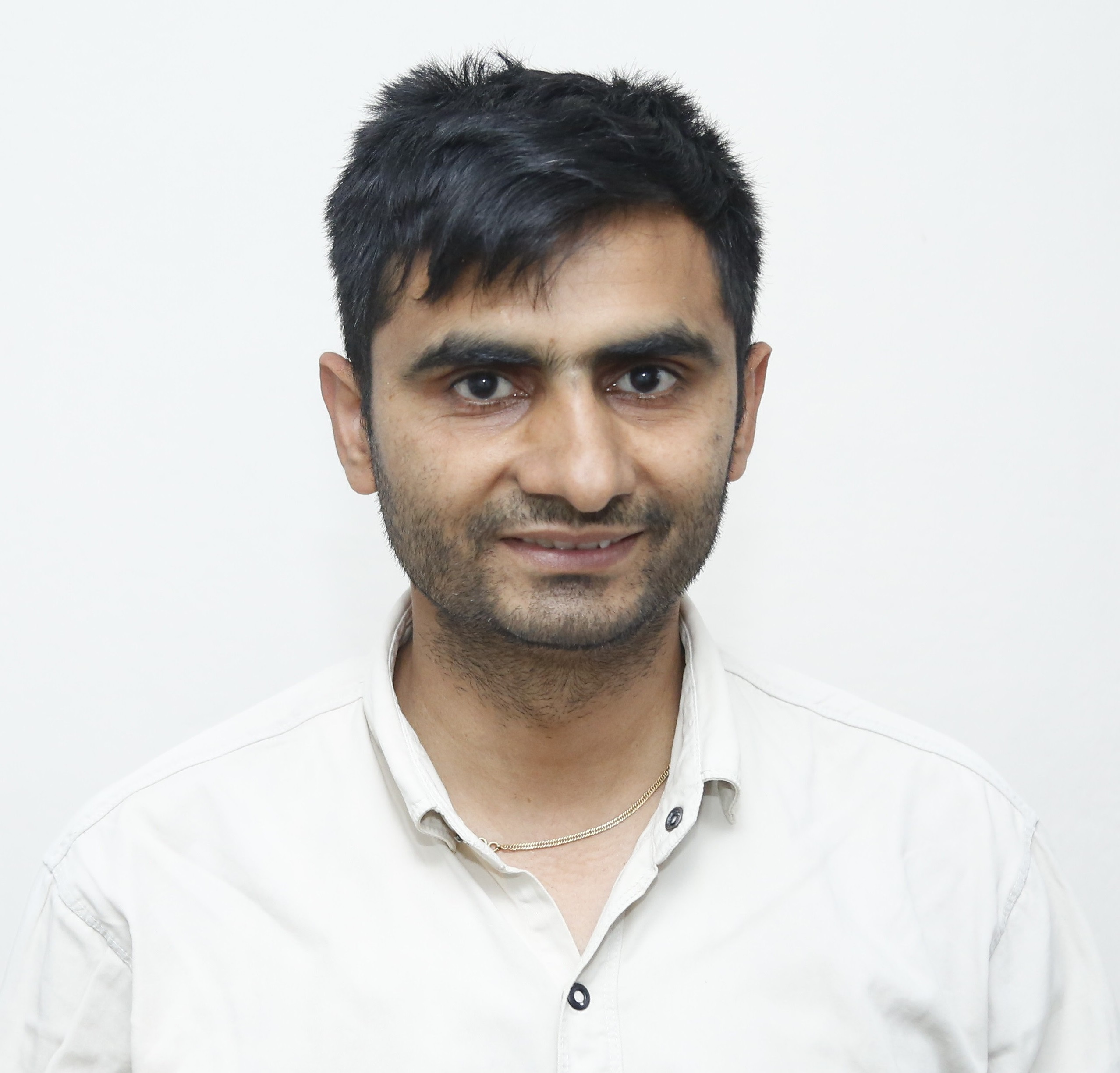
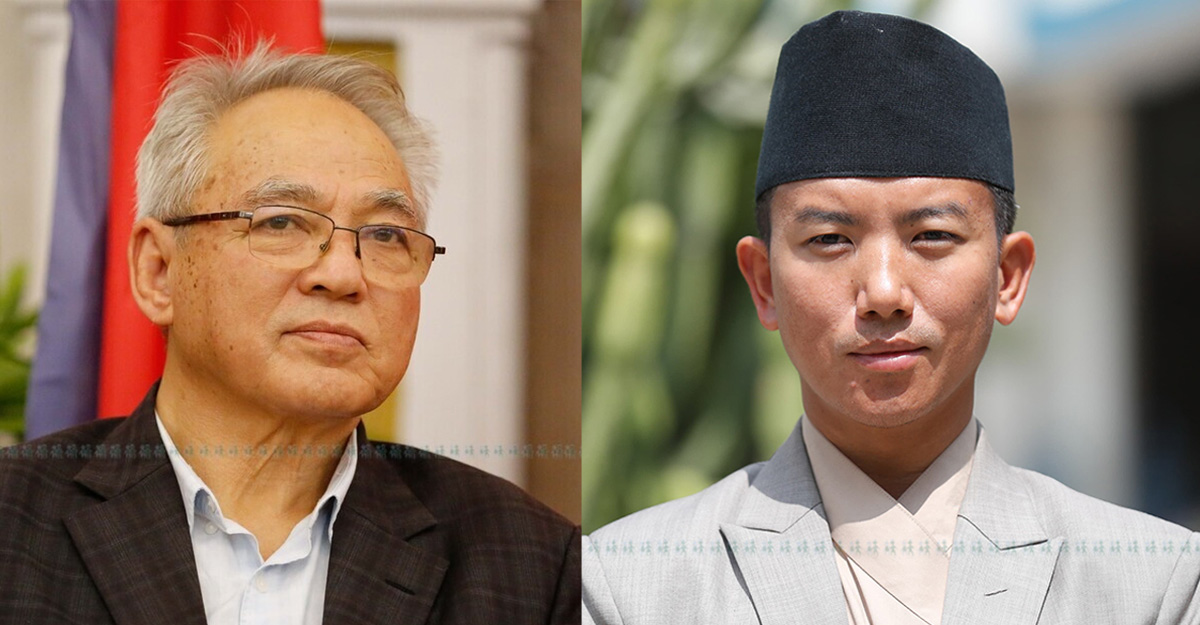
Among the UML lawmakers who were elected under the first-past-the-post (FPTP) system, three are young faces – Kshitij Thebe from Taplejung, Ain Mahar from Bajhang, and Suhang Nembang from Ilam-2. Some leaders argue that one of them should be made the parliamentary party leader. Additionally, proportional representation lawmaker Padma Aryal is also being discussed for the role.
In the election, 11 party office-bearers, including Chairman KP Sharma Oli, contested under the FPTP system, but none of them won.
Those who lost include Oli himself, Vice-chairmen Bishnu Paudel, Prithvi Subba Gurung, and Gokarna Bista; General Secretary Shankar Pokharel; Deputy General Secretaries Lekhraj Bhatta and Raghubir Mahaseth; and Secretaries Sherdhan Rai, Rajan Bhattarai, Bhanubhakta Dhakal, and Mahesh Basnet.
Former office-bearers Ishwar Pokharel and Pradeep Gyawali were also defeated.
This time, first-ranked Vice-chairman Ram Bahadur Thapa and Secretary Padma Aryal have become lawmakers through proportional representation. Former vice-chairman Guru Baral has also entered Parliament.
Among those directly elected, Rajendra Rai from Dhankuta and Ganesh Singh Thagunna from Darchula are senior leaders.
Chairman Oli is currently in mourning following the death of his father, Mohan Prasad Oli. Due to this, no discussions have yet taken place regarding the selection of the parliamentary party leader, according to Secretary Aryal.
“The chairman has not yet come out of mourning. Maybe this will be discussed only after that. Immediately after lawmakers take their oath, we will hold a party meeting and select the leader,” she said.
According to UML leaders, Oli wants to make Vice-chairman Thapa the parliamentary party leader. Thapa is among the senior leaders from the former Maoist camp who stood by Oli after the Parliament dissolution on December 20, 2020.
Thapa had also secured popular votes in the last general convention, and Oli is pushing for his selection as the parliamentary party leader.
However, voices are rising with the UML rank and file arguing that since the latest election results also sent a message of generational shift in politics, the party should respect that.
“After the election results, a significant number of young faces have entered Parliament. Balen Shah is set to become prime minister from the Rastriya Swatantra Party. We believe that in this environment of political generational shift, the UML should also send a similar message,” a newly-elected UML lawmaker told Setopati.
Among the UML’s 25 lawmakers, five are aged 40 or below: Kshitij Thebe, Suhang Nembang, Yeshuda Kumari Baral, Rigala Yadav, and Yashoda Kumari. Ain Bahadur Mahar is 41. With 36-year-old Balen Shah set to become prime minister, some UML leaders argue that the party should also choose a young face, and that Suhang Nembang – who is relatively more popular among the young generation – could be a suitable candidate.
Suhang previously won a by-election following the death of former UML vice-chairman and his father, Subash Nembang.
When asked about this, Secretary Aryal said that the party is aware of the sentiment that has emerged recently.
“We are also aware of the recent sentiment. However, we have not yet reached the point of choosing the parliamentary party leader. The upcoming meeting will address it,” she said.
Ain Mahar also said that there has been no discussion yet on selecting the parliamentary party leader.
“Directly elected lawmakers are currently in their constituencies. This will probably be discussed once we return to Kathmandu,” he said.
The Parliament Secretariat has scheduled the oath-taking ceremony for newly elected lawmakers for March 26. After that, parties will proceed with selecting their parliamentary party leaders. The RSP plans to appoint Balen Shah as its parliamentary party leader the same day and have him sworn in as prime minister the following day.