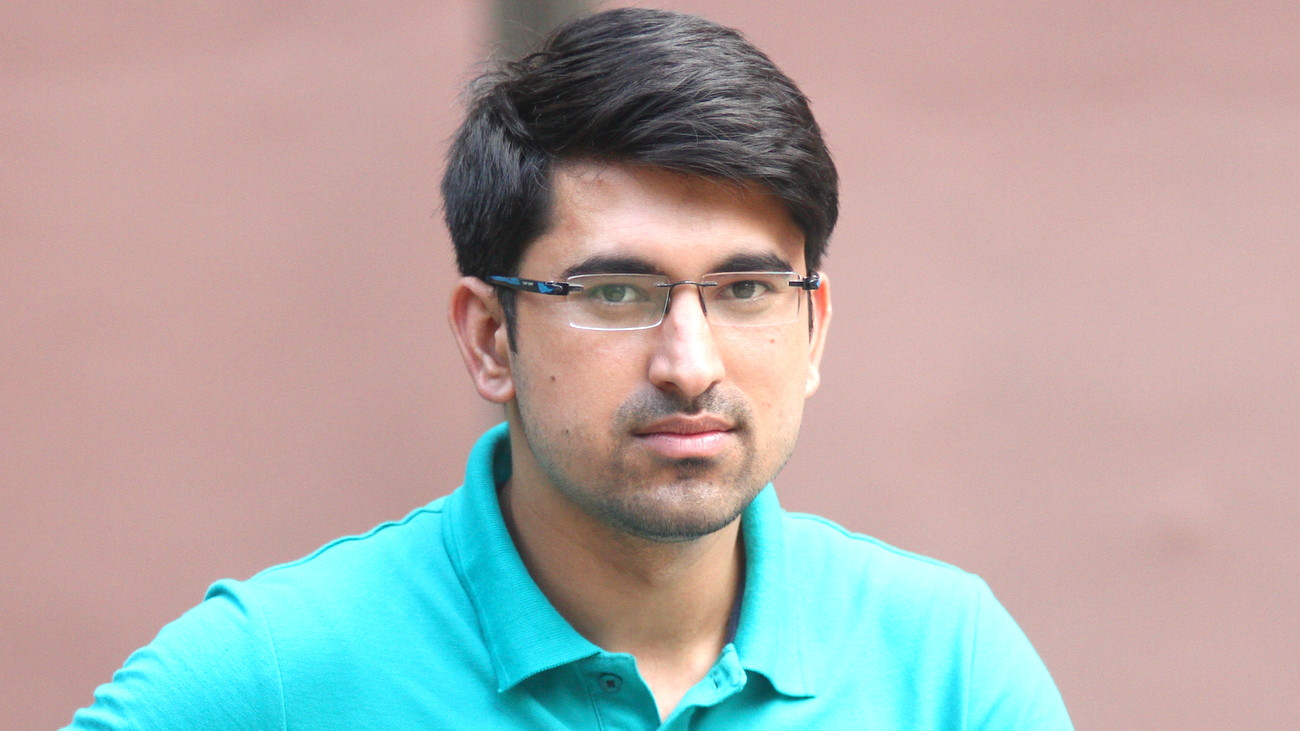
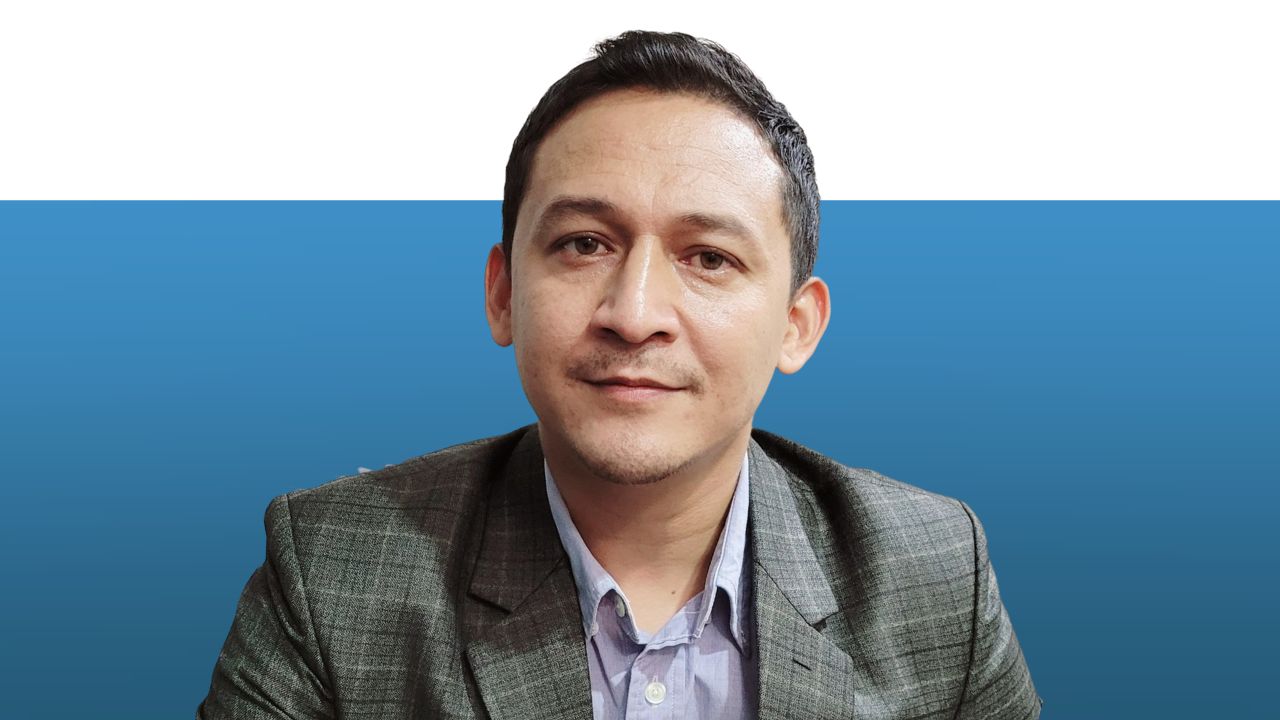
Pranaya Rana, an aspiring candidate for Kathmandu-5 from the Rastriya Swatantra Party (RSP), has stated that the party must refund Rs 25,000 collected in the name of primary elections.
RSP had collected Rs 25,000 from everyone aspiring to be candidate in the first-past-the-post (FPTP) system. Similarly, Rs 50,000 was collected from those aspiring to be candidates under the proportional representation (PR) system.
RSP’s statute includes a provision for a primary election to select candidates through voting by party members. However, RSP did not conduct primary elections when selecting candidates for the FPTP system. Even in the PR system, many who received higher votes were sidelined.
Posting a video on the social media platform Facebook, Rana stated that if Rs 25,000 is not returned, it will be considered fraud.
RSP Vice President Swarnim Wagle had told Setopati that there were 750 aspirants for FPTP category. If all 750 aspirants paid a fee of Rs 25,000 as Rana claims, the total amount would be Rs 18,750,000.
In the video, Rana shared that he joined the RSP from Nepali Congress (NC) and had stressed during the party's national gathering that voting in the primary election should be considered final.
"I, along with all the aspiring candidates, paid Rs 25,000 to participate in the primary election," Rana said. "After a short while, we were told this method no longer exists. So, what did we pay the money for?"
In his Facebook video, he also included the views he expressed at the national gathering, where he argued that once votes are cast in a primary election, those votes must be decisive.
"Wherever voting happens in the world, it is final. One asks for votes based on education, qualification, experience, and contribution to the party. One asks for votes by saying 'this is my qualification' and 'this is what I have done'," Rana said. "This was endorsed with loud applause at the national gathering."
He further alleged that the party never made the results of the primary election held for the Rupandehi by-election public.
"There is no transparency or accountability regarding who got how many votes and how many votes were received in each category," he said. "There is also no transparency in the 2082 (BS) proportional list. There was a lot of manipulation in the final list. In the direct (FPTP) system, the method was completely ignored. That Rs 25,000 must be returned to all aspiring candidates. Otherwise, it is fraud."
He also called for a public debate regarding the party's internal democracy. "Should such serious issues be raised or not? Should there be a public debate during election time or not?" Rana questioned. "If the party does not show clear intent in its internal democratic practices and exhibits individualistic character, what will its working style be like after joining the government?"
He further accused the RSP leadership of using the primary election issue as a tool for media publicity. "The primary became a tool for RSP to gain media attention. But we couldn't experience it within the organization. Despite every effort to correct it, we couldn't," he said.
He also questioned the credibility of online voting. RSP had conducted voting among aspiring candidates through a mobile app. He argued that instead of that, a method where individuals are physically present in the constituency to vote should be adopted.
While Rana claimed to have paid Rs 25,000, RSP Lima Adhikari, stated she was unaware of any money collection. "We don't know about this, ask him yourself," Adhikari said. "The party has not collected money from anyone."