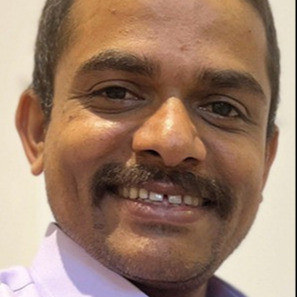
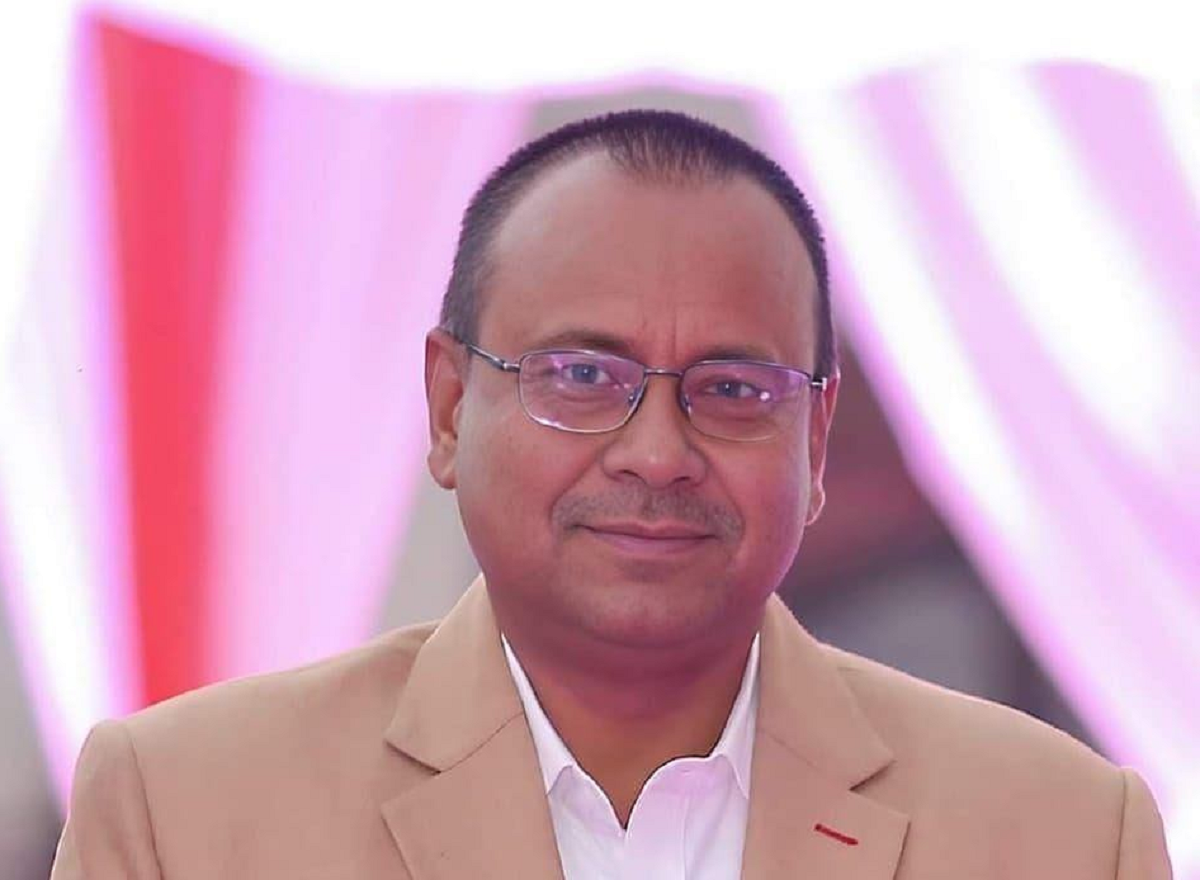
Nepali Congress (NC) parliamentary party leader Krishna Prasad Yadav has been appointed chief minister of Madhesh province.
Yadav was appointed on Friday with the support of NC and five other parties.
Province Chief Surendra Labh Karna appointed him chief minister in accordance with Article 168 (2) of the Constitution.
Article 168 (2) allows the province chief to appoint as chief minister a provincial assembly member who can secure a majority with the support of two or more parties.
Yadav is supported by a total of 77 provincial assembly members from six political parties: Nepali Congress, Janata Samajwadi Party Nepal, Janamat Party, CPN (Maoist Center), CPN (Unified Socialist), and Loktantrik Samajwadi Party Nepal.
JSP Nepal leader Manish Suman said that, although it did not sign the letter, the Nagarik Unmukti Party also supports the new chief minister.
After the resignation of previous chief minister Saroj Kumar Yadav, the province chief December 3 called for the formation of a government under Article 168 (2) of the Constitution. The deadline for submitting claims was 5 p.m. on Friday, December 5.
Shatrudhan Yadav, acting secretary of the Office of the Province Chief, confirmed that NC provincial assembly member Krishna Prasad Yadav was appointed chief minister under Article 168 (2) of the Constitution with the support of 77 lawmakers from six parties.
Since the 2022 elections, the Madhesh provincial government has remained unstable.
The province has seen four chief ministers after the Gen Z movement on September 8 and 9.
After then-chief minister Satish Kumar Singh resigned, LSP leader Jitendra Sonal became chief minister. When he was about take a vote of confidence, provincial assembly members Rahbar Ansari and Mala Karna from the Maoist Center rebelled. Sonal then resigned after the voting process began.
Thereafter, then-province chief Sumitra Subedi Bhandari appointed UML parliamentary party leader Saroj Kumar Yadav as chief minister on November 9 under Article 168 (3) as the leader of the largest party.
Responding to three writ petitions filed against his appointment, the Supreme Court ordered Yadav to take a vote of confidence within 24 hours and, if he failed, to initiate government formation process again under Article 168 (2).
A provincial assembly meeting was called for a vote of confidence, but lawmakers walked out of the meeting. Yadav then resigned as chief minister.