The Nepali Congress is set to hold its 15th general convention in accordance with the statute amended during the special general convention held in January.
The amended statute ensures the representation of youth at all levels, from the ward to the central committee.
The Gen Z movement took place in the country on September 8 and 9 last year.
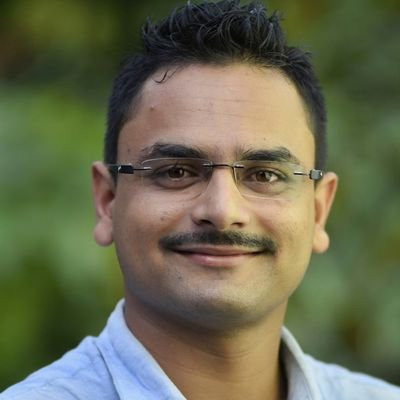
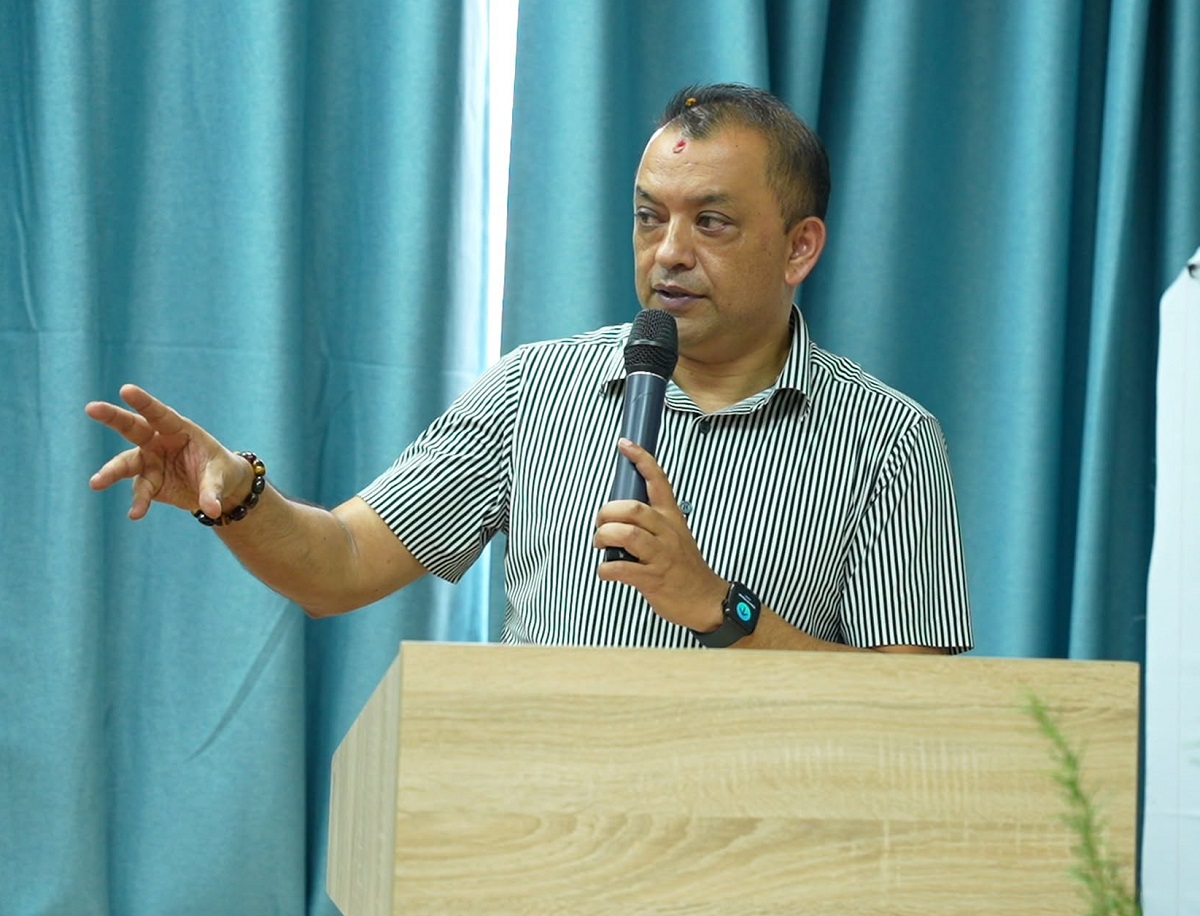
Following the movement, leaders Gagan Thapa and Bishwa Prakash Sharma launched a transformation and generational handover campaign within the Nepali Congress, holding a special general convention in January.
Thapa became party president through the special general convention. The same convention amended the statute to ensure the representation of youth under 30 years of age in every organ of the party.
Previously, youth representation was not guaranteed in the party statute.
The Nepali Congress has approximately 800,000 active members.
The ward conventions are taking place on September 19 and 20.
After completing conventions across four different levels, the 15th general convention will be held from October 2 to 5 at Khula Manch in Kathmandu.
Youth representation in ward committees and regional representatives
The ward committees comprise a president, two vice-presidents (including one female), a secretary, a joint secretary, and members elected through voting, with a treasurer nominated from among the elected members. The statute mandates that at least one youth member must be on each ward committee. The statute ensures that at least one youth under the age of 30 will be on ward committees.
One-third of the ward committees must be women, and the representation of all members must be ensured in line with the inclusive principles. Additionally, the ward conventions will elect constituency convention representatives. The same person is also allowed to serve as both a constituency convention representative and a rural municipal ward committee member.
Even rural municipal wards with fewer than 150 active members must include youth under 30 when sending constituency representatives. The statute provides that three youth, including one female under the age of 30, shall become constituency representatives through direct election.
From wards with more than 150 active members, the number of constituency representatives is higher. In such wards, within the limit of 55, for every additional 150 active members, six additional representatives – including two women and one youth – shall be directly elected.
From municipal, sub-metropolitan, and metropolitan city wards, provisions are made for two constituency representatives under 30 years of age.
Youth representation in rural municipal committees
Provisions are in place to ensure the representation of at least three youth in rural municipal working committees. According to the statute, there must be three youth representatives under the age of 30, including at least one female. Youth representation is also ensured in rural municipalities’ executive committees. The statute also ensures the representation of three youth, including one female under the age of 30, in municipal working committees.
Representation in provincial assembly constituency conventions
Youth representation is also ensured in provincial assembly constituency working committees. At least one youth under the age of 30 will serve on such committees.
Youth in central general convention representatives
The statute also guarantees the inclusion of youth among central general convention representatives. Three youth, including one female under the age of 35, will be selected as central general convention representatives. The statute has made it mandatory to ensure that 495 youth general convention representatives come from the 165 electoral constituencies, with three from each constituency.
At least 32 general convention representatives will come from a single House of Representatives constituency. The presidents of House of Representative constituency working committees and rural/municipal working committees will also be central general convention representatives. This is the first time the party has included a provision in its statute to select rural and municipal presidents as central general convention representatives.
Furthermore, central general convention representatives will themselves remain representatives for provincial conventions.
Youth in Mahasamiti
Youth under the age of 35 are also slated to be Mahasamiti members. The House of Representatives constituencies will select Mahasamiti members by holding an election among the central general convention representatives. There is a binding provision that at least one youth who has not crossed 35 years of age must be made a Mahasamiti member. There will be at least 12 Mahasamiti members in a House of Representatives constituency.
Youth representation is also mandatory in House of Representatives constituency working committees, with two youth under the age of 30, including one female, as members.
Youth in district working committees
The district working committees comprise a president, vice-president, secretary, two joint secretaries, a treasurer, and other members. According to the statute, three youth under 30, including one female, shall serve as members on such committees.
Youth representation in provincial working committees
Representatives elected from the House of Representatives constituencies will serve as representatives at the provincial working committee conventions, alongside district presidents and others from within the respective province.
Youth representation is also ensured in the provincial working committees. Seven elected members under the age of 35, including two females, will serve on the working committees, with active member youth representatives eligible to run as candidates.
Youth representation in central working committee
The general convention will elect a president, two vice-presidents, two general secretaries, and eight joint general secretaries. Additionally, the president will nominate three joint general secretaries – including one woman – from among the elected central members, bringing the total number of joint general secretaries in the Nepali Congress to 11. Provisions also exist for the president to nominate a treasurer from among the central working committee members.
Thirty-five members of the central working committee will come from direct elections. Nine members will be women elected from among general convention representatives. There will be 21 central members from the seven provinces, with three members, including one woman, from each province.
Fifty-five members will be elected from various clusters in accordance with the inclusive principles.
Seven individuals from various fields, including two women, will become central members.
Youth under the age of 35 will also serve as central members.
The statute ensures that 21 youth are made central members – two from each of the seven provinces (with one woman each) and seven from the open category – with only youth general convention representatives under 35 eligible to run as candidates.
The statute provides for six central members, with only Nepali public liaison committee general convention representatives eligible to contest.
Two central members will come from general convention representatives belonging to minority and disabled groups.
The central president is also empowered to nominate 61 central members, including youth, while keeping inclusive principles in mind.
The leader of the parliamentary party in the House of Representatives and provincial working committee presidents will remain ex-officio members of the central working committee. Previously, they were invited to central committee meetings as invitee central members.
While the previous statute included a provision stating that the person securing the second highest votes for the presidency would automatically become a member of the respective working committee, the amended statute has removed this provision.
Youth representation in central executive committee
The central executive committee will also have youth representation. The statute mandates that the president shall form the central executive committee while ensuring youth representation among its members.