The CPN-UML has decided to withdraw from the Gandaki provincial government.
A meeting of the UML Gandaki parliamentary board on Tuesday decided to recall its four ministers from the government.
The decision comes after the UML and the Nepali Communist Party (NCP) reached an agreement on power-sharing across all provinces.
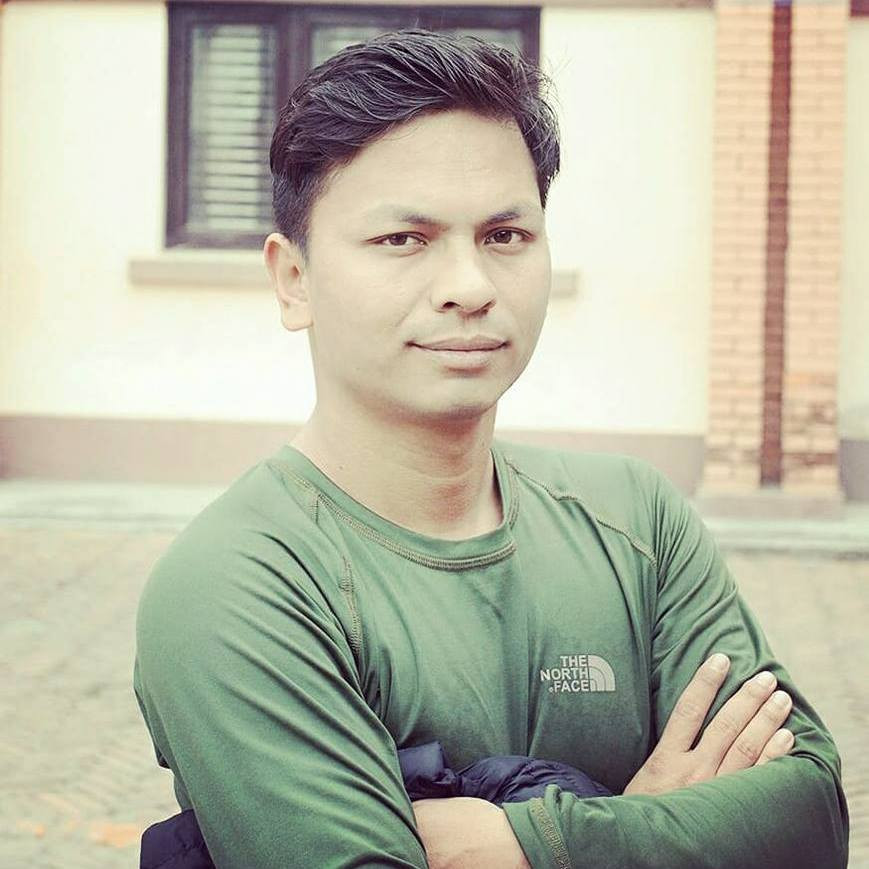
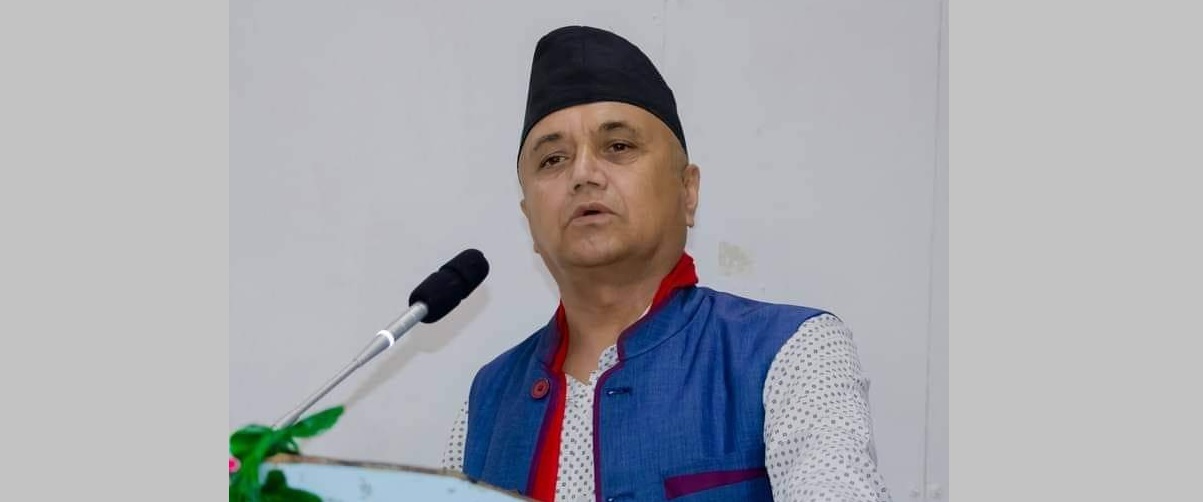
The four UML ministers in the Gandaki government are Minister for Physical Infrastructure and Transport Management Govinda Bahadur Nepali, Minister for Industry and Tourism Yashoda Rimal, Minister for Agriculture Bhim Bahadur Karki, and Minister for Health Laxman Bahadur Pandey.
UML lawmaker Sudhir Paudel said that the party decided to recall the ministers on Tuesday.
The Gandaki government was formed under the leadership of Chief Minister Surendra Raj Pandey from the Nepali Congress-UML coalition.
Nepali Congress leaders claim that despite the UML’s exit, the move will not immediately affect the government’s majority as the Rastriya Prajatantra Party (RPP) and the Baburam Bhattarai-led Nepal Samajwadi Party (NSP) continue to support the Nepali Congress-led government.
The 60-member Gandaki Provincial Assembly currently has 59 members after independent lawmaker Rajeev Gurung, popularly known as “Deepak Manange,” was removed from office.
A party needs the support of 30 lawmakers to form a government.
However, no single party has a majority in the provincial assembly.
The Nepali Congress is the largest party in Gandaki with 27 seats. To maintain its majority, the Nepali Congress-led government needs the support of two RPP lawmakers and one NSP lawmaker. Neither party has withdrawn its support to the Pandey-led government so far.
The UML has 22 seats.
To form a government under UML leadership, the party would need the support of six NCP lawmakers, excluding the speaker, as well as two RPP lawmakers.
Although the UML and NCP reached a power-sharing agreement, the RPP has not decided to support the new alliance. This has made it more difficult for UML leader Khagaraj Adhikari to become chief minister of Gandaki.
The UML-NCP alliance alone does not have enough seats to form a government, while the RPP has maintained that it will not support the new coalition for the time being.
Under an earlier agreement between the Nepali Congress and UML, Chief Minister Pandey was supposed to hand over power to UML leader Adhikari after July 16. However, the transfer of power did not take place following the emergence of a new political equation at the federal level.
After UML Chairman KP Sharma Oli and NCP Coordinator Pushpa Kamal Dahal reached an agreement on July 25 to share power in provincial governments, efforts were made to install Adhikari as chief minister in Gandaki.
However, since RPP support is essential to form a government, the formation of a new government under the changed political equation does not currently appear straightforward.
Following the UML’s exit, Chief Minister Pandey is preparing to appoint the NSP’s only provincial lawmaker, Phanindra Devkota, as a minister, according to a Nepali Congress source.
With the UML's withdrawal from the Gandaki government, the impact of the UML-NCP cooperation forged at the center has begun to manifest in the provincial government as well. However, the RPP's role remains decisive in securing the necessary majority for any new power equation in Gandaki.