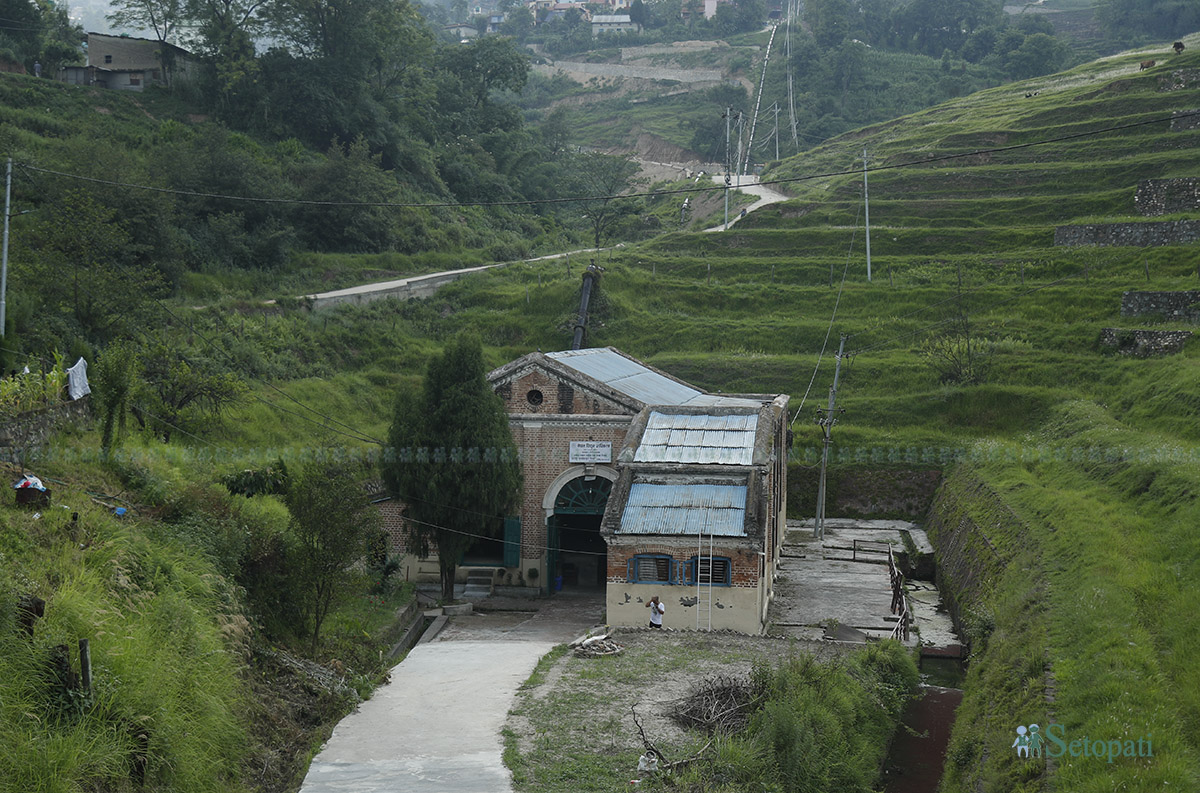
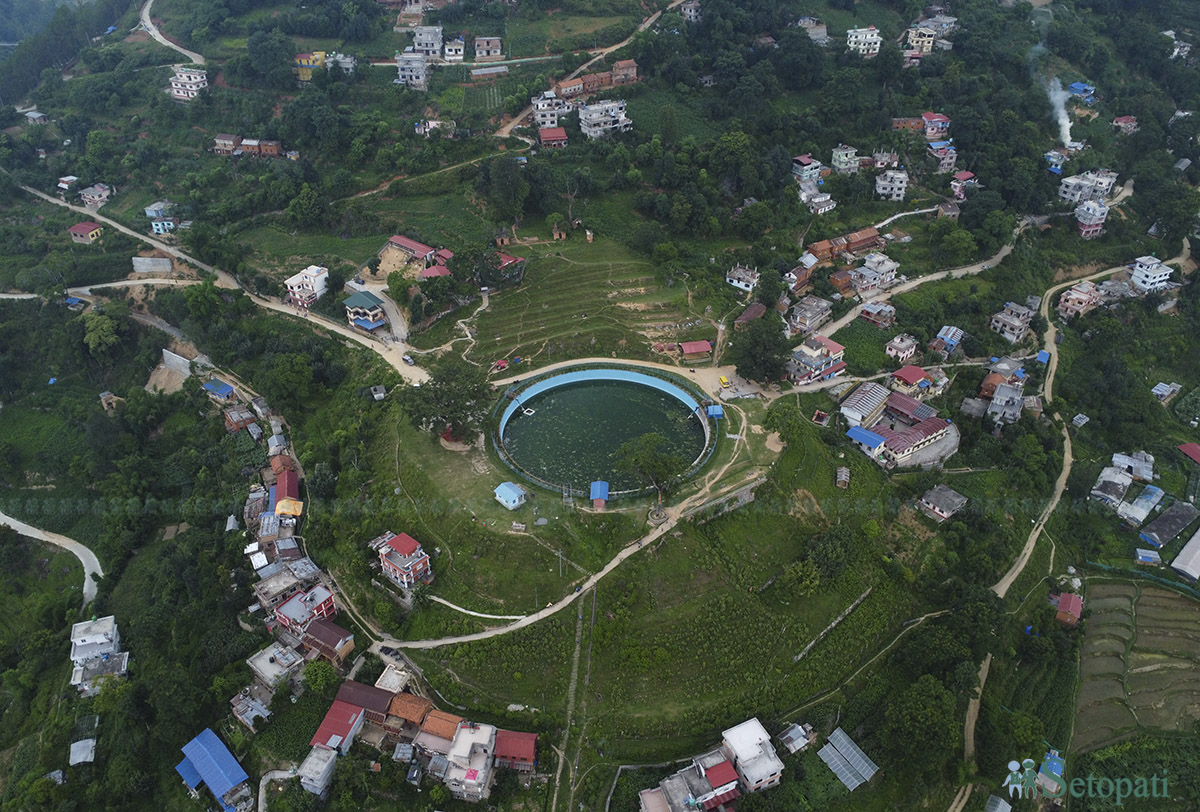
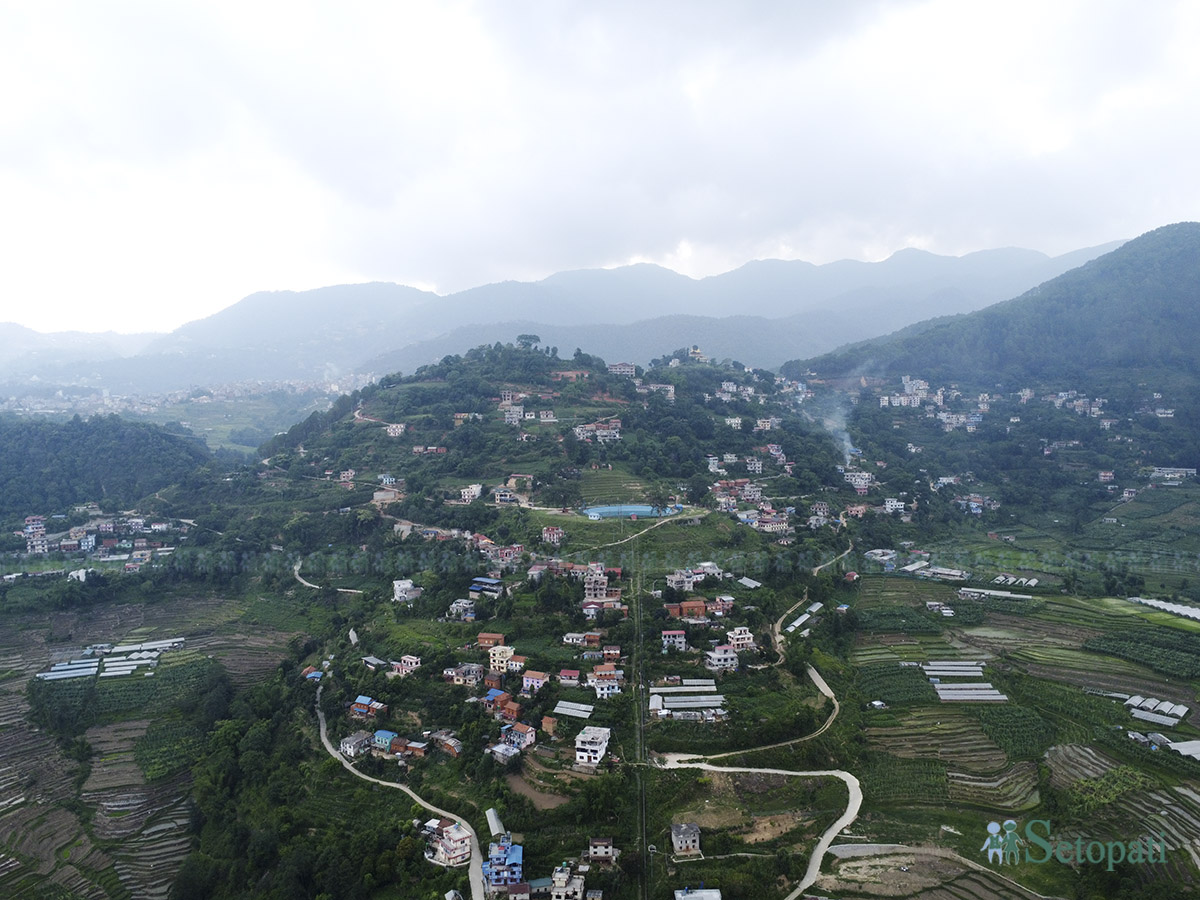
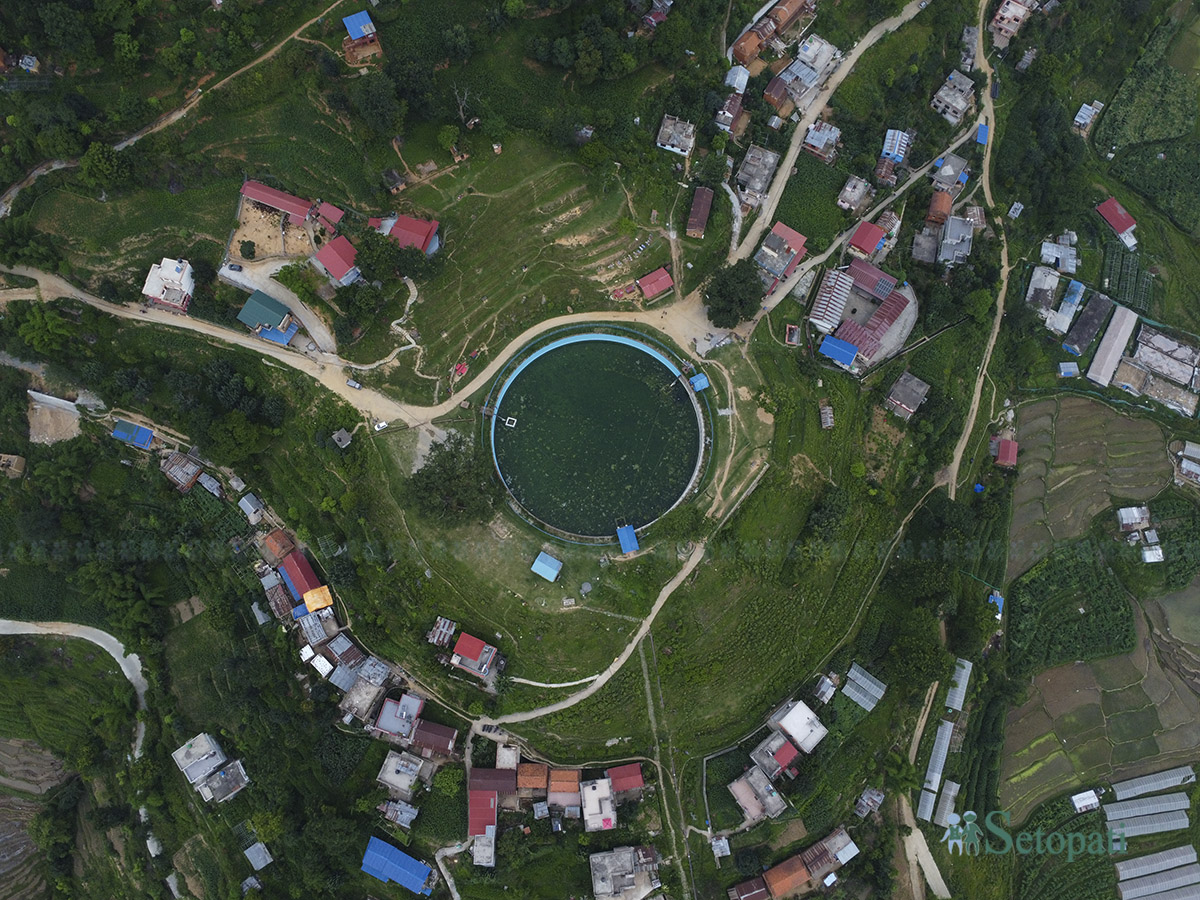
The Pharping Hydropower Station, located in Pharping, Dakshinkali Municipality-1, is Nepal's first hydropower project and the second hydropower plant in South Asia.
This historic site, which marked the beginning of modern electricity generation in Nepal, remains an important part of the country's energy heritage.
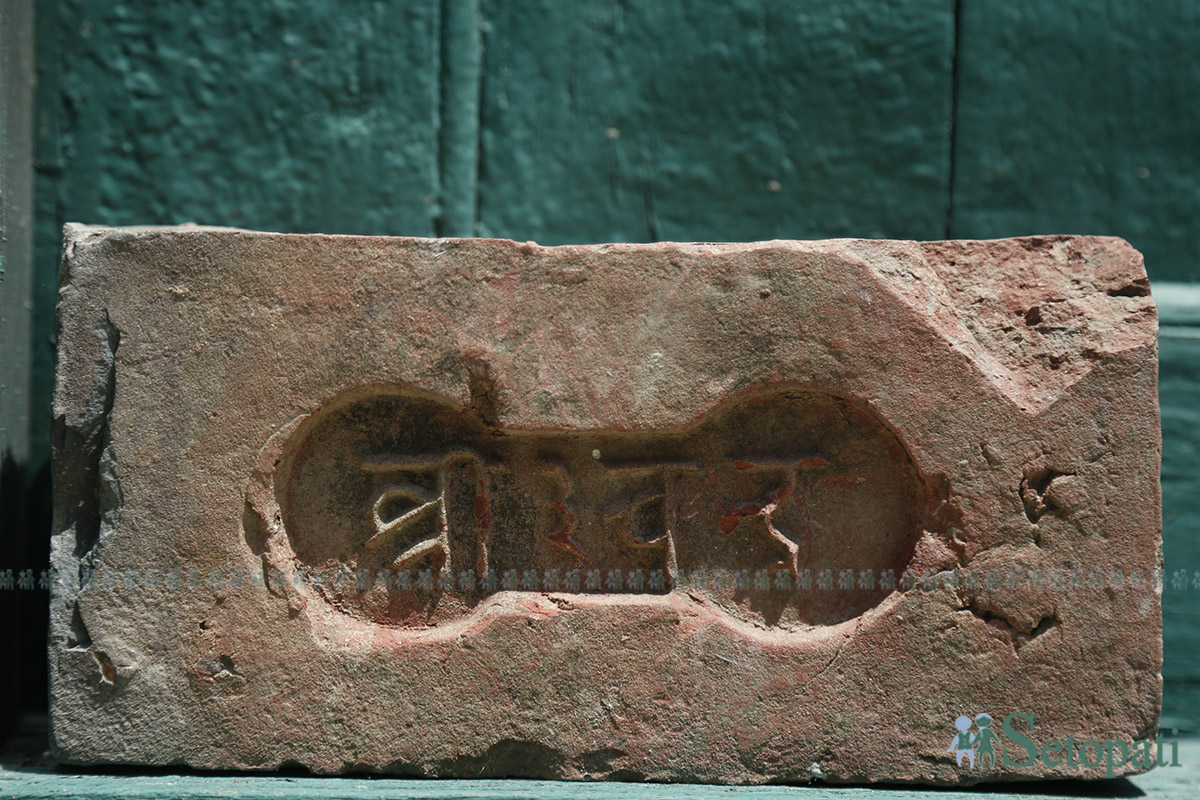
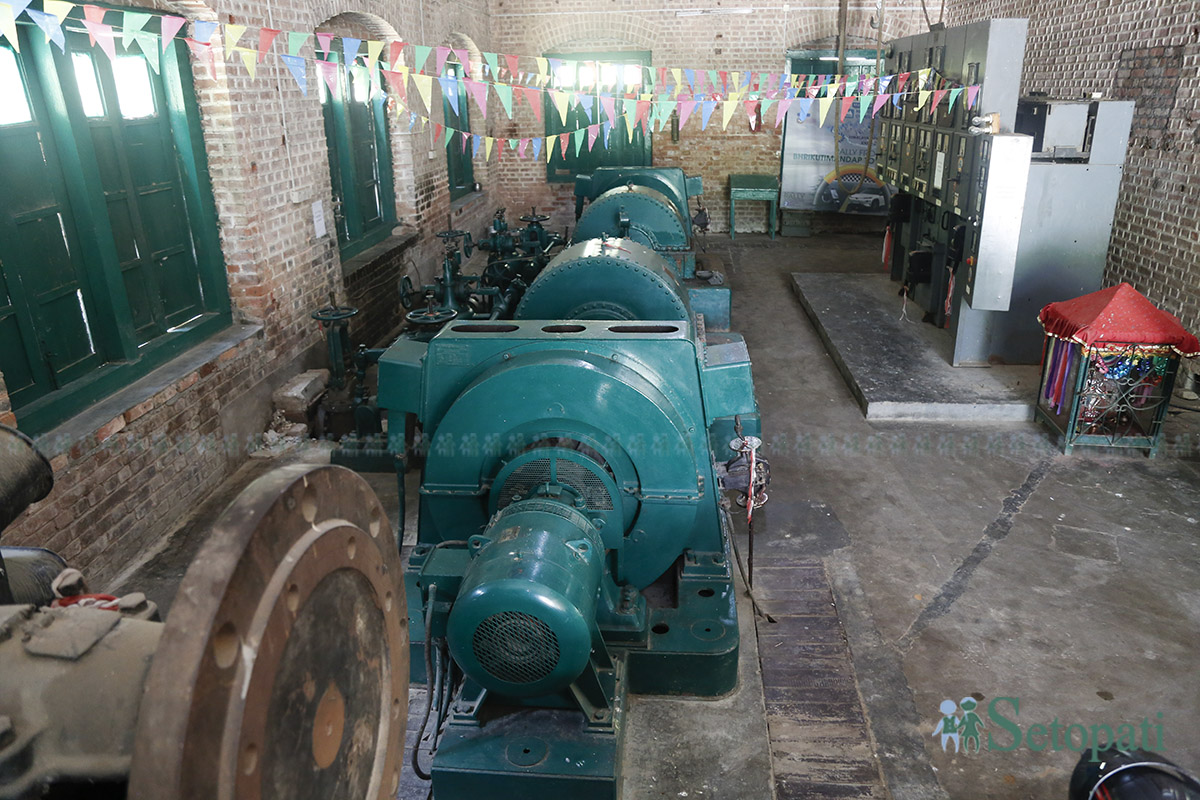
Construction of the project began in 1907 under the initiative of then Rana prime minister Chandra Shumsher Jung Bahadur Rana. The plant officially came into operation on May 22, 1911. Initially, it generated a total of 500 kilowatts of electricity through two 250-kilowatt turbines.
The project utilized water sourced from the Satamool and Shesh Narayan areas. The electricity generated was initially used to supply power to Rana palaces, government offices, and streetlights in certain parts of Kathmandu.
This project provided the people of Kathmandu with their first experience of electric light.
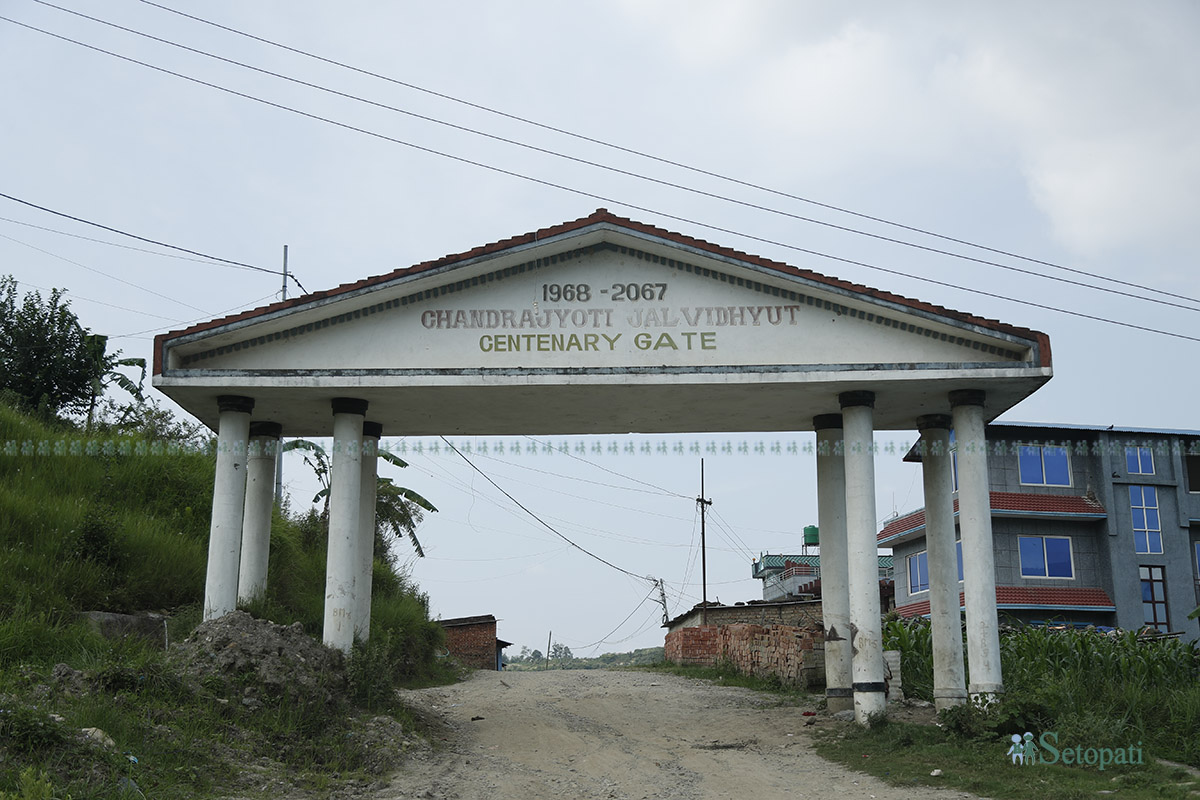
More than a century after its establishment, the station continues to retain its historical significance. In 2010, it was declared a "living museum."
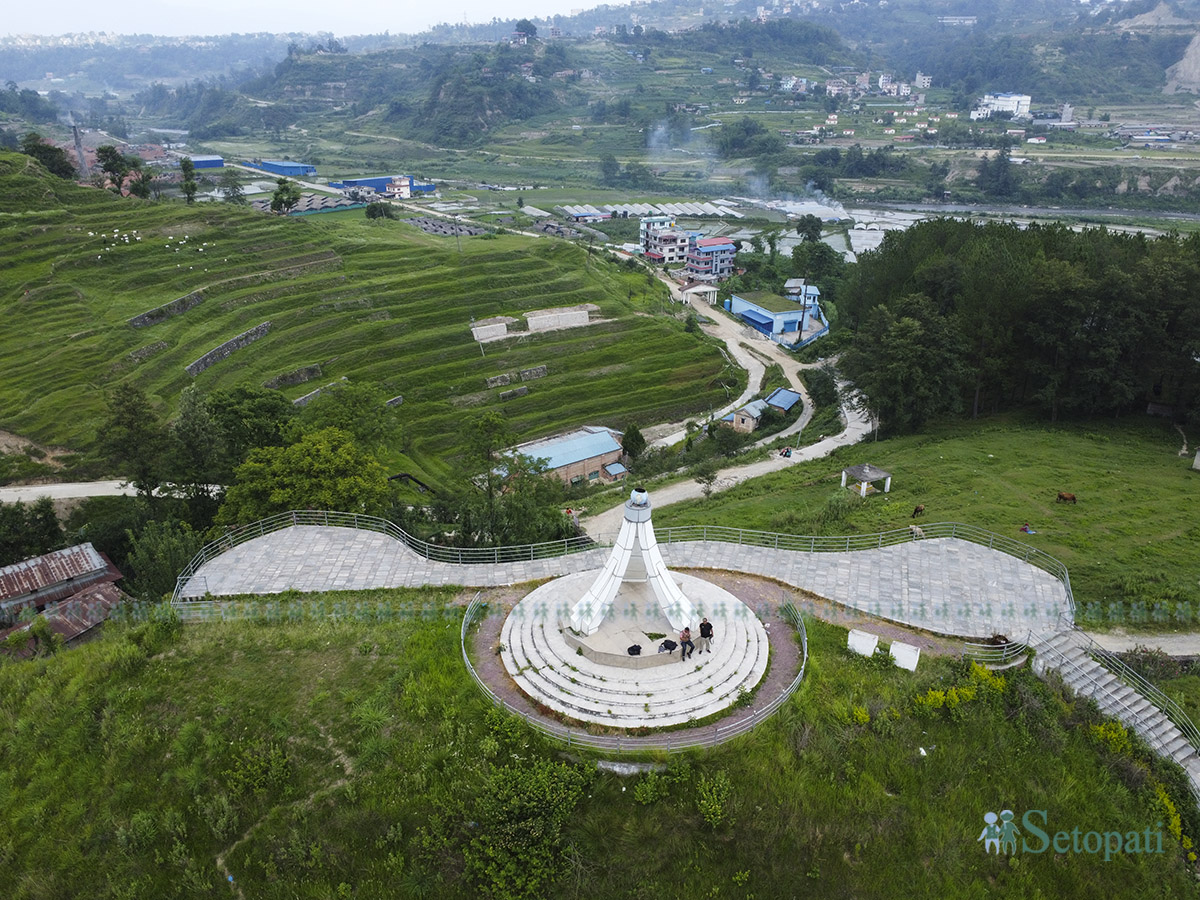
At present, the Nepal Electricity Authority is responsible for its conservation, while the government has developed it as an energy museum and tourist destination.
As part of tourism promotion efforts, a "Diamond Jubilee Park" has also been constructed at the site.
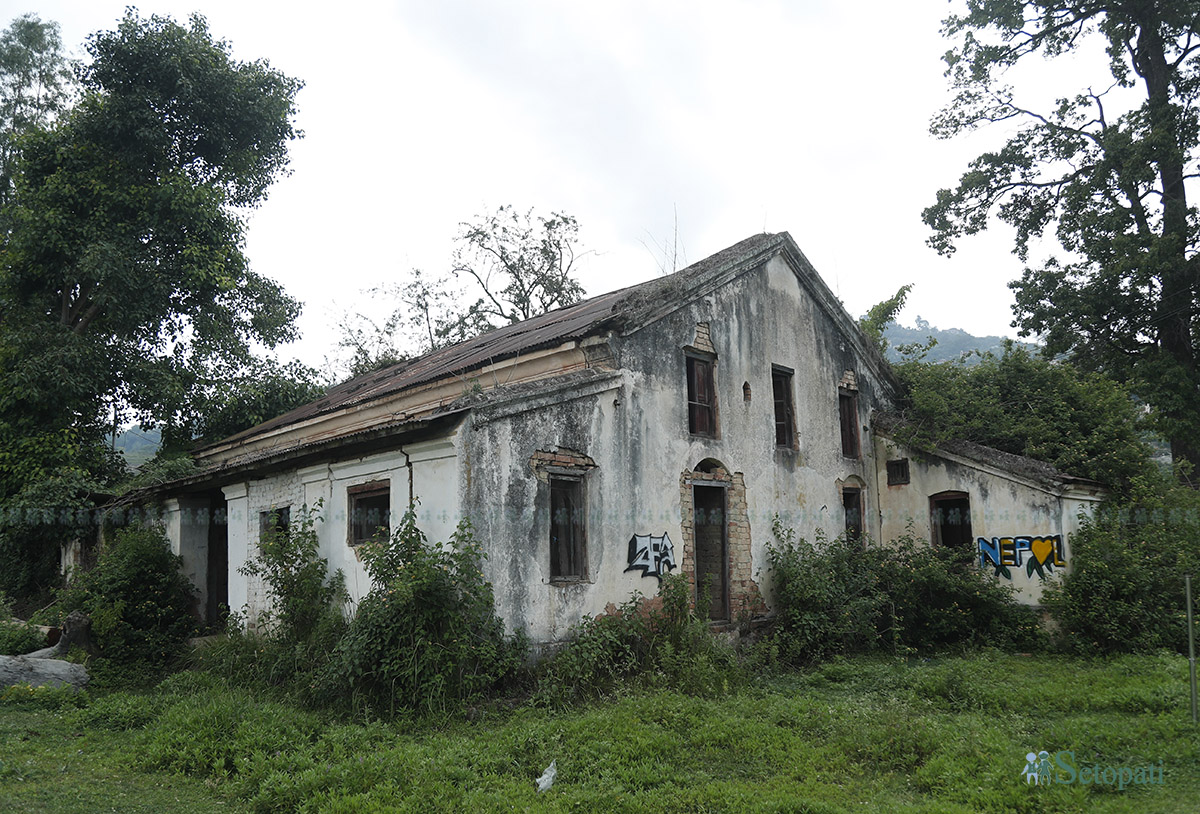
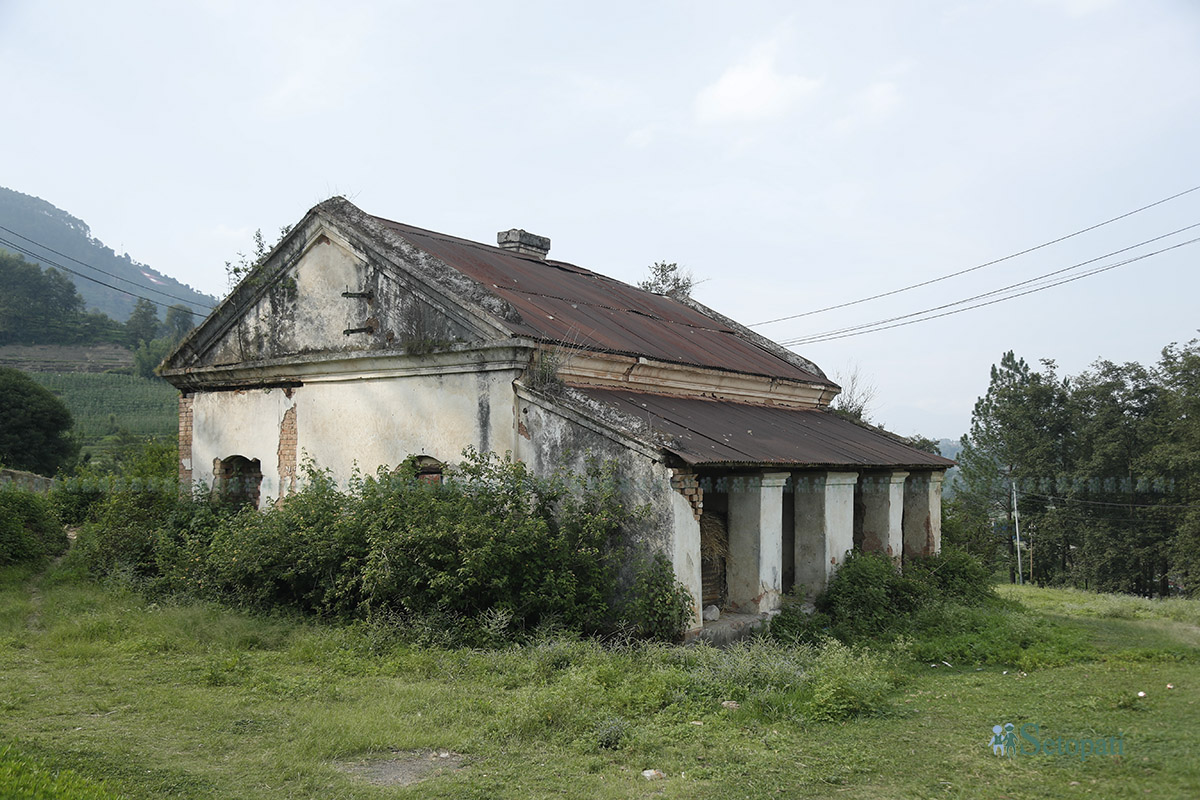
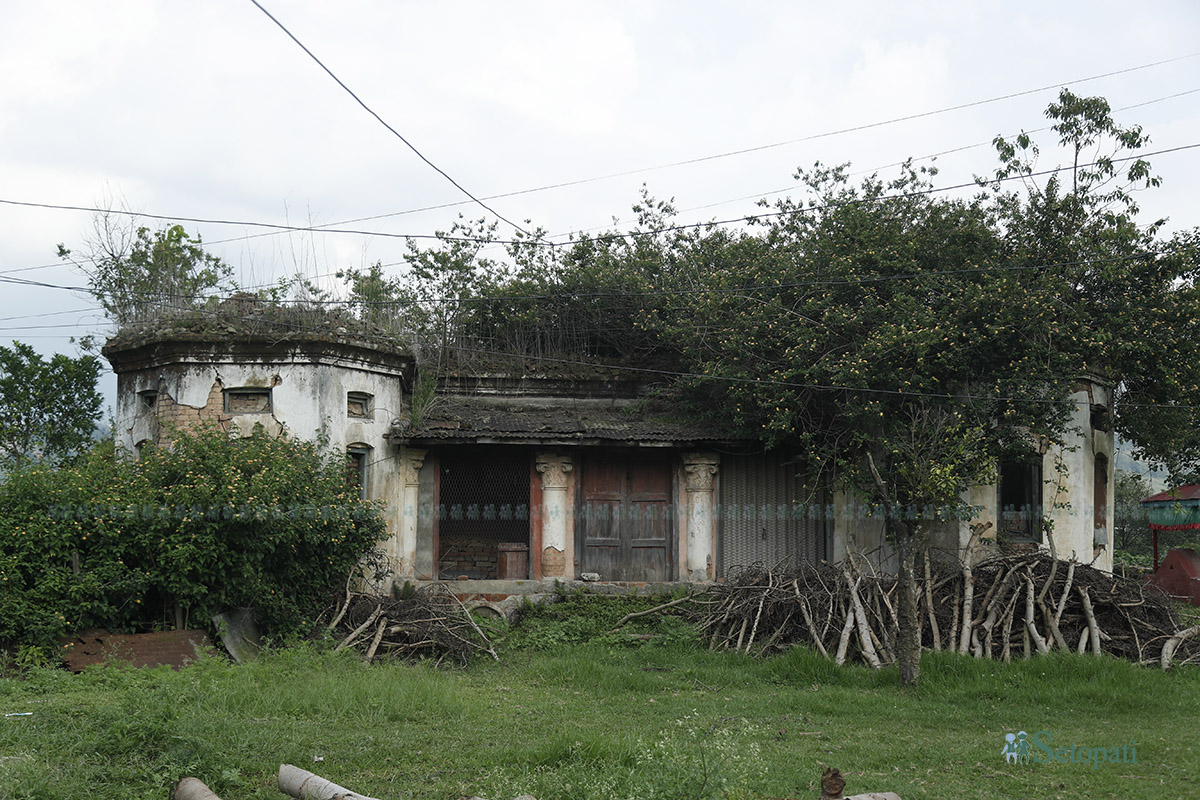
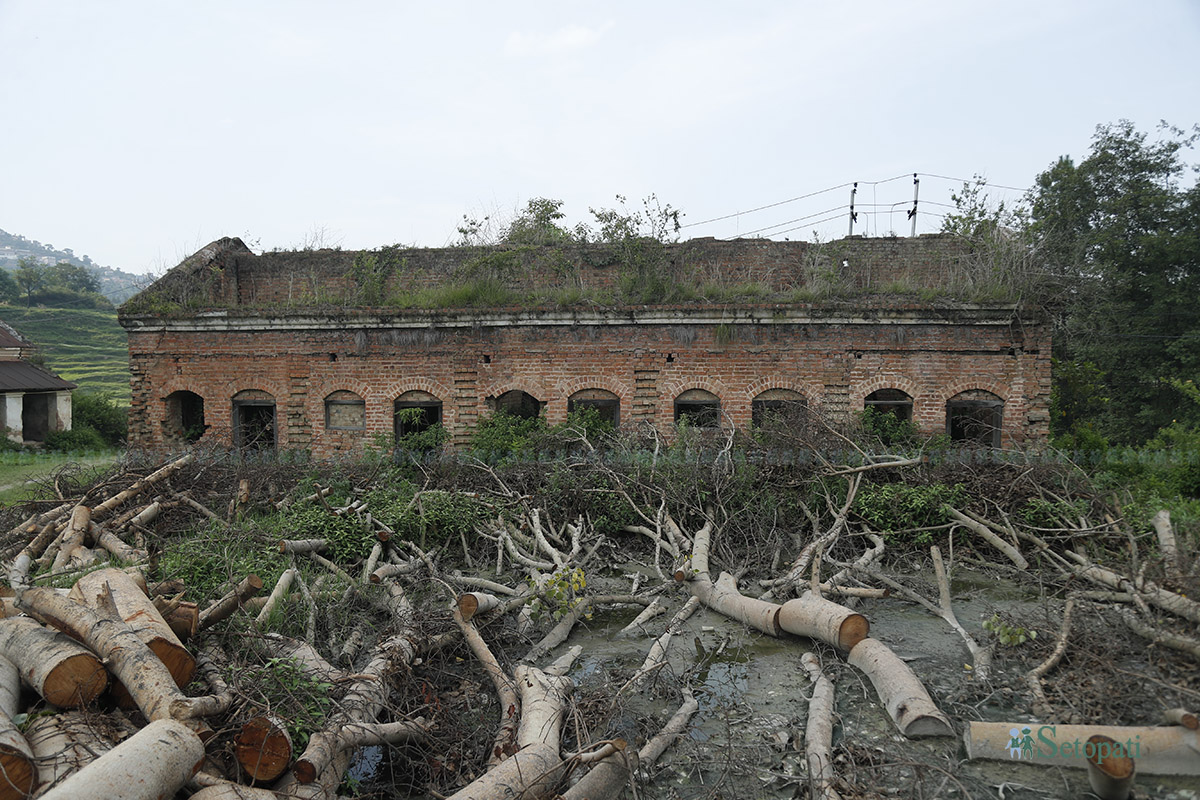
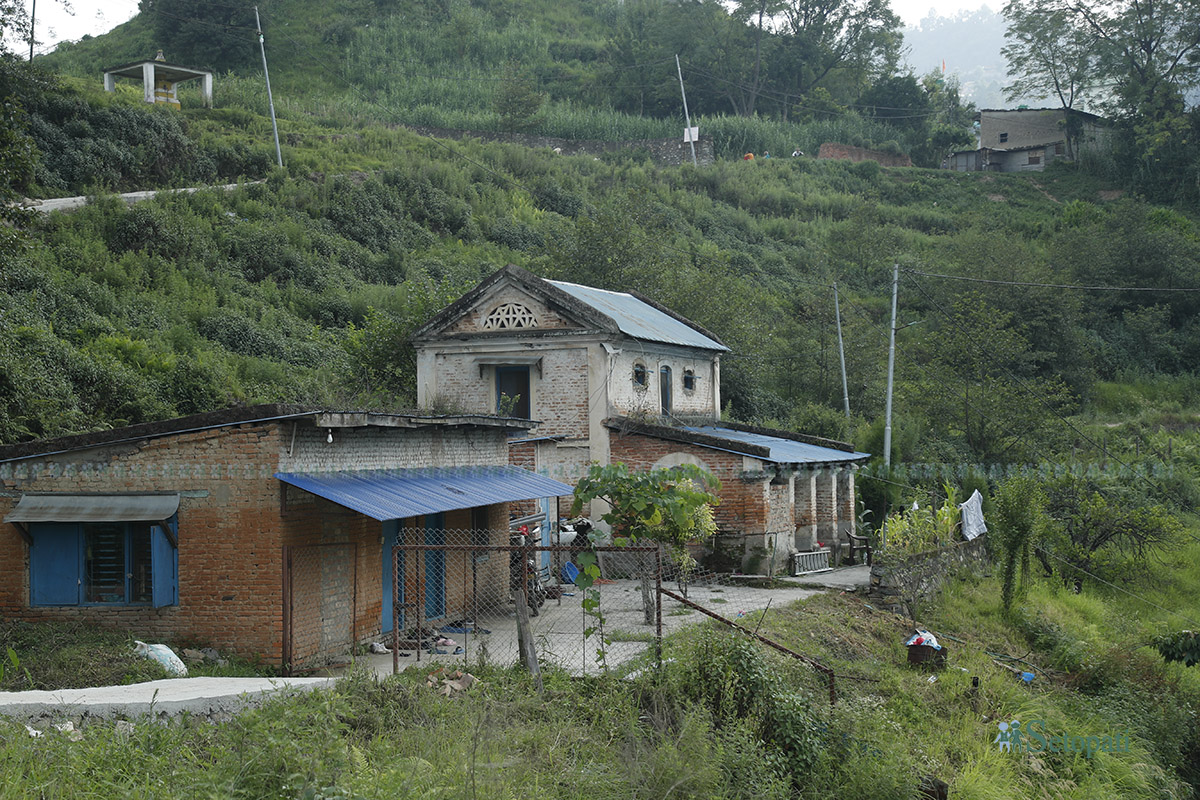
Despite its immense historical importance and tourism potential, the heritage site has gradually fallen into disrepair due to inadequate maintenance. Structures in the park are on the verge of collapse, while the administrative and residential buildings from the early days of the project are turning into ruins due to lack of conservation. However, the original machinery of the main project remains in a safe condition.
Although electricity generation at the station has ceased over time, the project is not entirely defunct. The water collected here is currently being supplied as drinking water to various areas of Lalitpur.
Having completed a journey of more than a hundred years, the Pharping Hydropower Station stands today as a living history of Nepal's energy development. Yet, it appears to be awaiting further conservation and promotion to preserve its existence.