Following the demolition of settlements along the banks of the Bagmati and Manohara rivers, the government has announced that the displaced squatters will be relocated to Nagarjun.
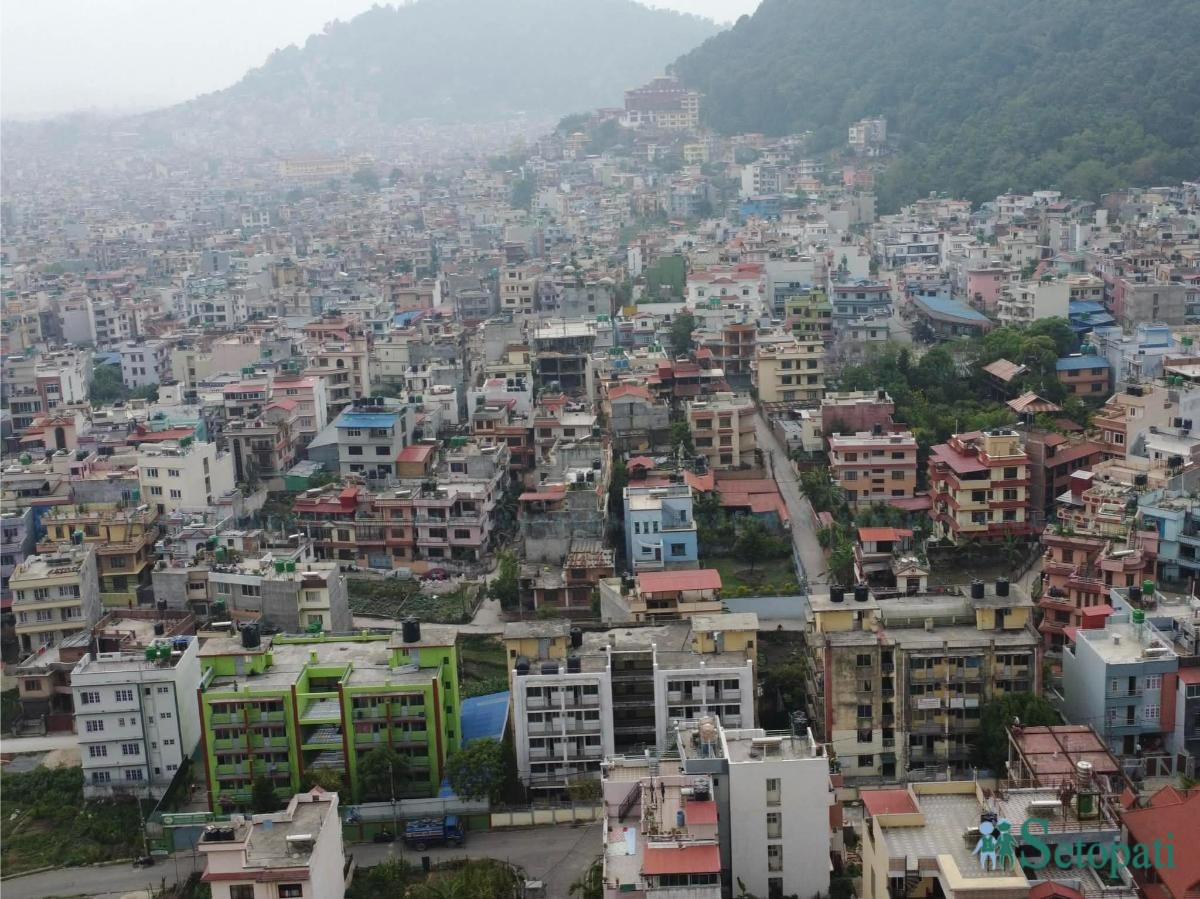
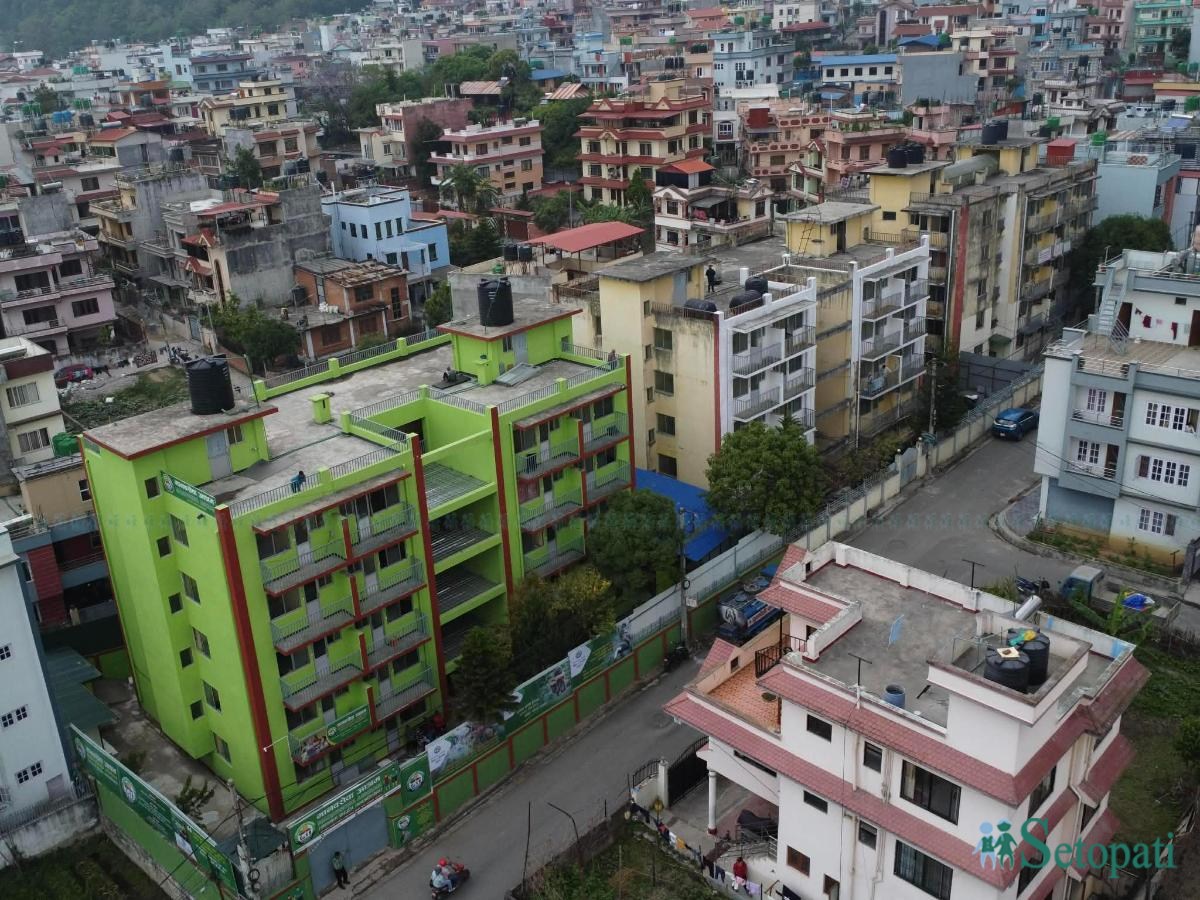
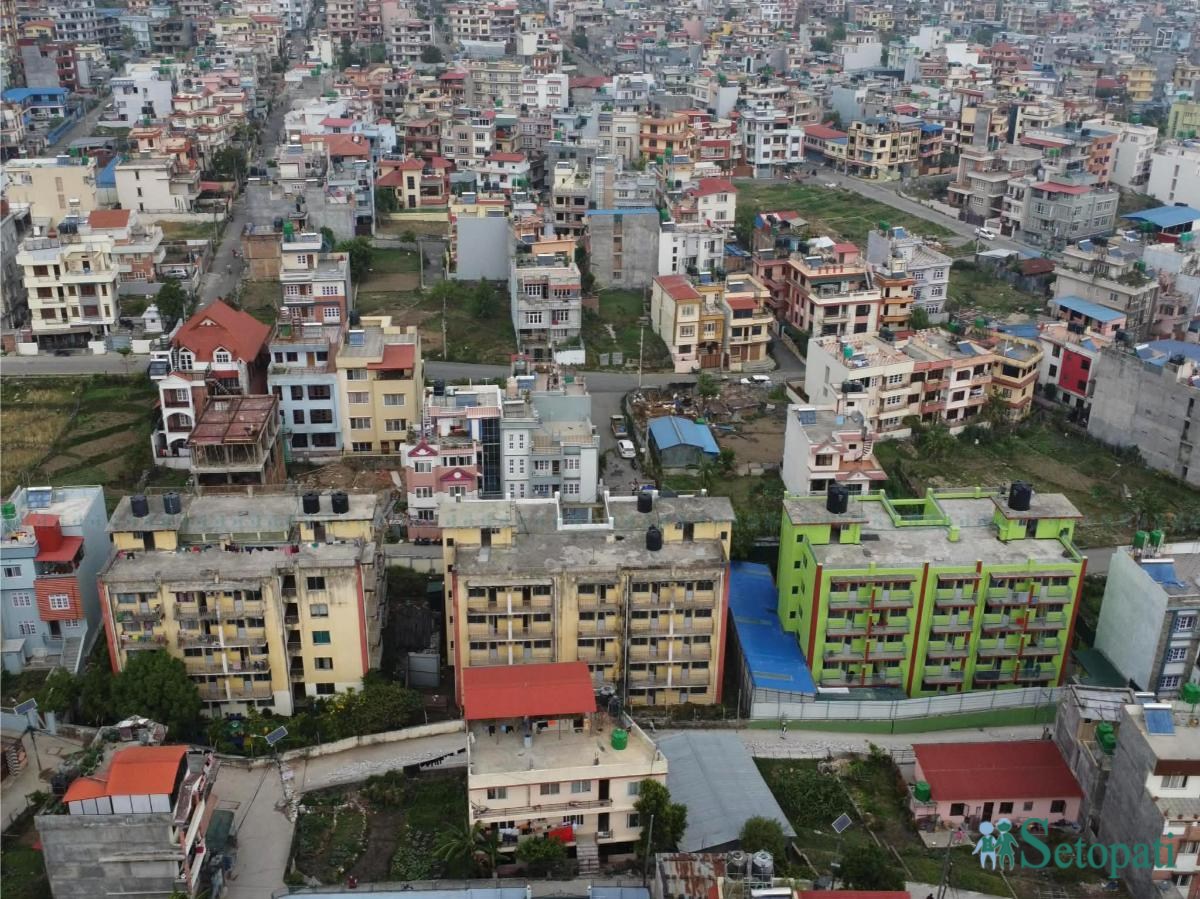
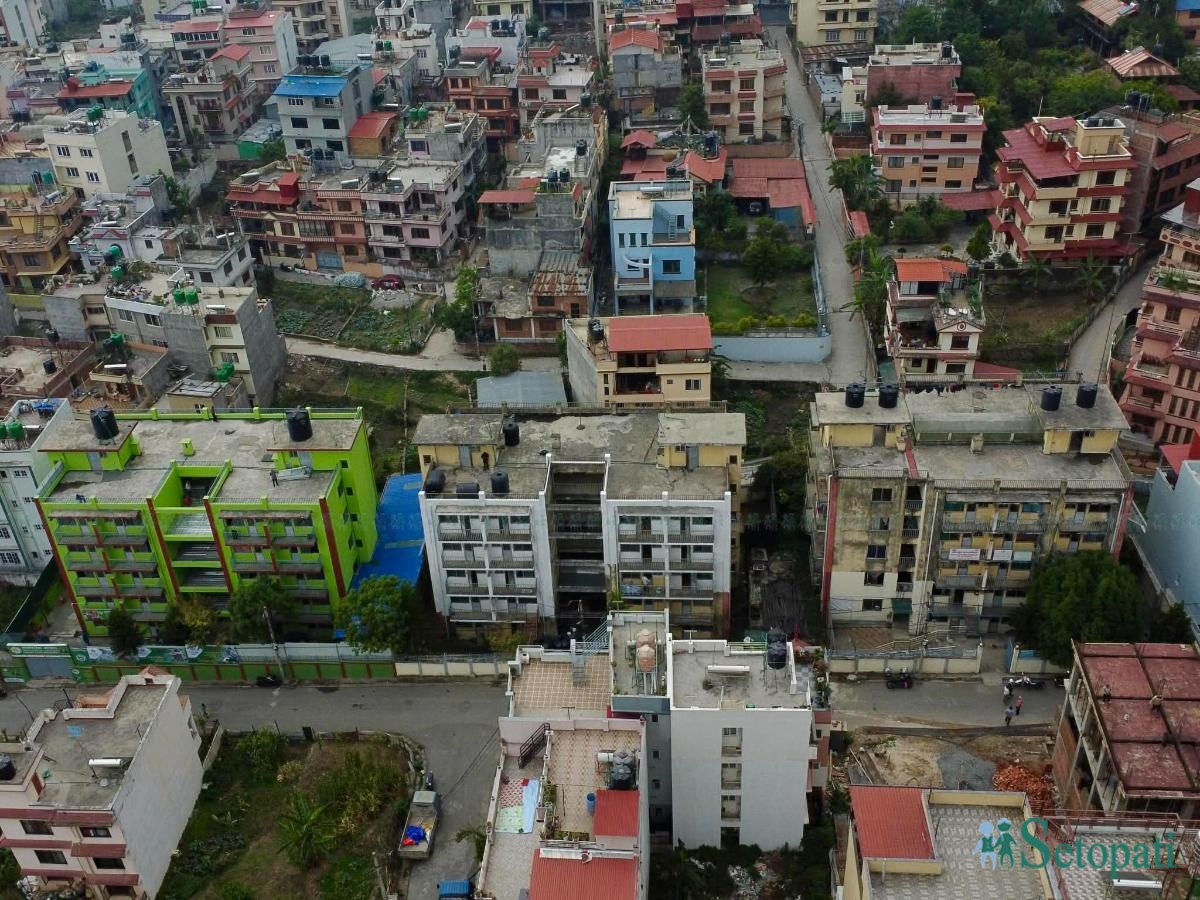
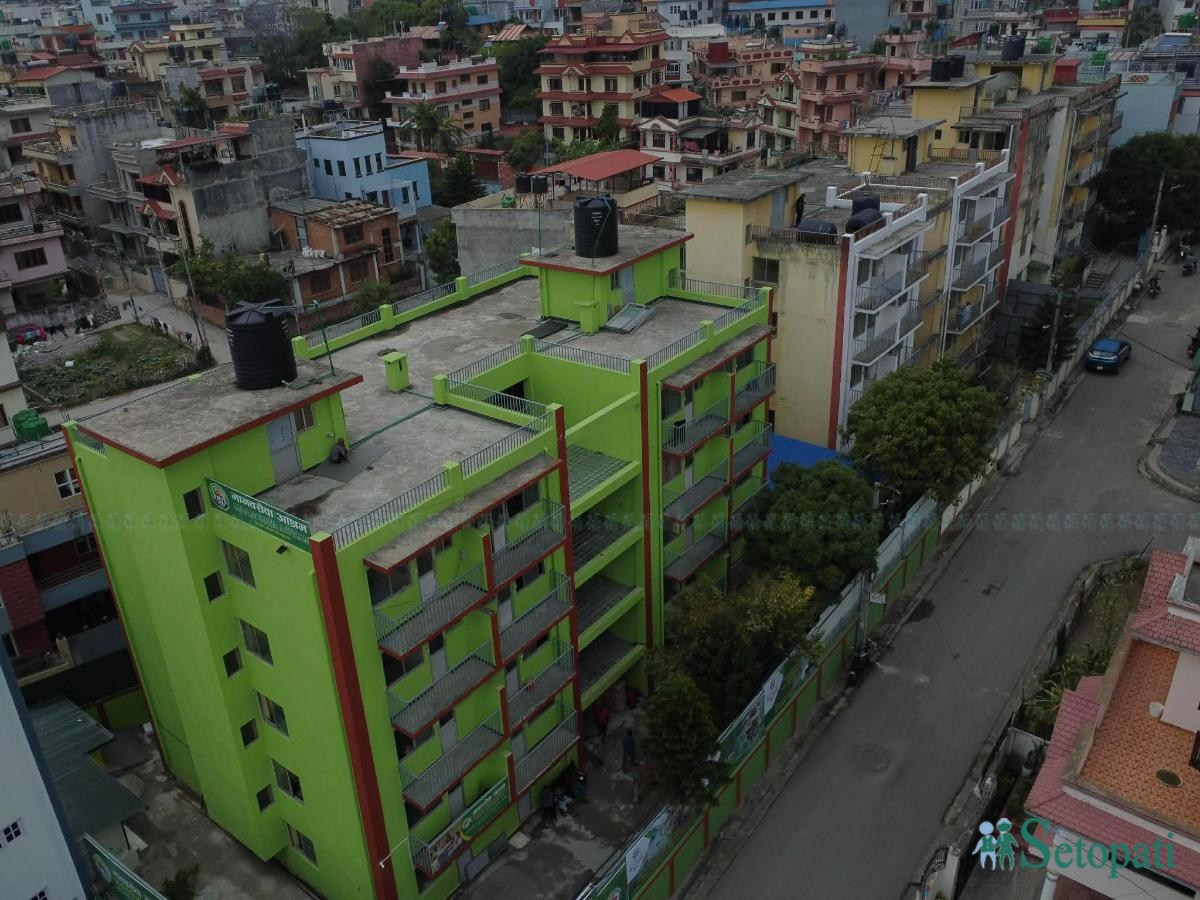
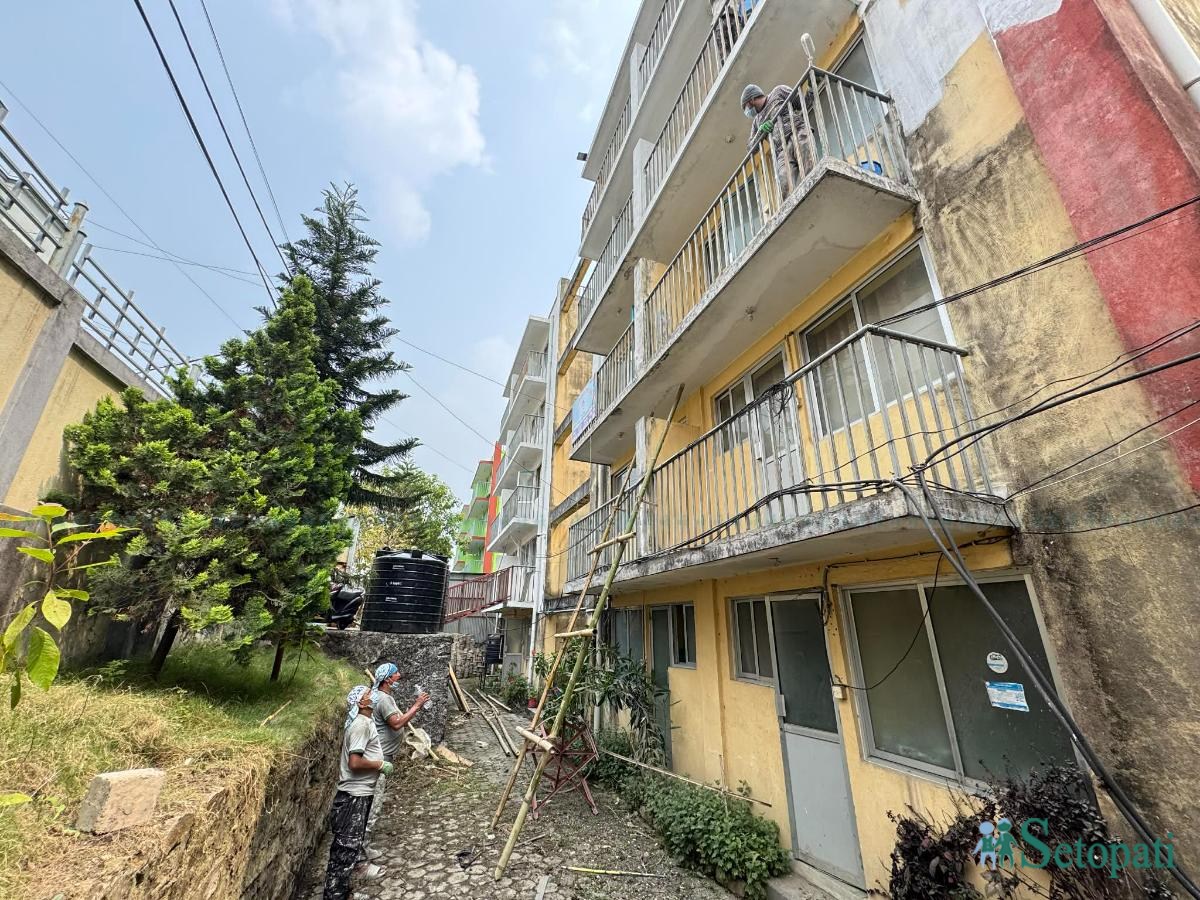
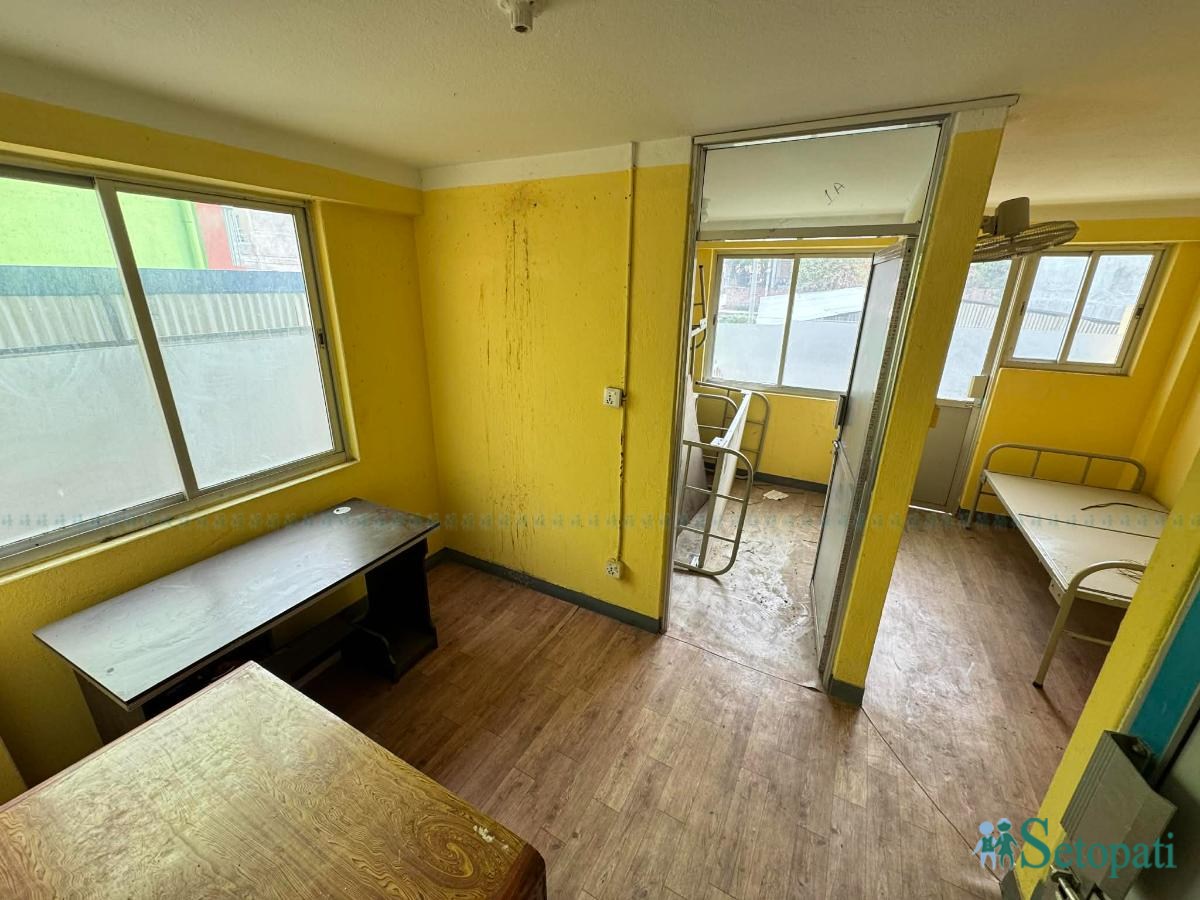
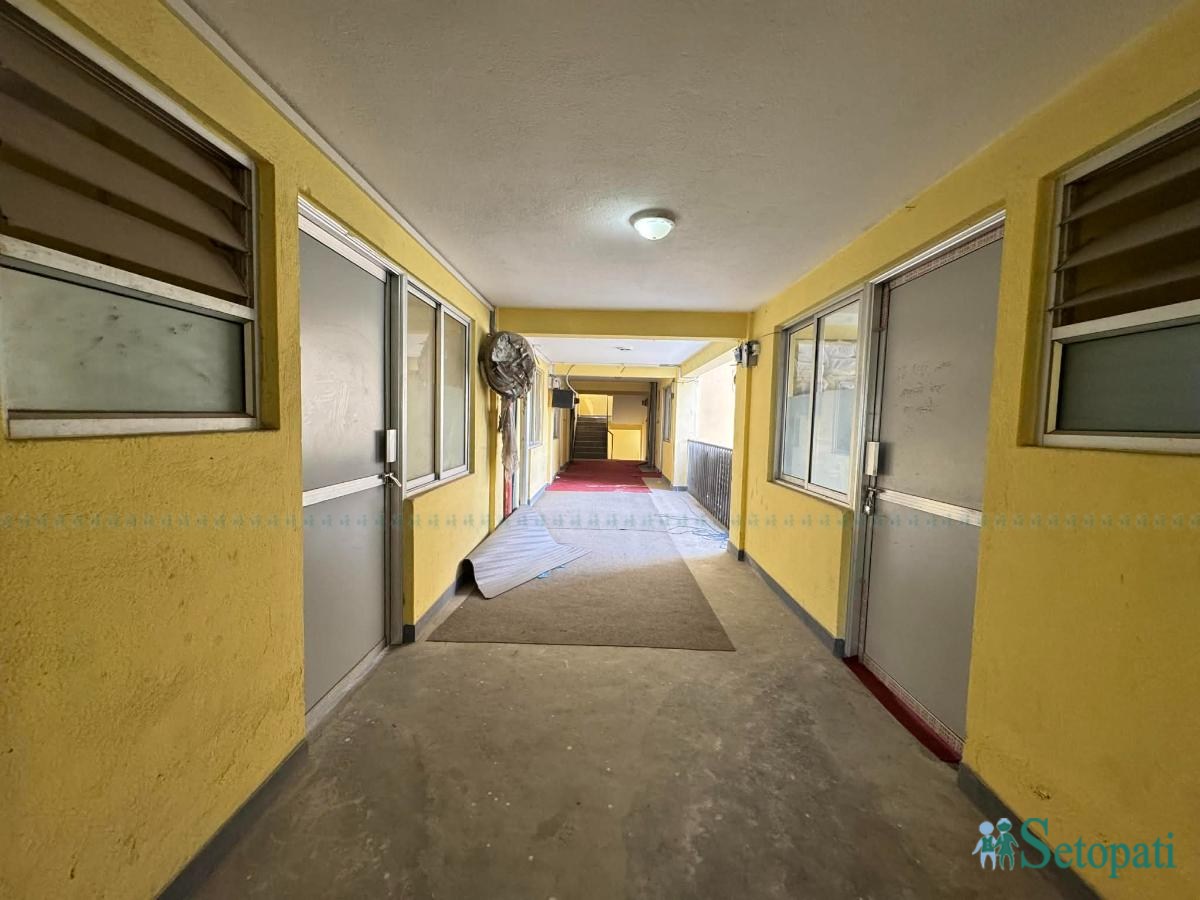
The plan is to house them in an apartment complex located in Ichangu, Nagarjun Municipality-1.
However, the government began preparing the facility only after the demolishing the settlements. Squatter settlements in Thapathali, Sinamangal, Gairigaun, and Shantinagar areas were razed on Saturday.
The process of documenting the displaced residents is still ongoing. A screening center has been established at Dasharath Stadium in Tripureshwar for this purpose.
By Sunday afternoon, 300 families have registered themselves as squatters.
No proper arrangements have been made for these families. More than 200 individuals were sent to the Satsang Bhawan in Kirtipur. Once that was filled to capacity, over 100 others were placed in hotels around Machhapokhari and the Bus Park area.
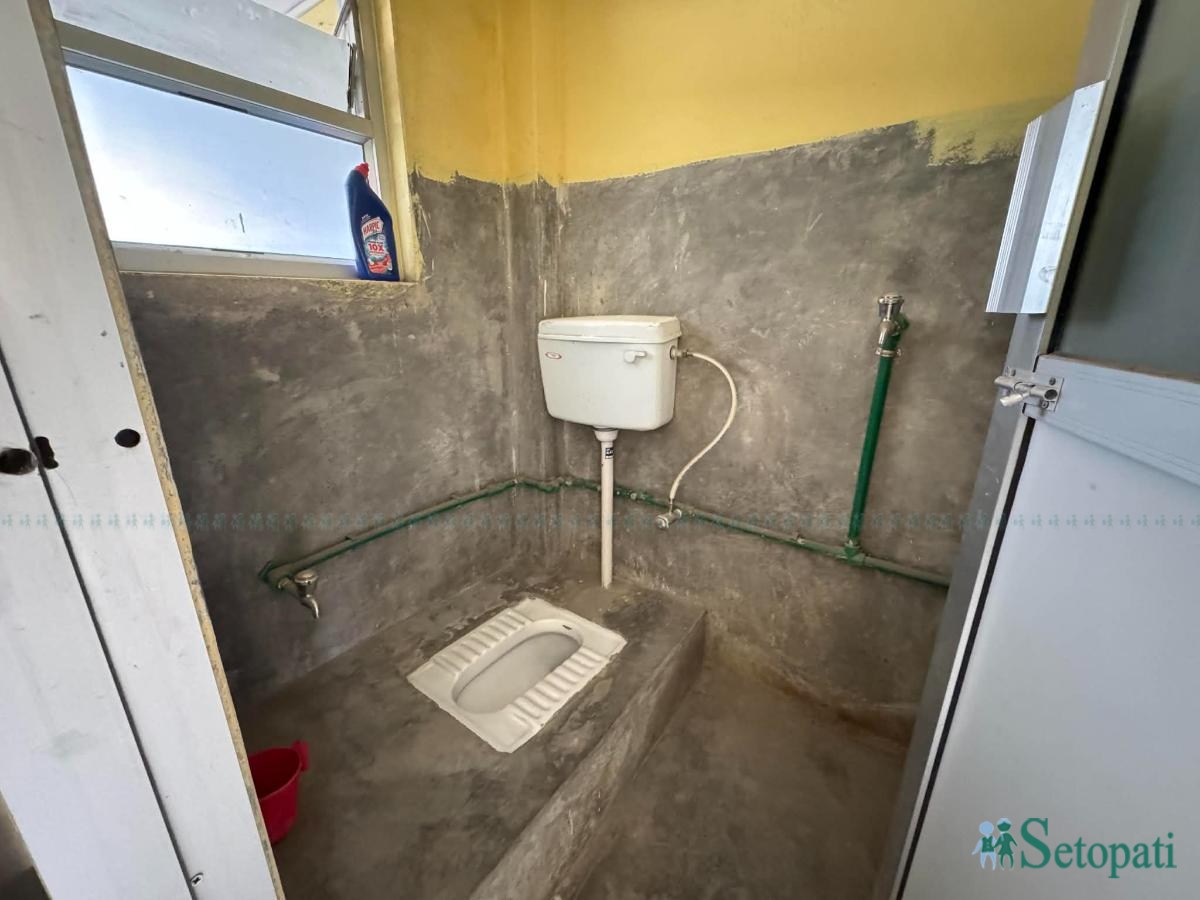
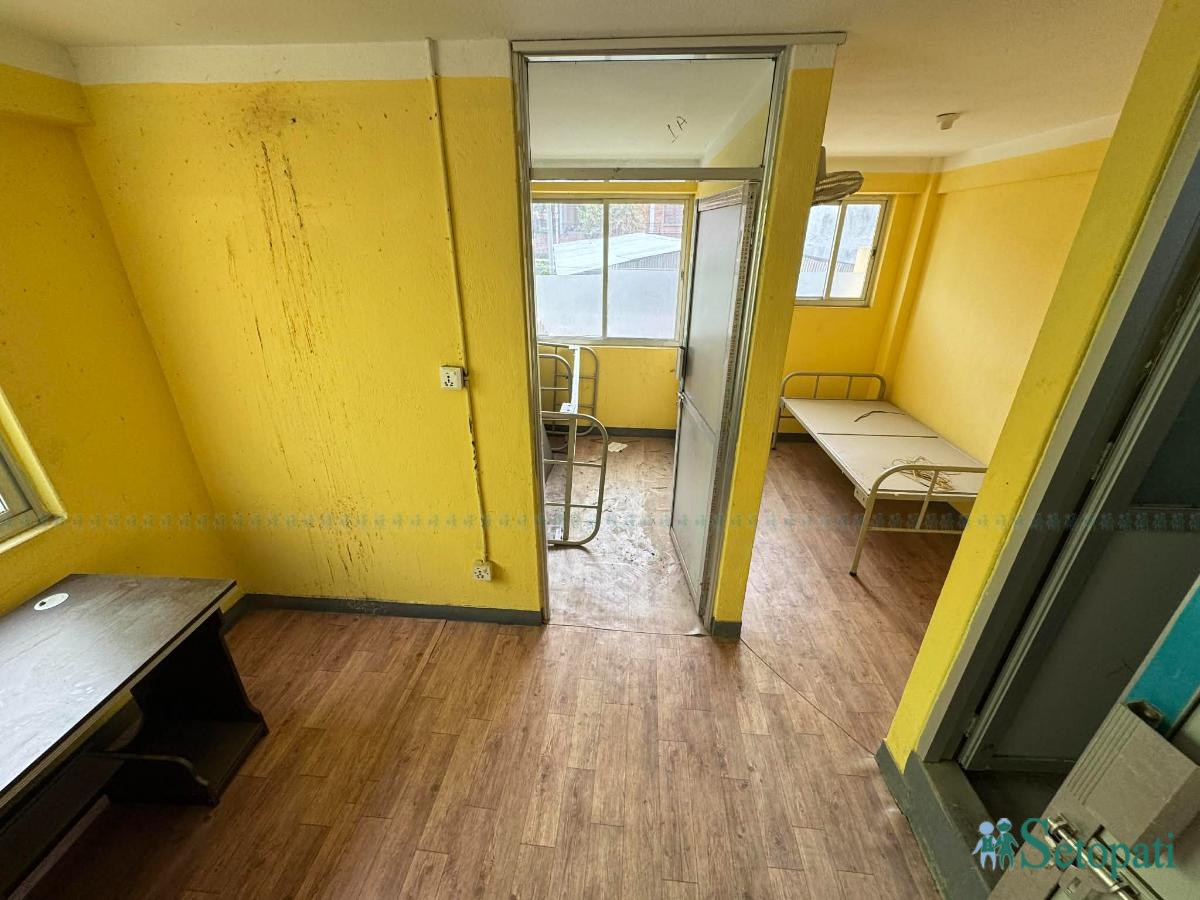
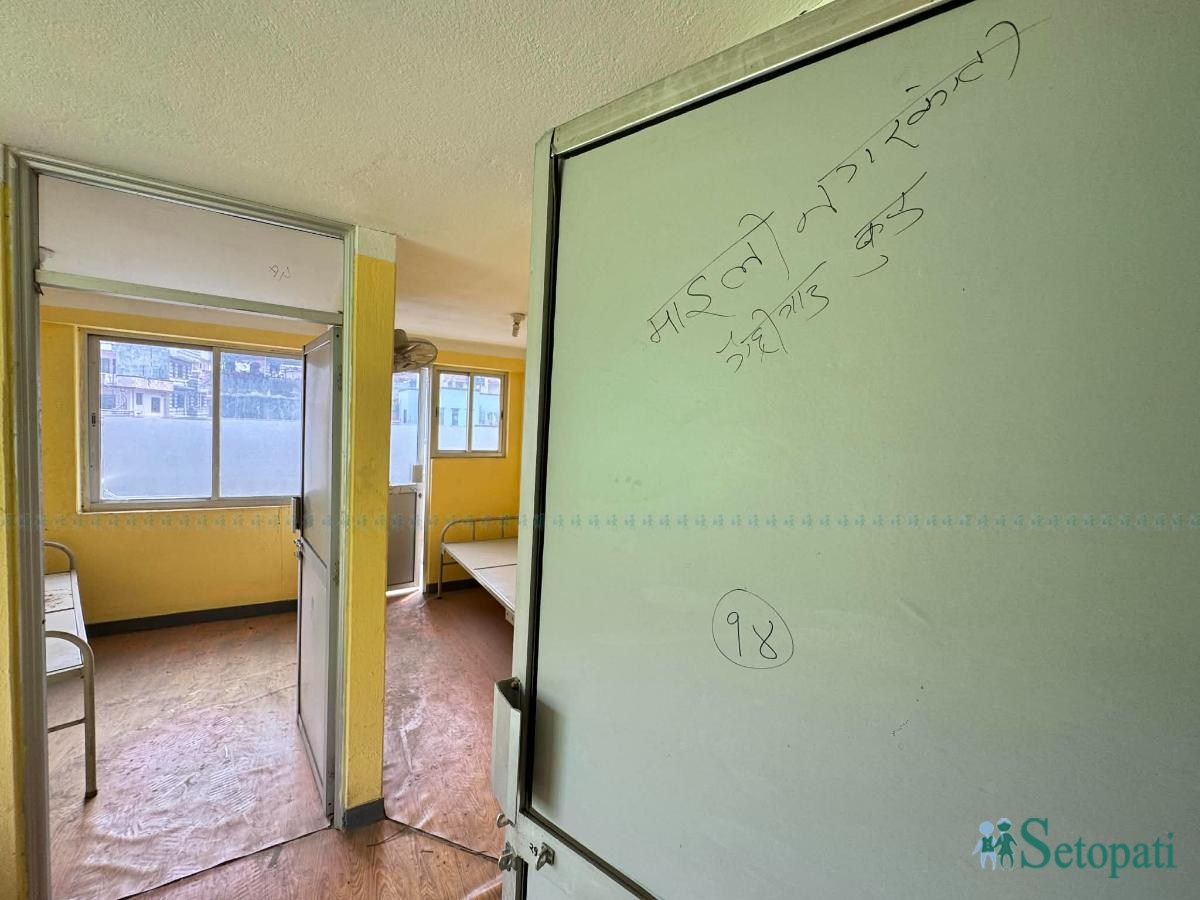
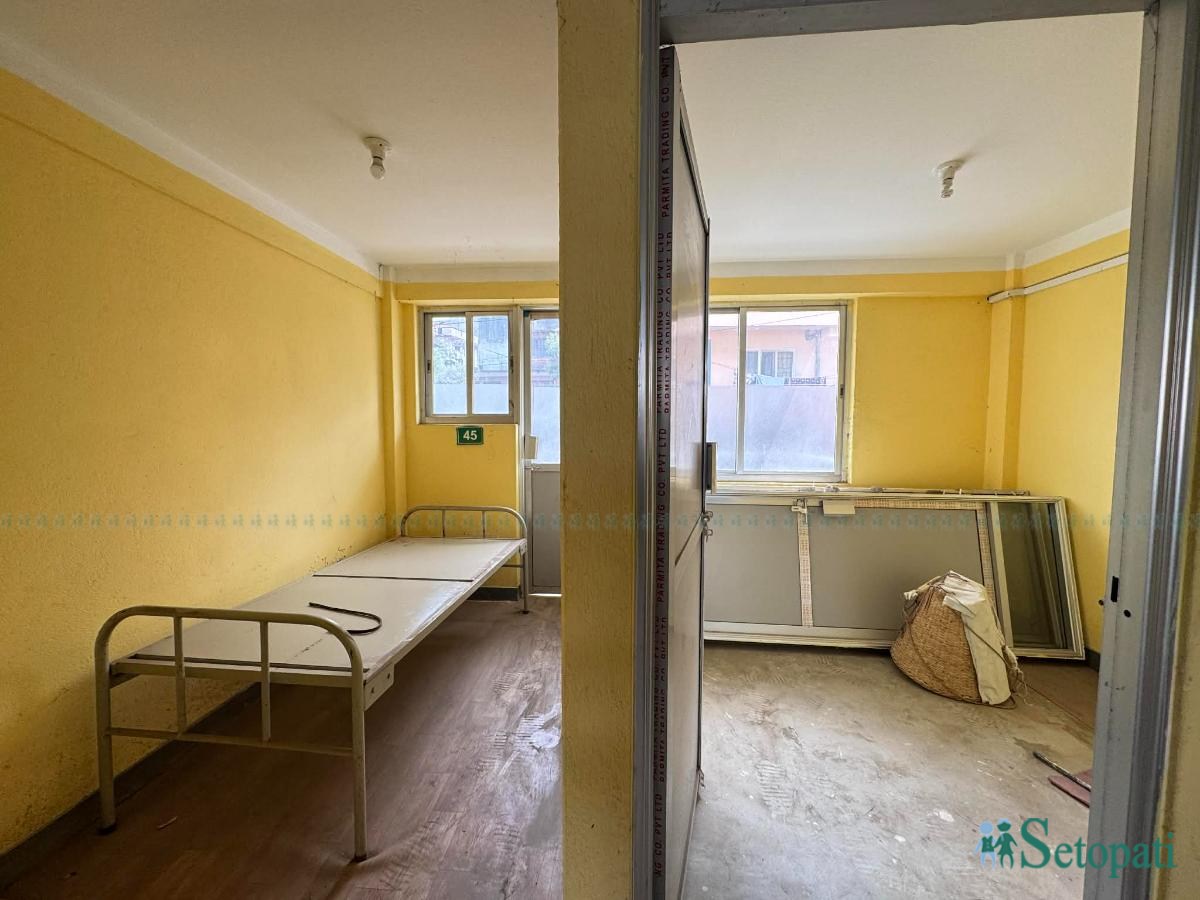
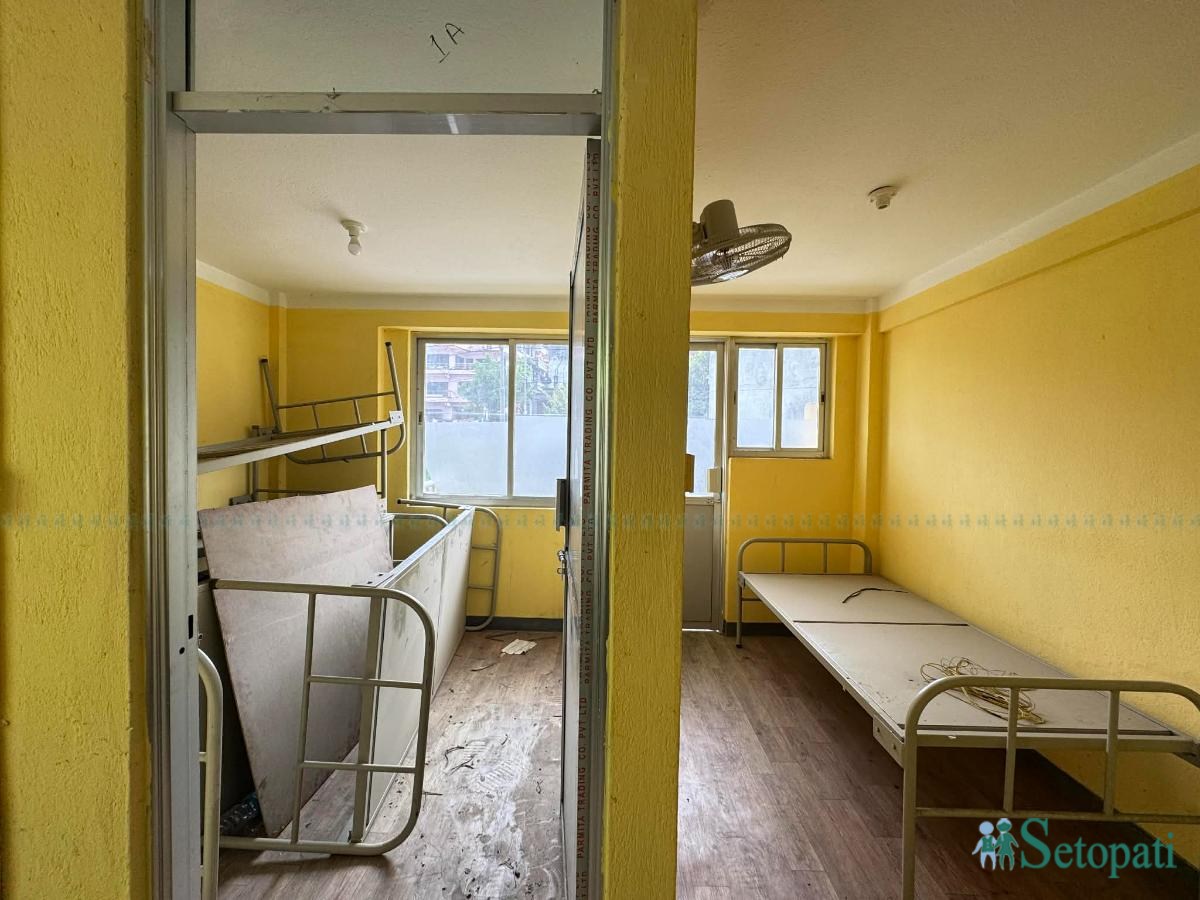
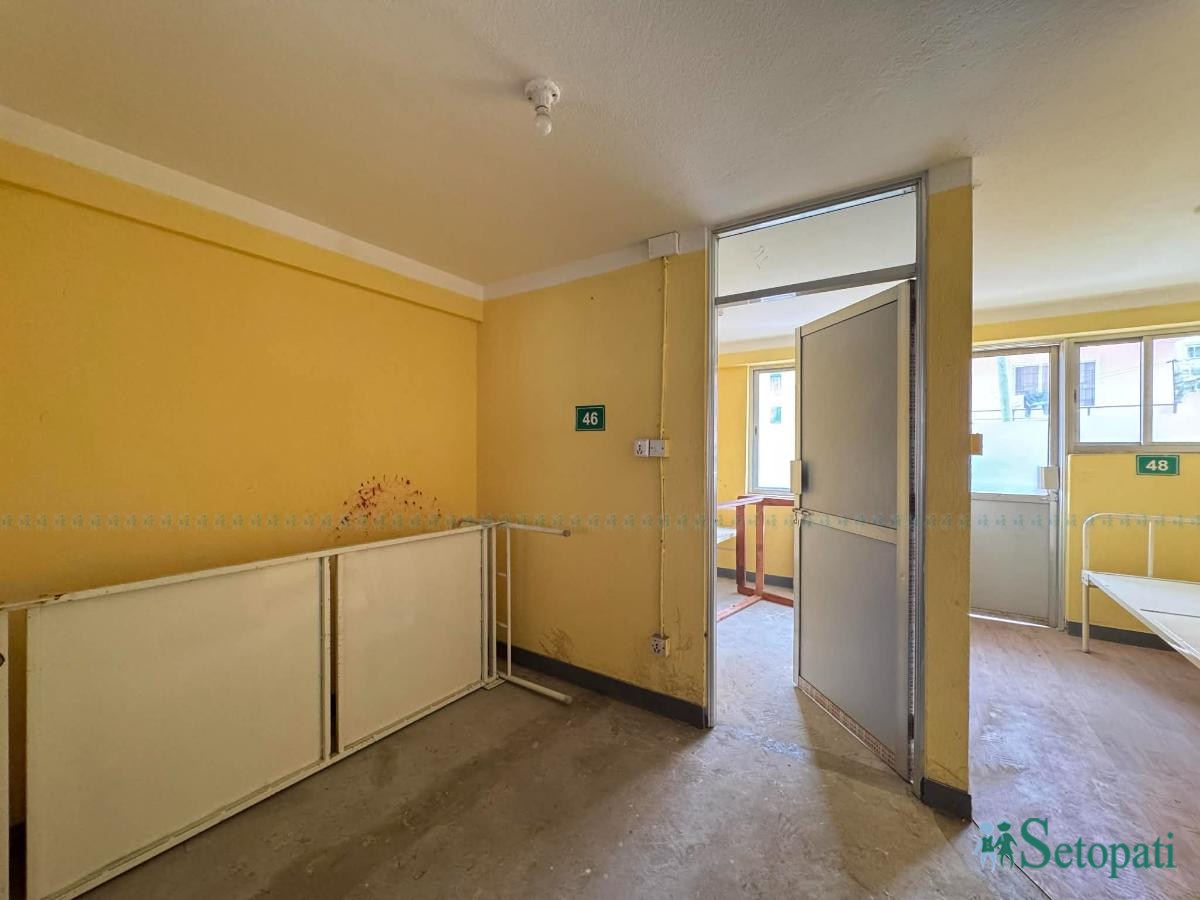
Although the government should have readied the apartments before clearing the settlements, the work is far from finished; painting was still underway as late as Friday.
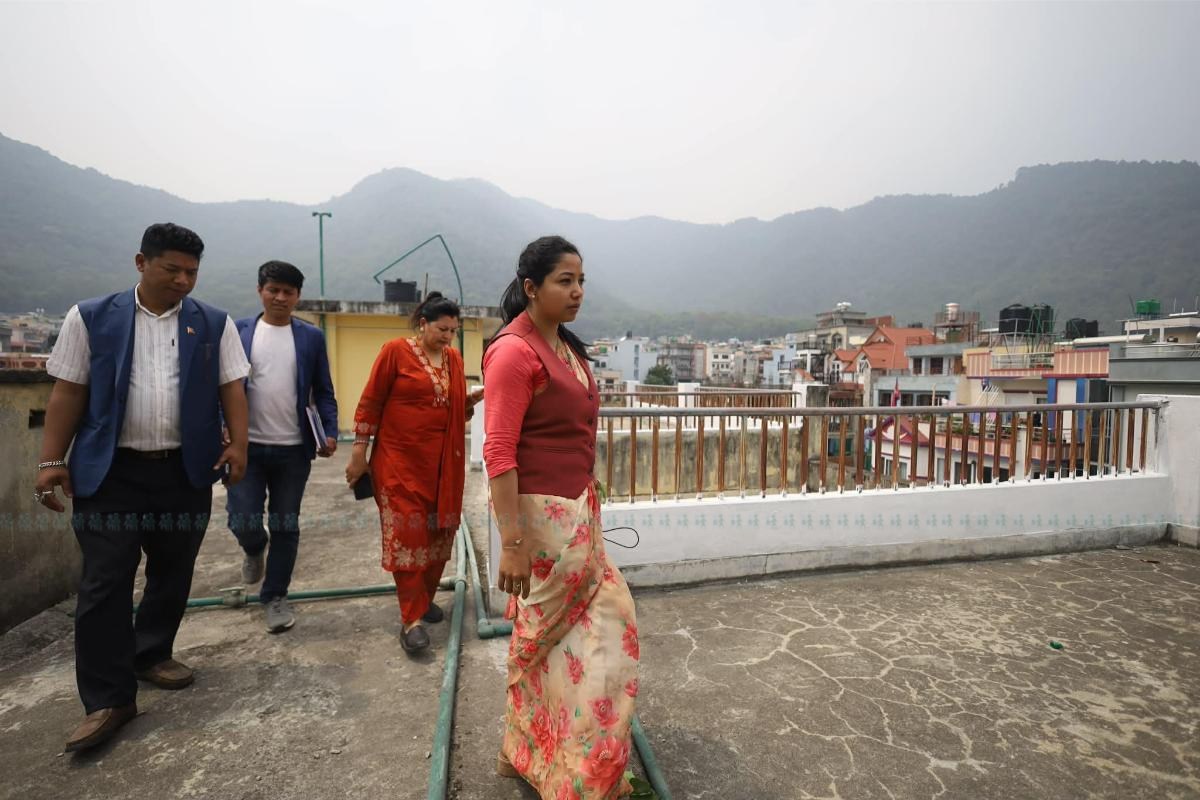
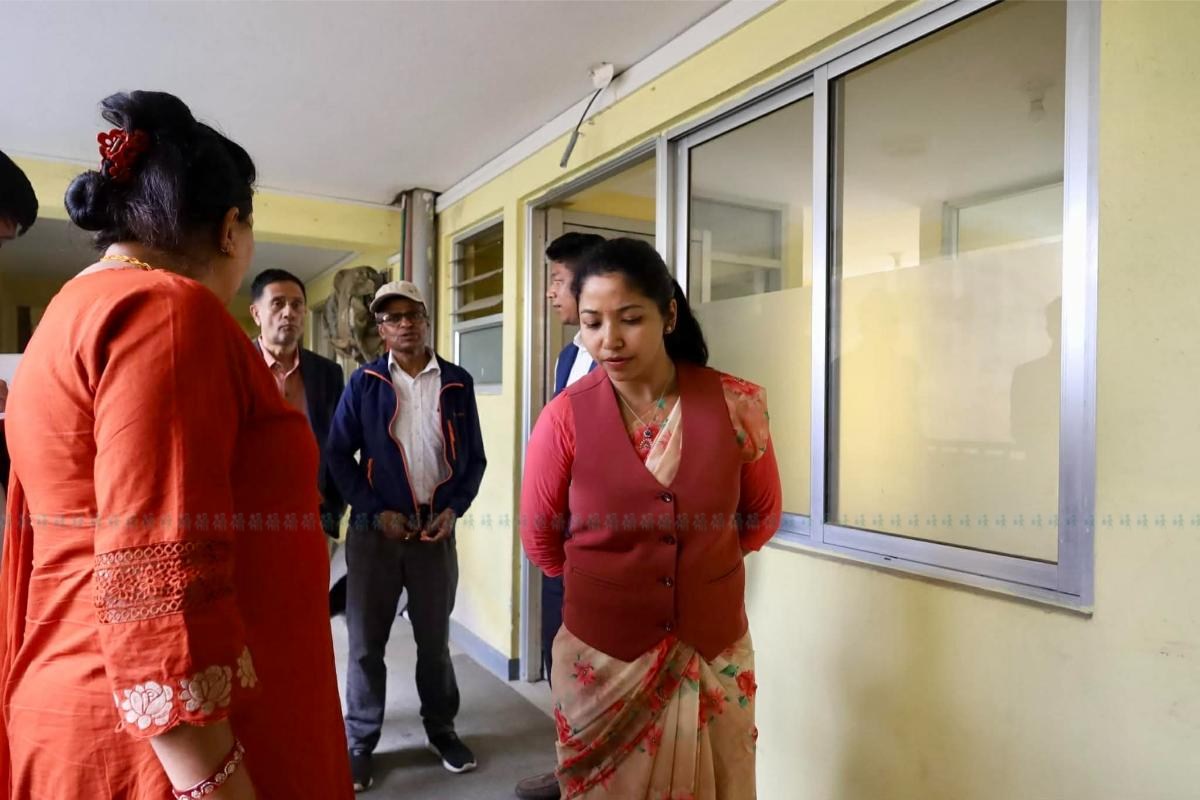
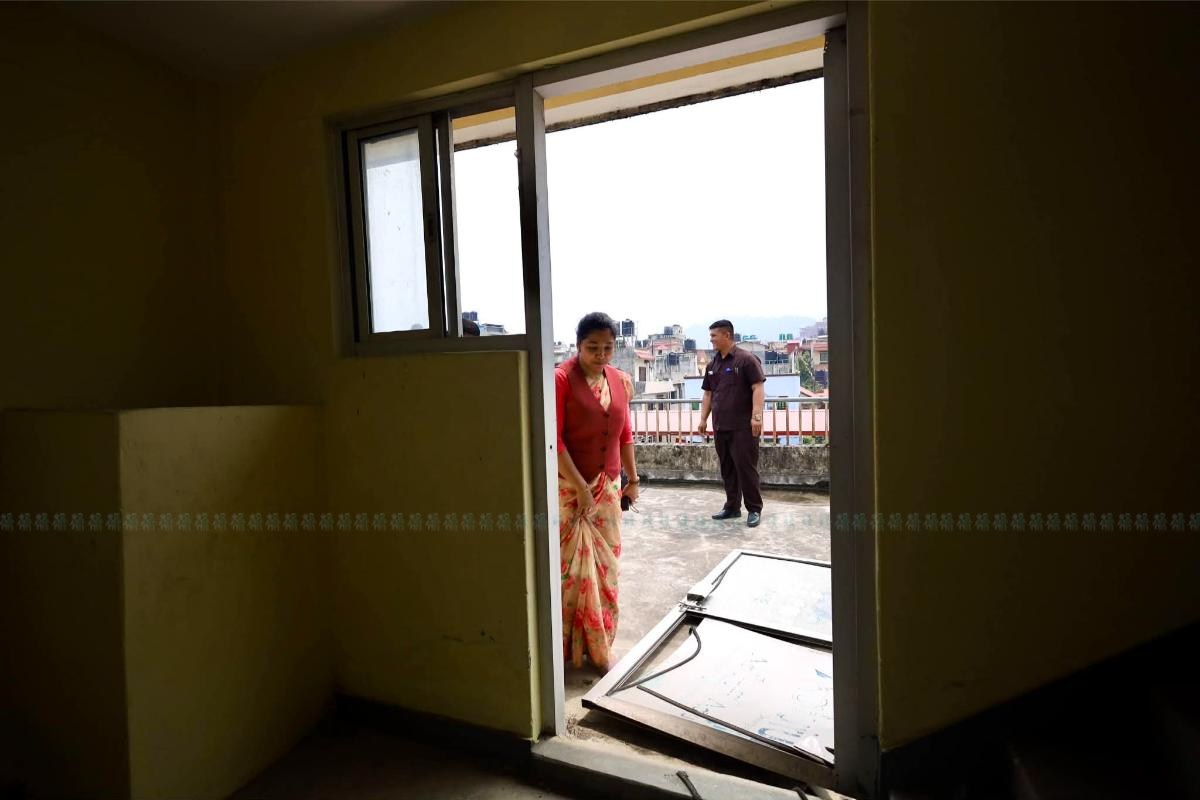
Kathmandu Metropolitan City (KMC) officials inspected the rooms only on Sunday. Acting Mayor Sunita Dangol visited the apartment complex in the afternoon for an inspection.
Asim Shah, political advisor to Prime Minister Balen Shah, said that the squatters would be moved there within a week.
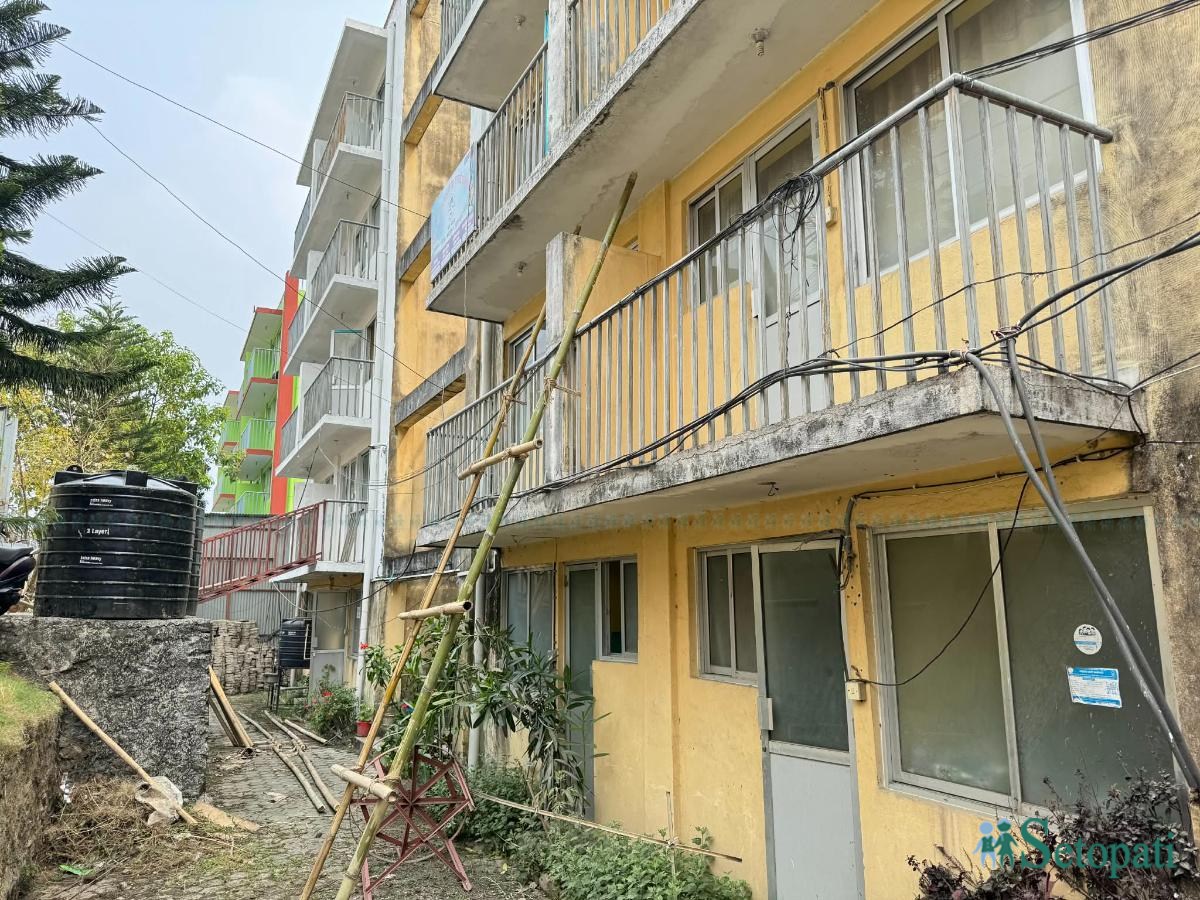
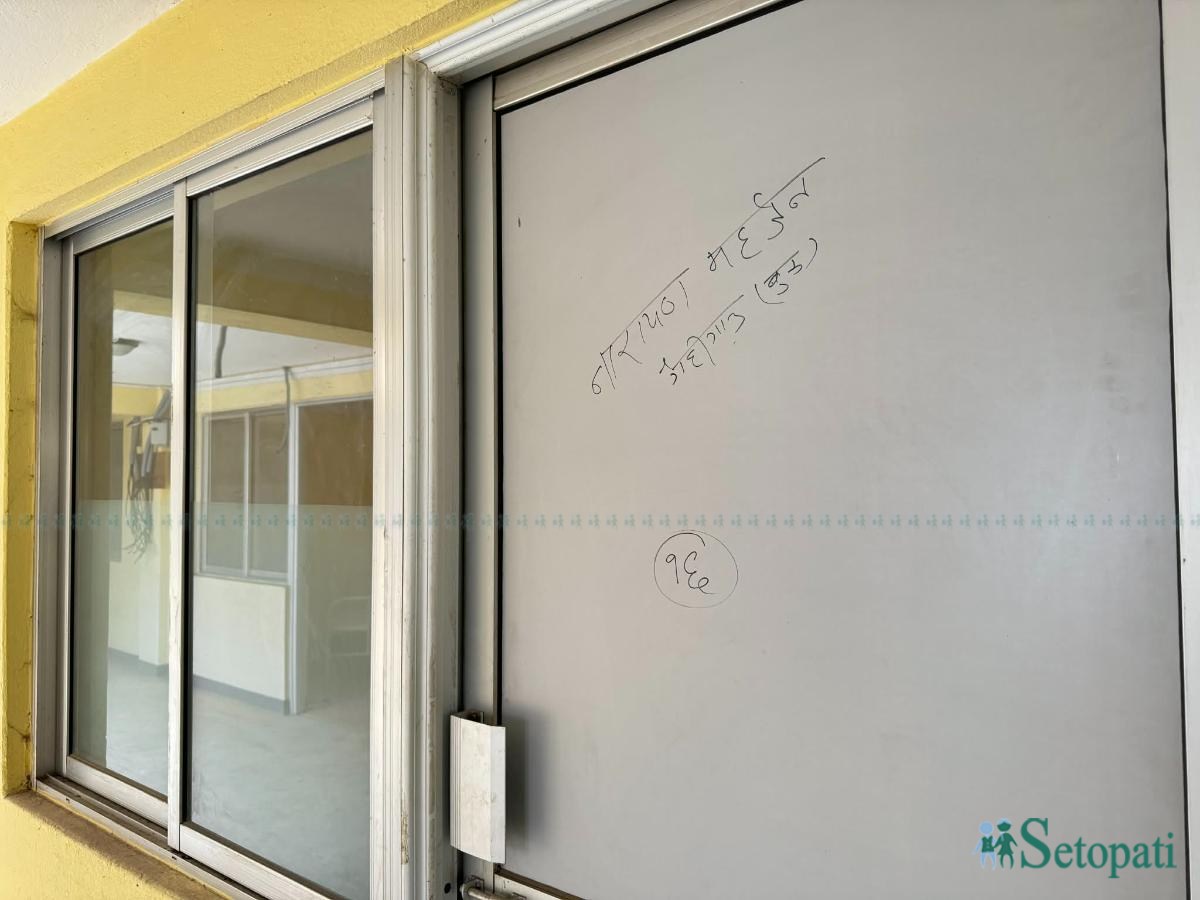
The site consists of three buildings, which currently house the Ward No. 1 office, a police post, a health office, and the Raniban Nasidhoka Water Supply and Sanitation Consumer Committee office.
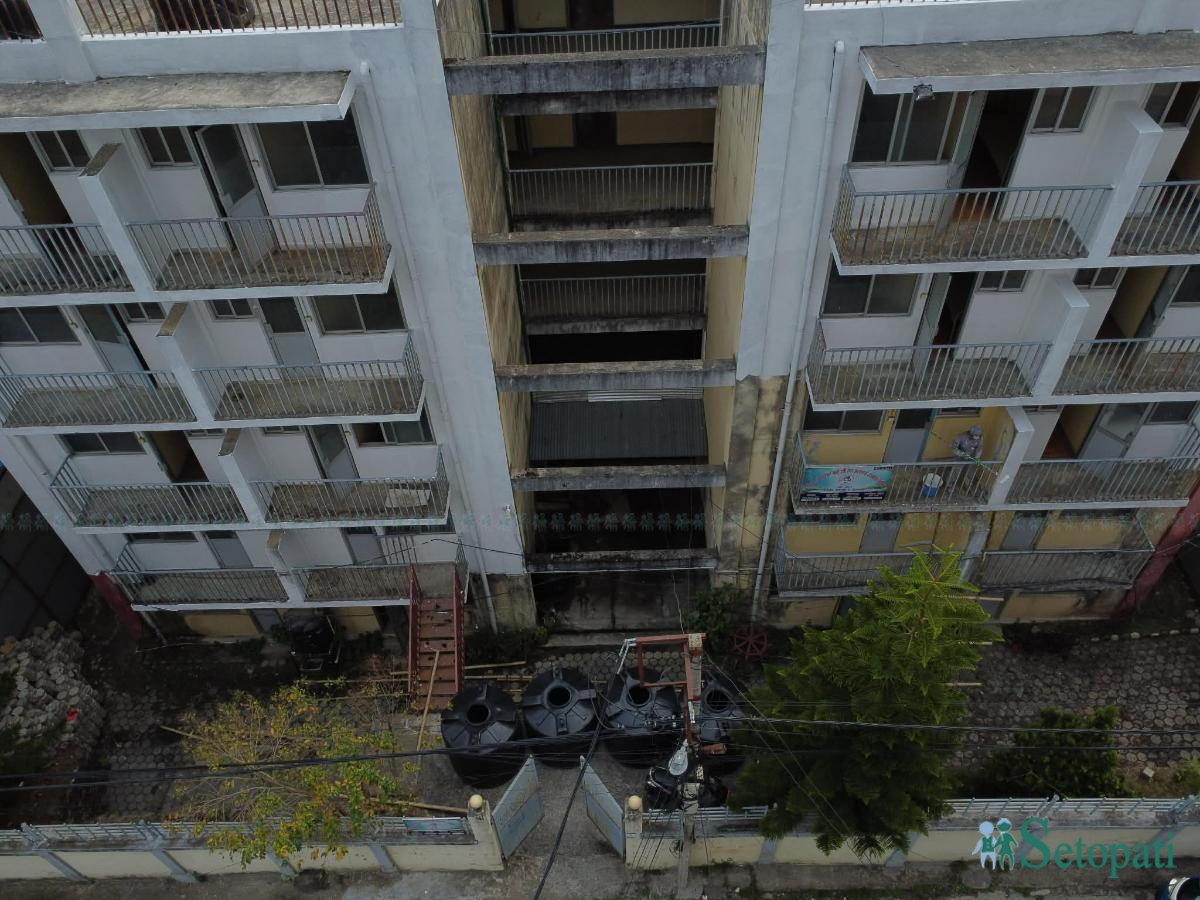
One building currently houses 54 elderly individuals under the care of Manav Sewa Ashram, while another remains in a state of ruin. Cleaning efforts only began after the settlements were demolished.
These buildings were constructed in 2012 during Baburam Bhattarai's premiership to house squatters and low-income groups. However, the government at that time also failed to clear the settlements, and local residents also protested the relocation plan.
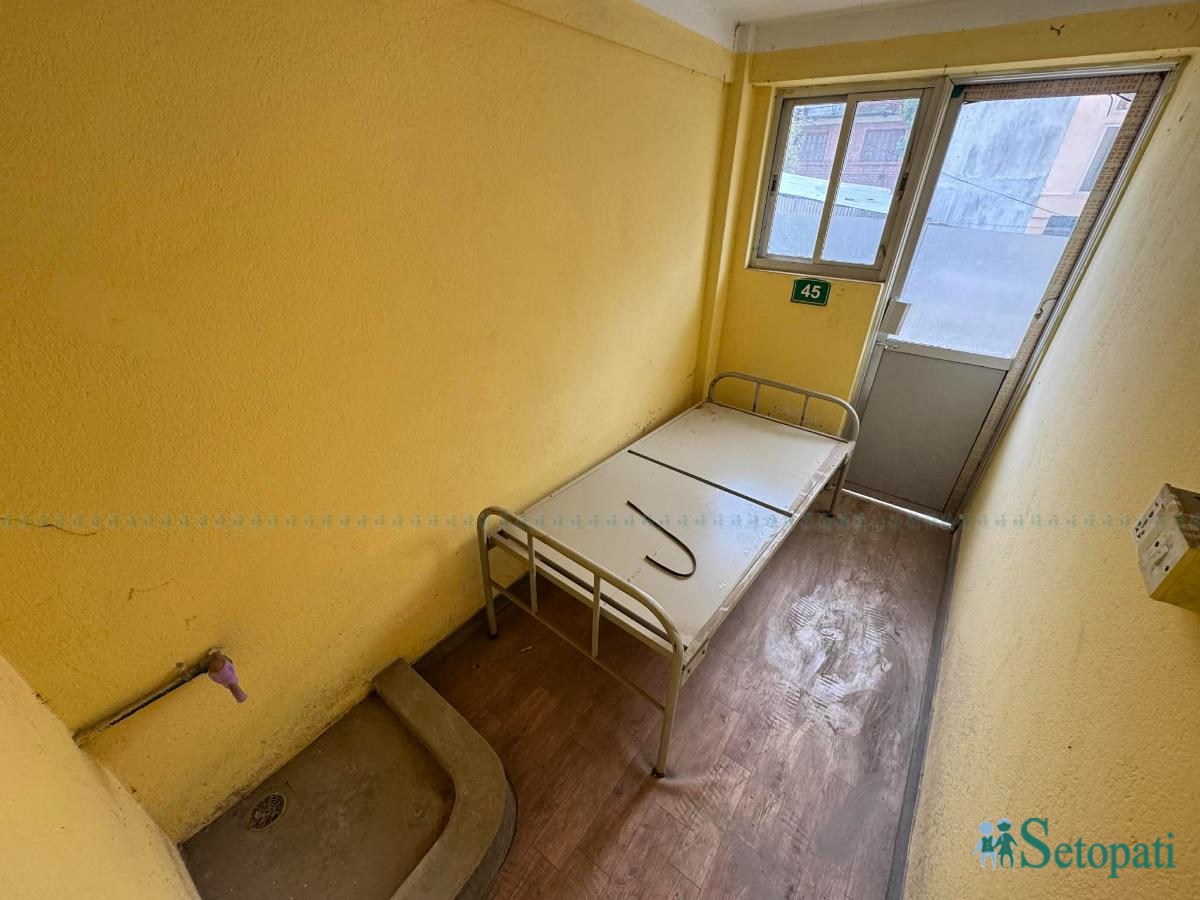
It appears the apartments were built haphazardly without studying what kind of housing is suitable for squatter families.
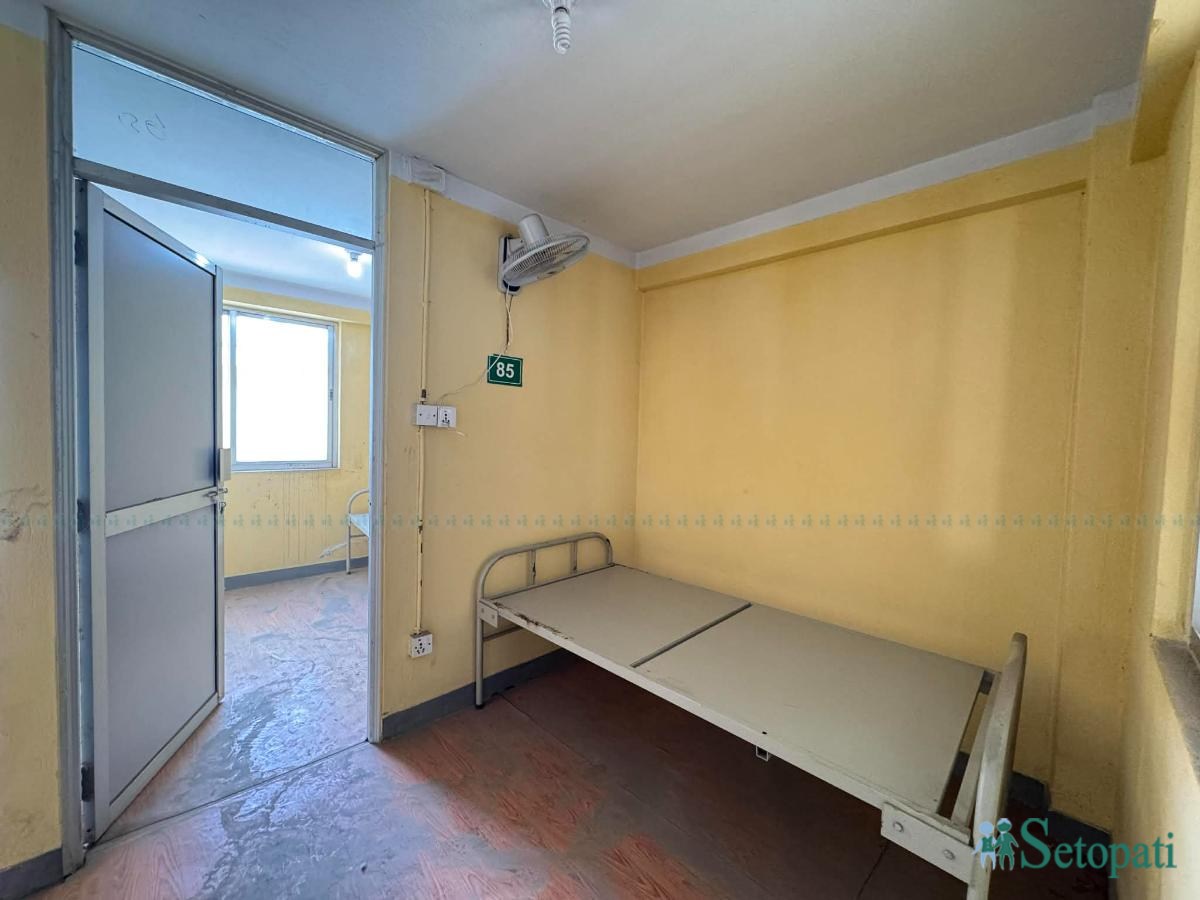
Each flat consists of only one room, one kitchen, and one bathroom, making it nearly impossible for a family – including parents, children, and grandchildren – to live together in a single room. Consequently, squatters showed little interest in moving there even back then.
Furthermore, the government has not clarified whether ownership of these apartments will be transferred to the residents. Many previously refused to move there, fearing that without ownership, the arrangement would be no different from staying in a rented room.