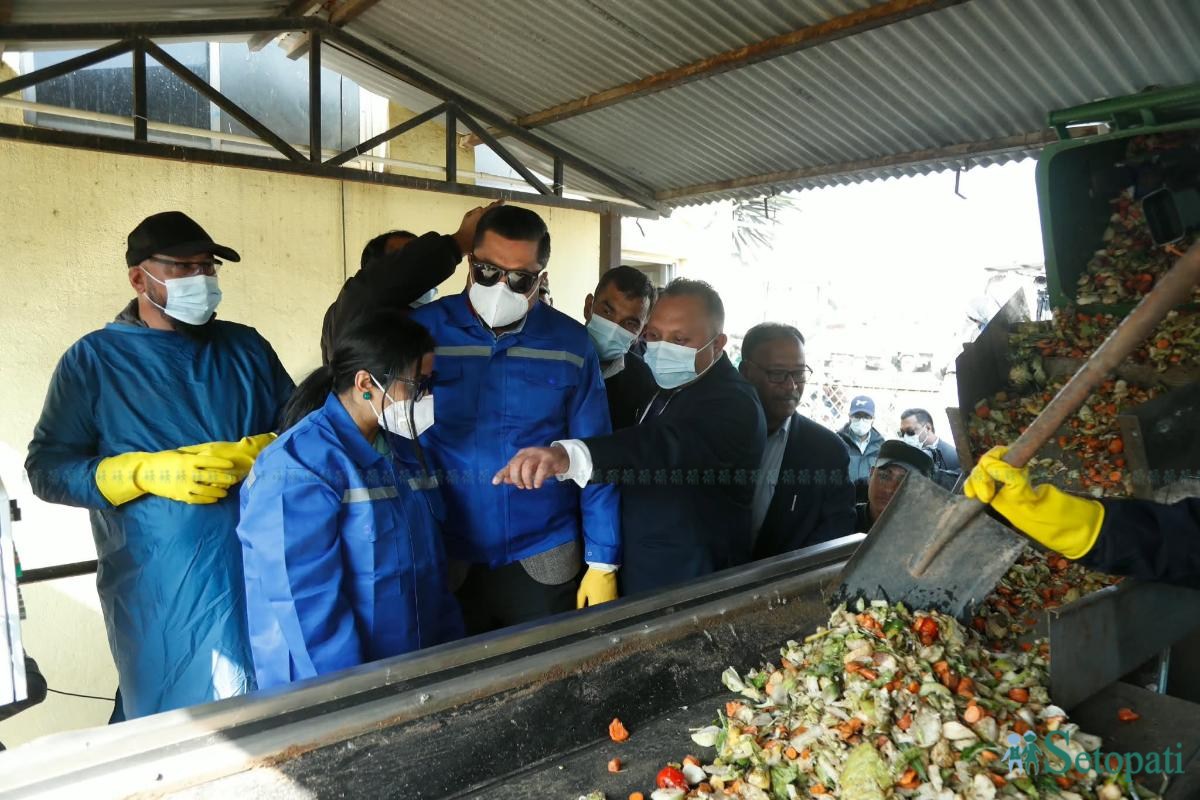
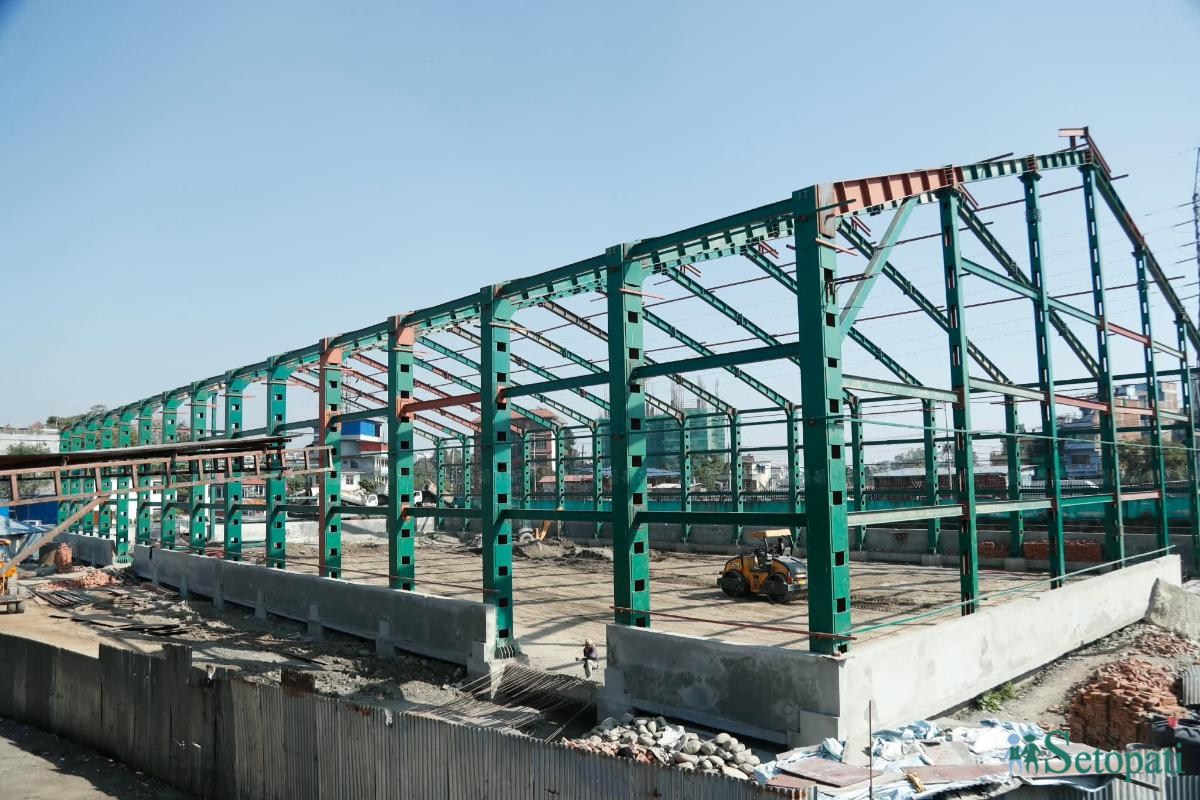
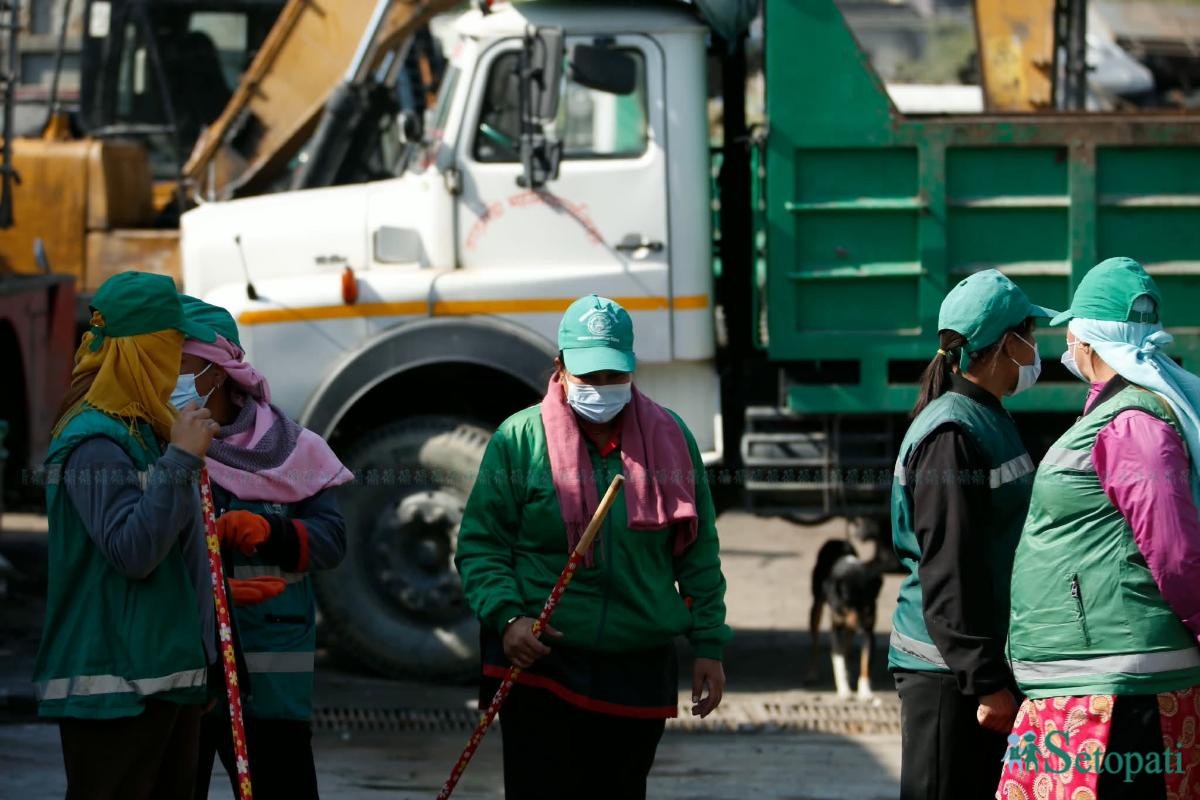
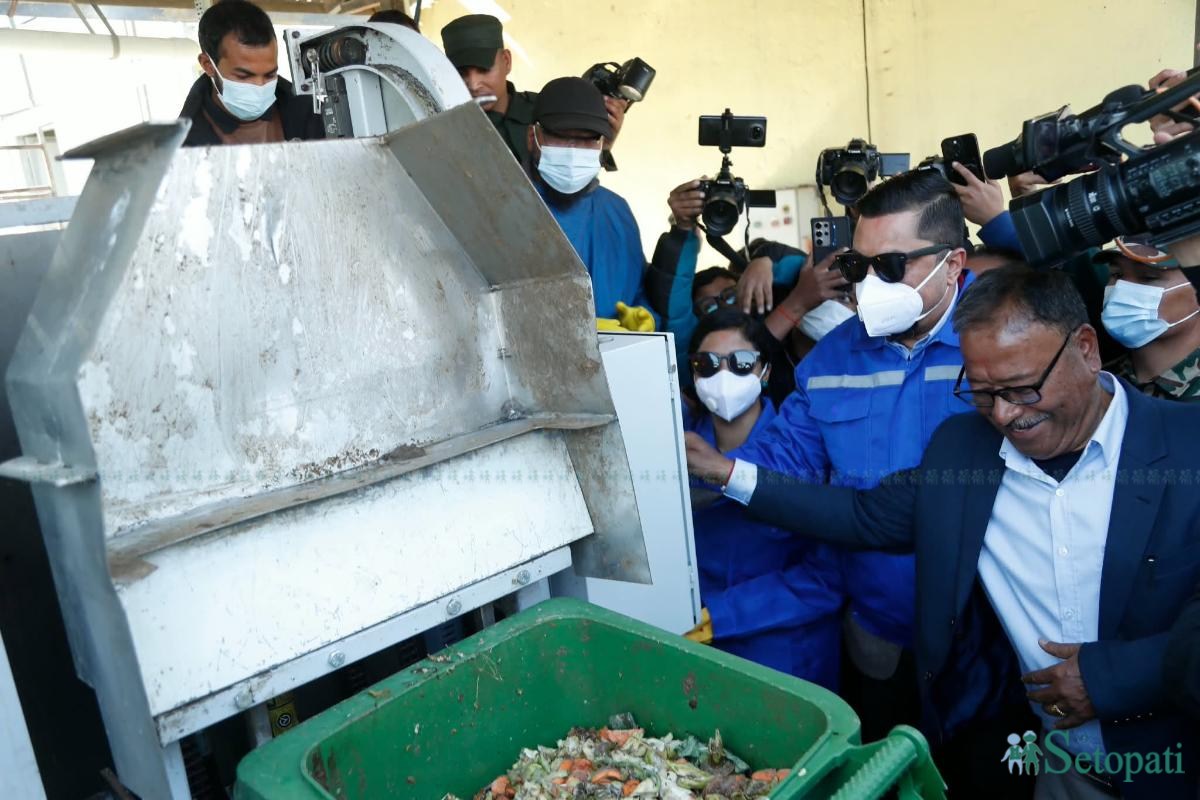
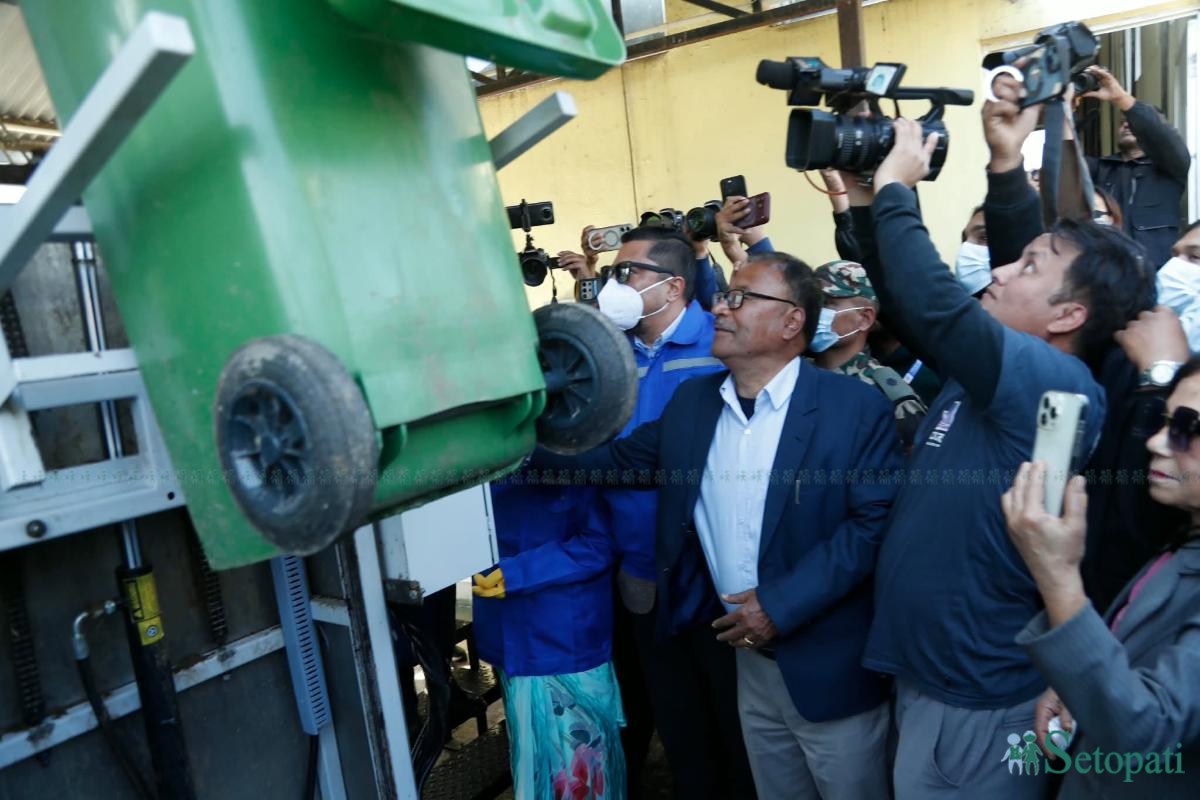
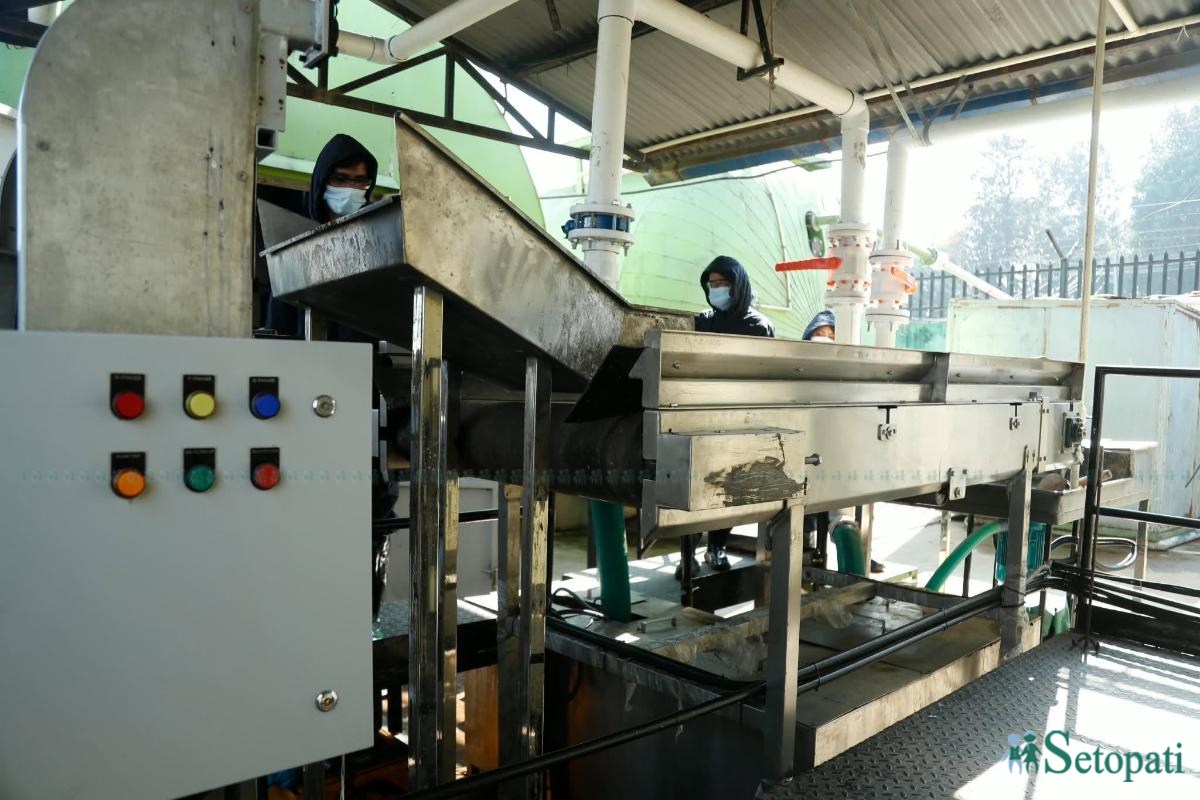
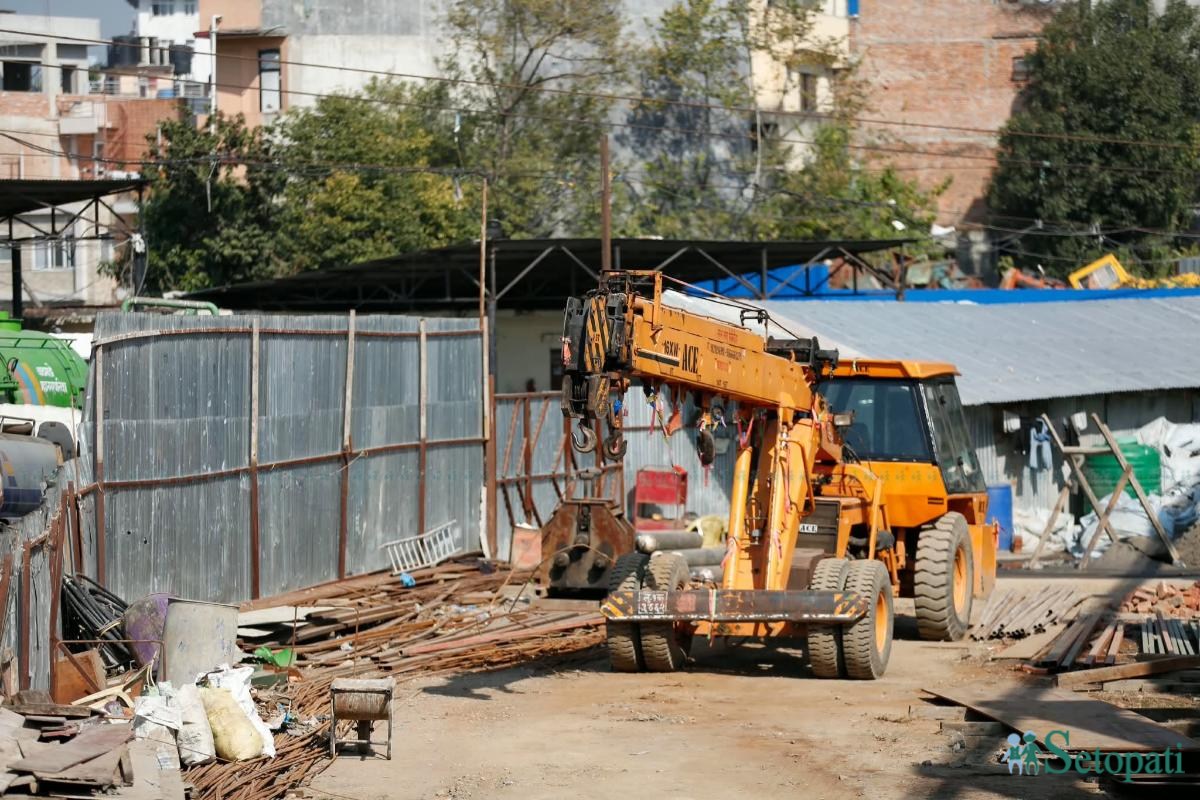
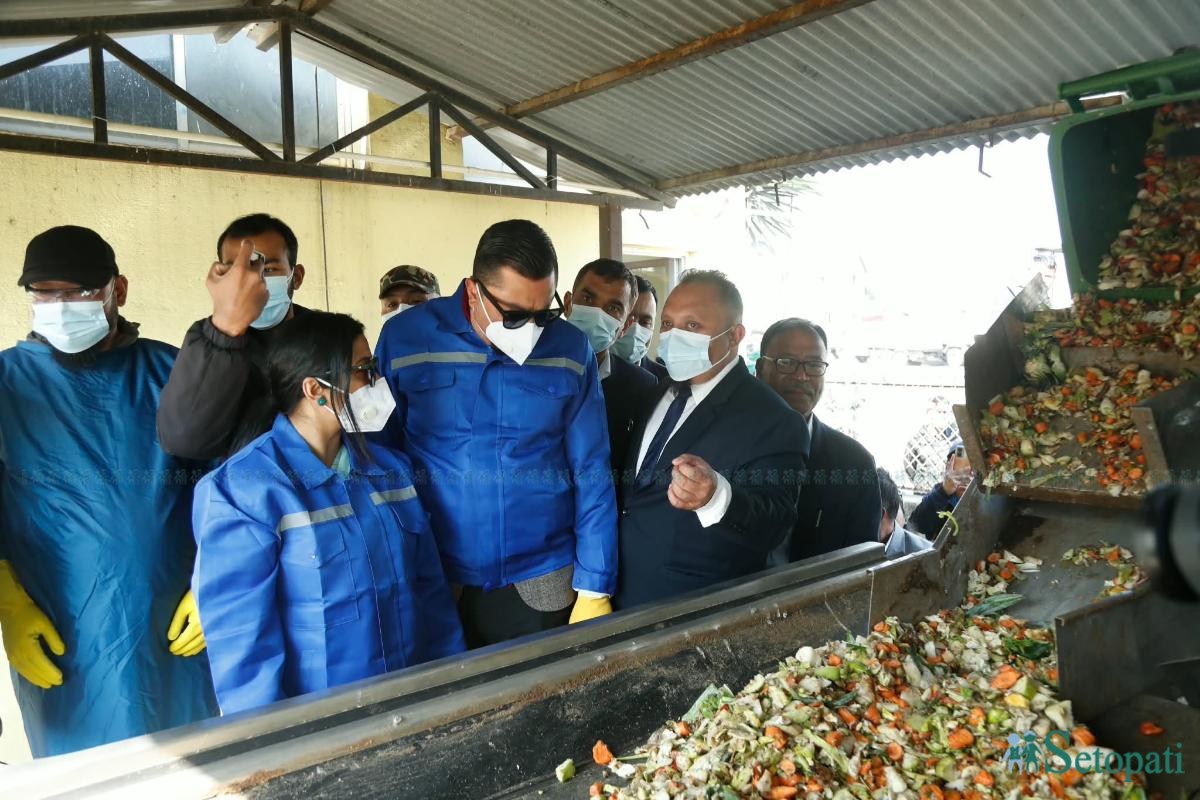
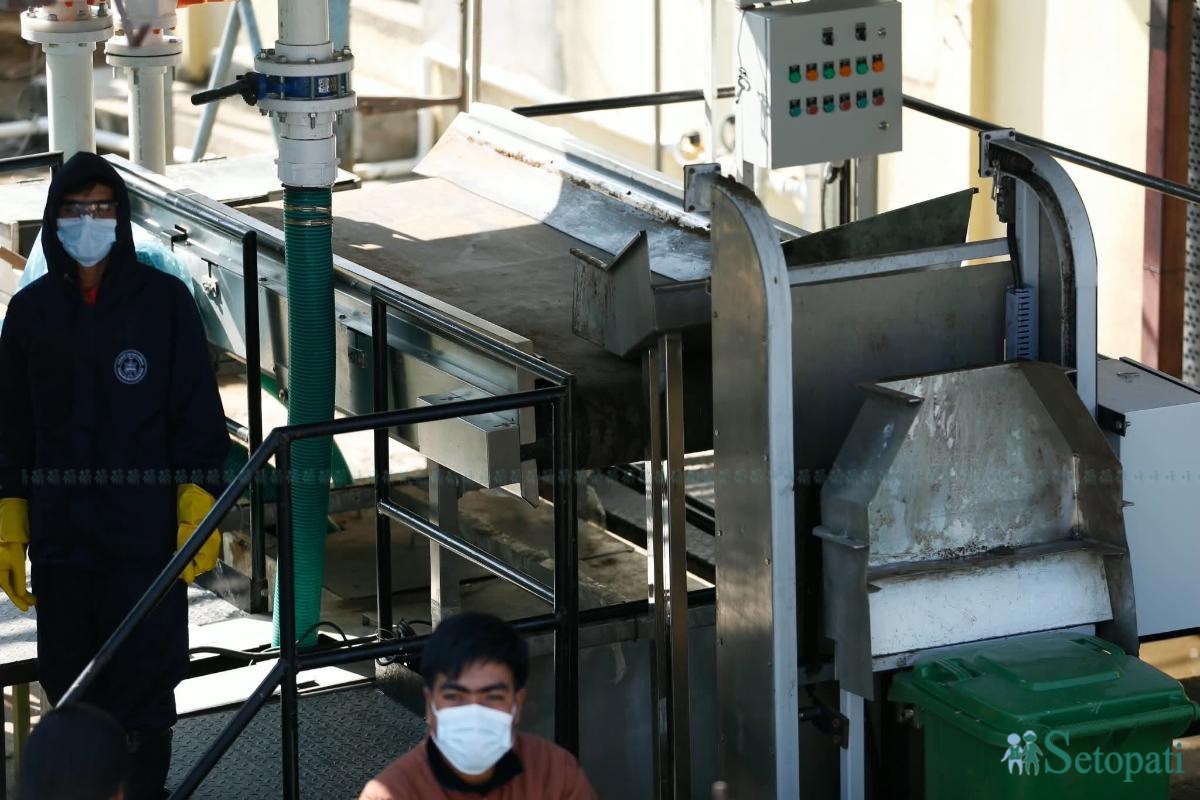
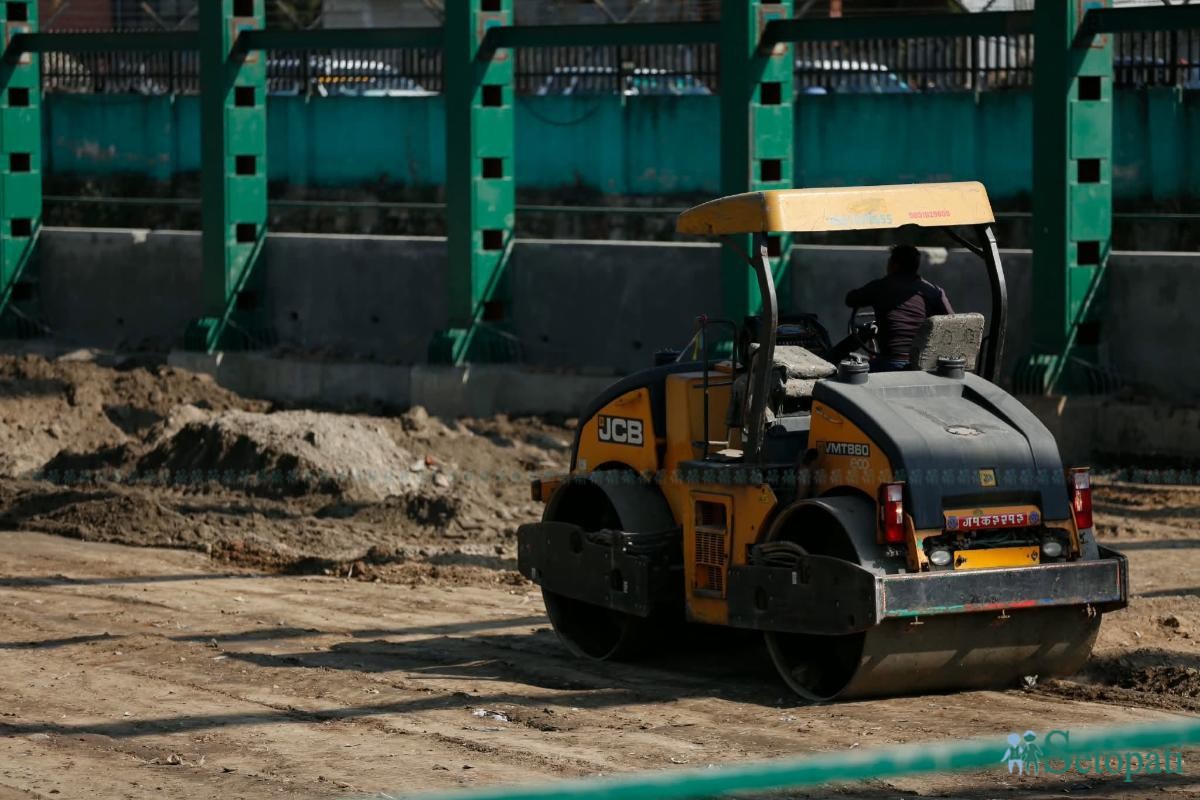
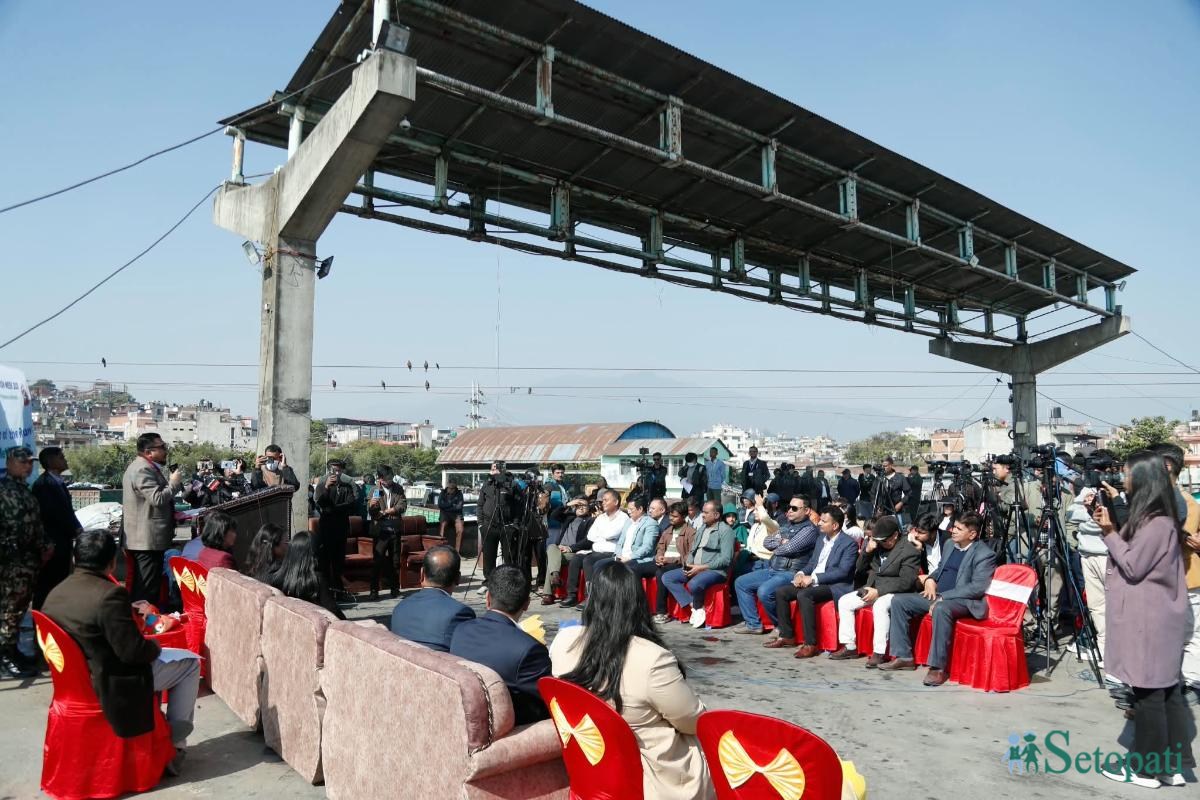
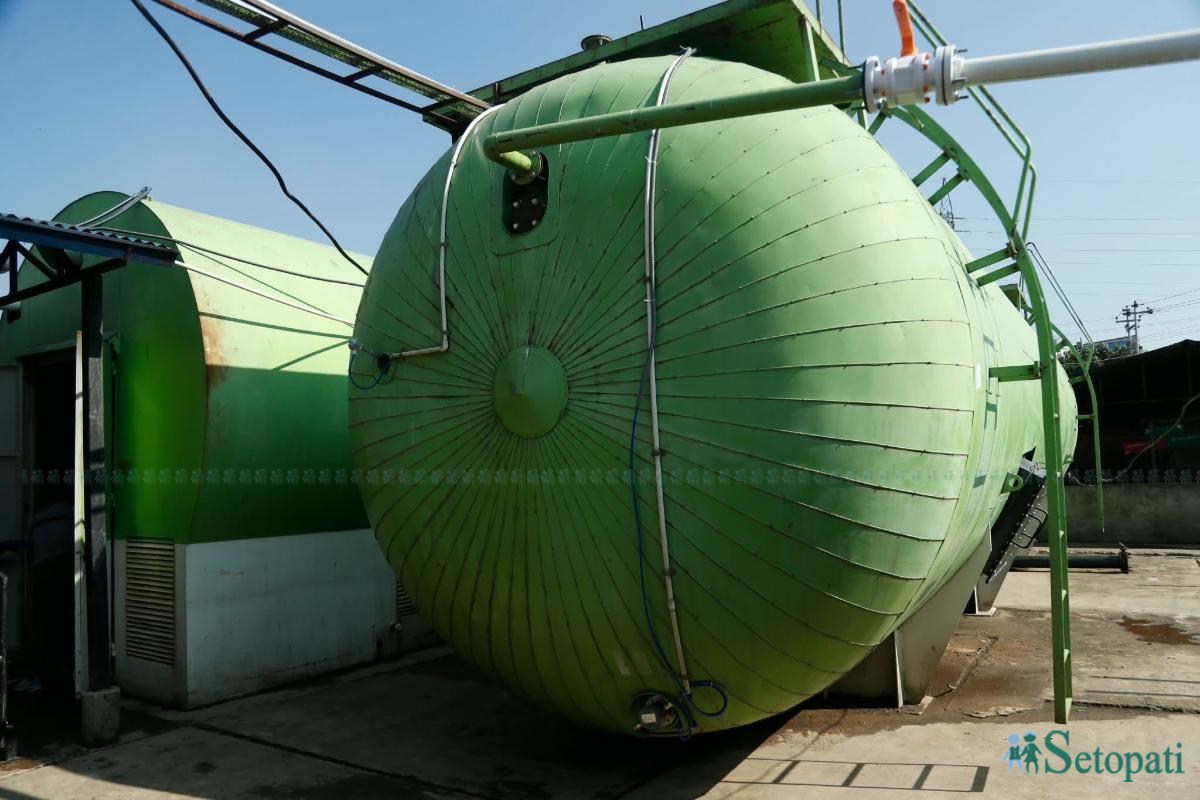
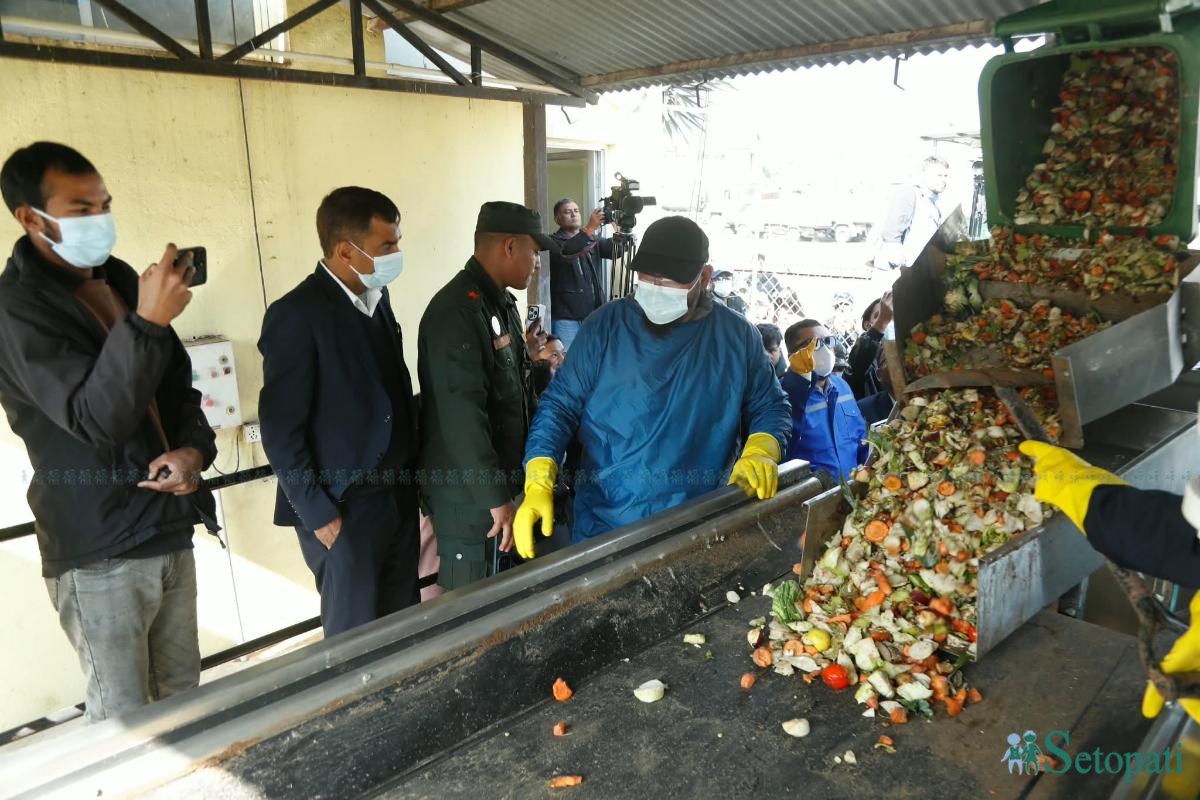
The waste-to-energy plant in Teku, Kathmandu, which had remained shut for a long time, has resumed operation.
The plant was reconstructed through collaboration between Kathmandu Metropolitan City (KMC) and the Alternative Energy Promotion Center (AEPC). Following test production on Wednesday, it was handed over to the metropolitan city.
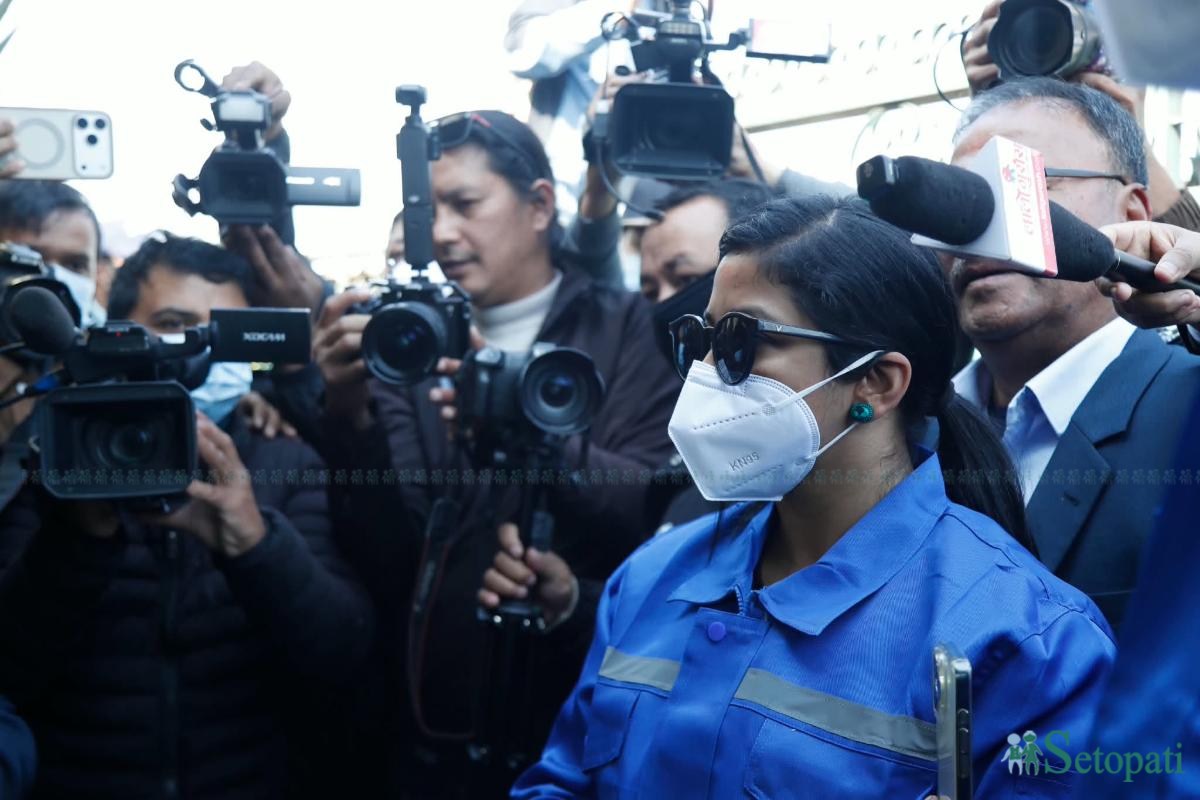
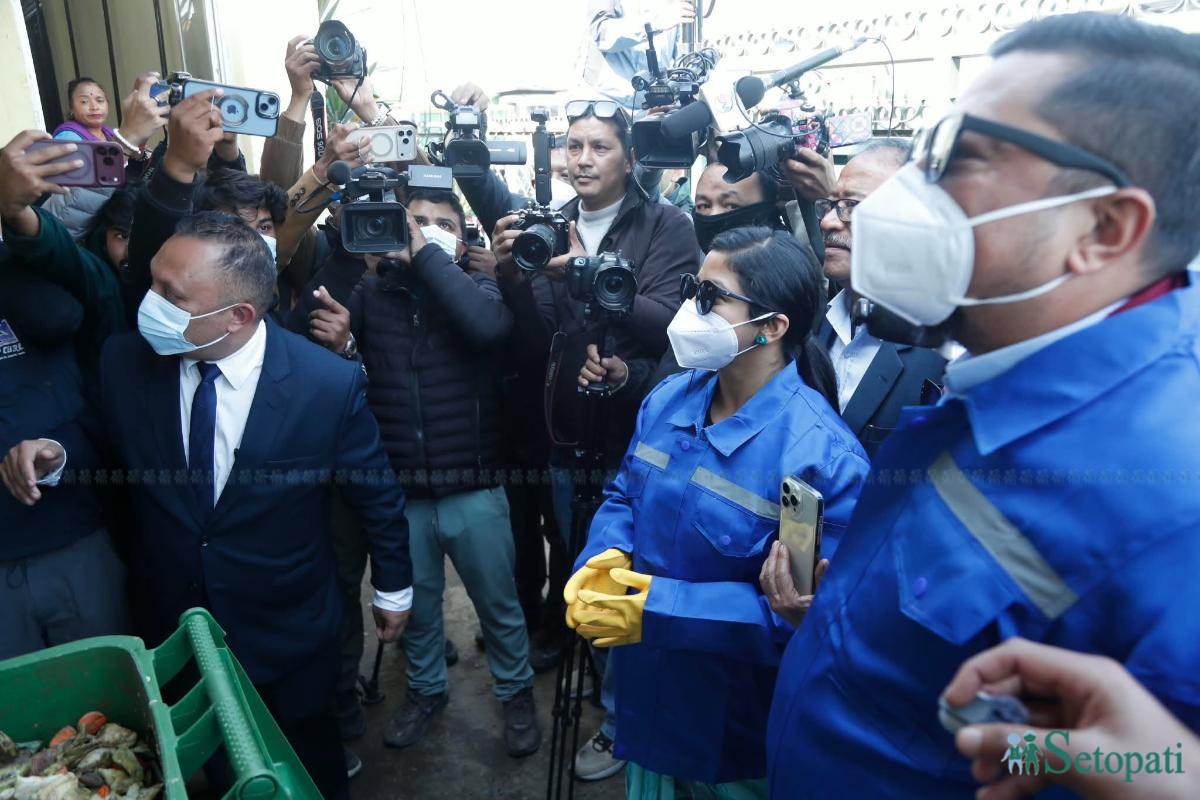
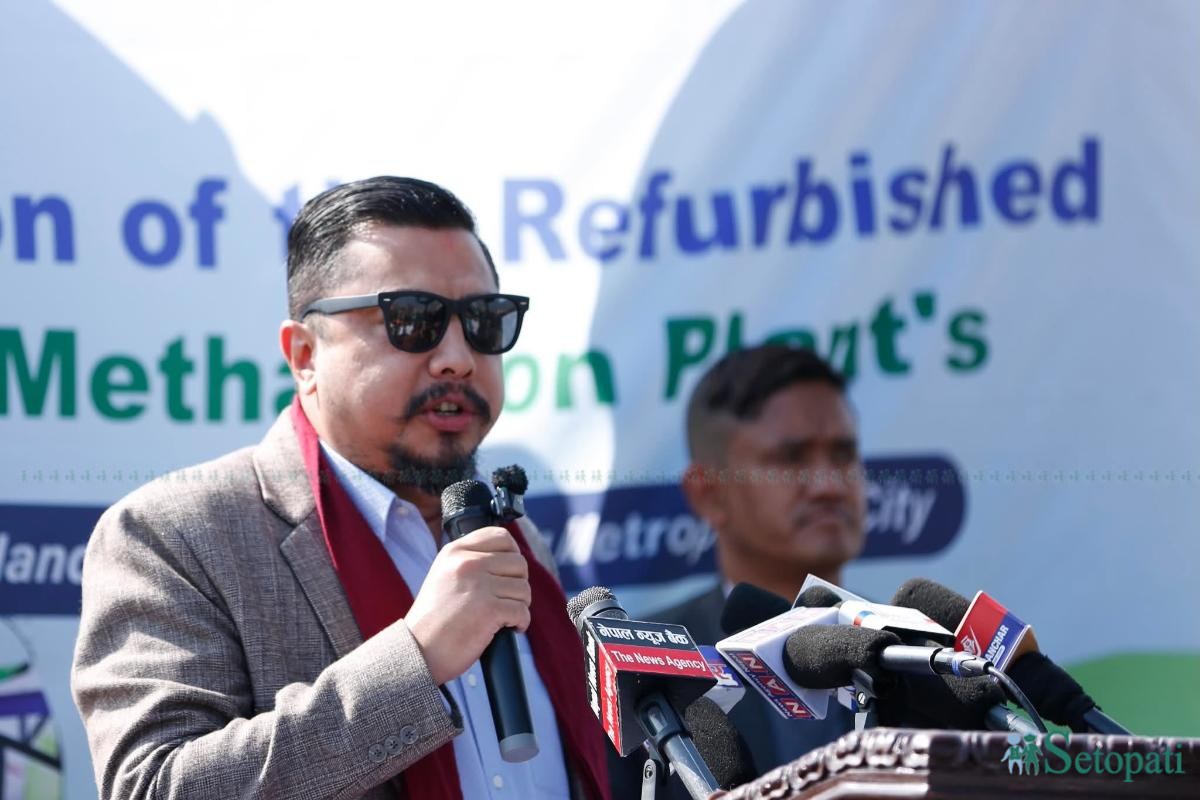
The test run and handover took place during an event held on Wednesday in the presence of Minister for Energy, Water Resources, and Irrigation Biraj Bhakta Shrestha.
Established in 2017 with support from the European Union, the plant had remained closed for a long time after failing to come into operation.
An agreement was signed between Kathmandu Metropolitan City and the Alternative Energy Promotion Center on August 3 to bring the plant back into operation and ensure its sustainable management.
The reconstruction work was completed in accordance with the agreement, the center said.
At the event, Minister Shrestha said that linking waste management with energy production was an important achievement for urban areas. He said that utilizing locally available organic resources to generate energy could help reduce petroleum imports and contribute to environmental protection.
Stressing that Nepal’s energy development should not be limited to hydropower, Minister Shrestha said that renewable energy sources such as solar power, biogas, and waste-to-energy production should also be prioritized for development and utilization.
Acting Mayor of Kathmandu Metropolitan City Sunita Dangol expressed satisfaction that the project had been completed on schedule and said that the city would continue collaborating with the Alternative Energy Promotion Center in the future.
AEPC Executive Director Nawaraj Dhakal said that the plant had been reconstructed and handed over. He expressed gratitude to Kathmandu Metropolitan City, the World Bank, and the companies involved in construction and installation for their support.
Under the Renewable Energy Expansion Program, which has been running since 2014 with World Bank support, waste-to-energy projects have been advanced in various municipalities across Nepal.
The center said that seven municipalities are currently implementing such projects under the World Bank-supported Mini Grid Energy Access Program. It has also provided support to more than 20 large-scale commercial biogas projects.
Such waste-to-energy plants can help manage biodegradable waste, which is a major urban challenge, while also producing biogas and organic fertilizer.
The projects are also expected to contribute to environmental protection and the development of a circular economy.