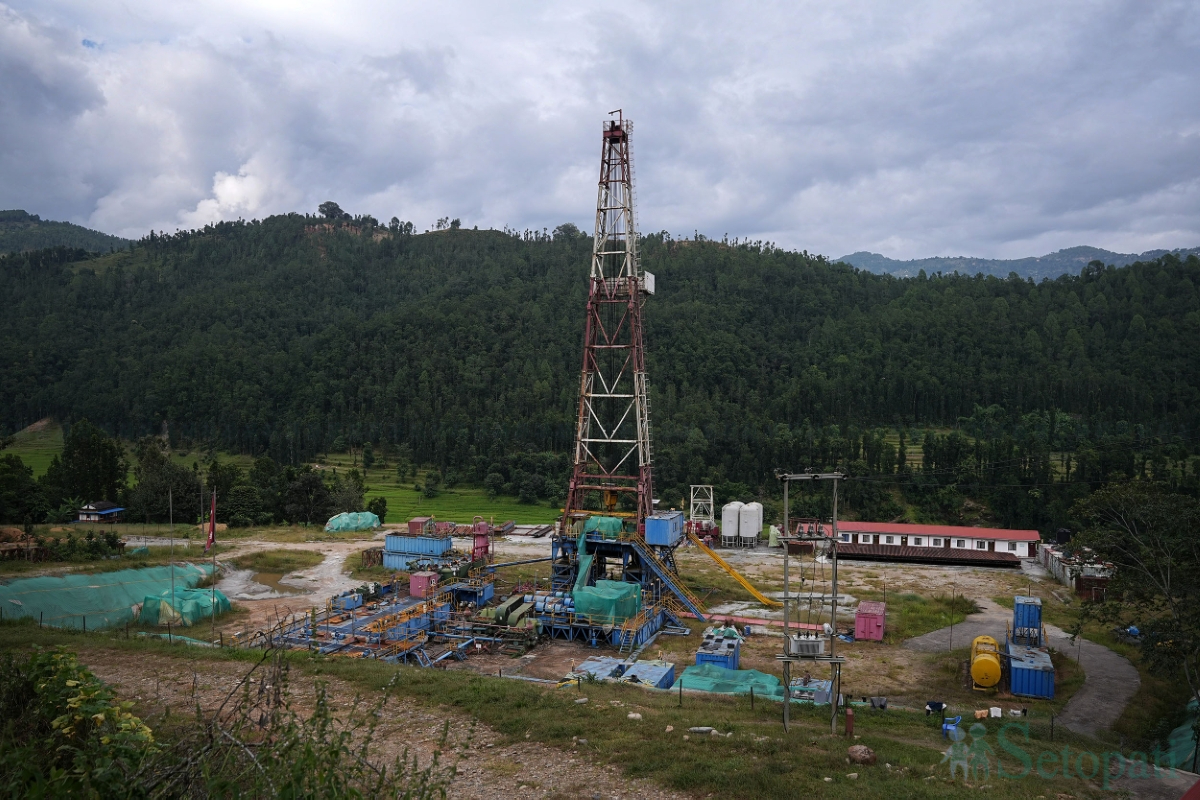
The petroleum exploration project in Dailekh, considered a potential reserve of petroleum and natural gas in Nepal, has completed its first phase and is now awaiting commercial extraction.
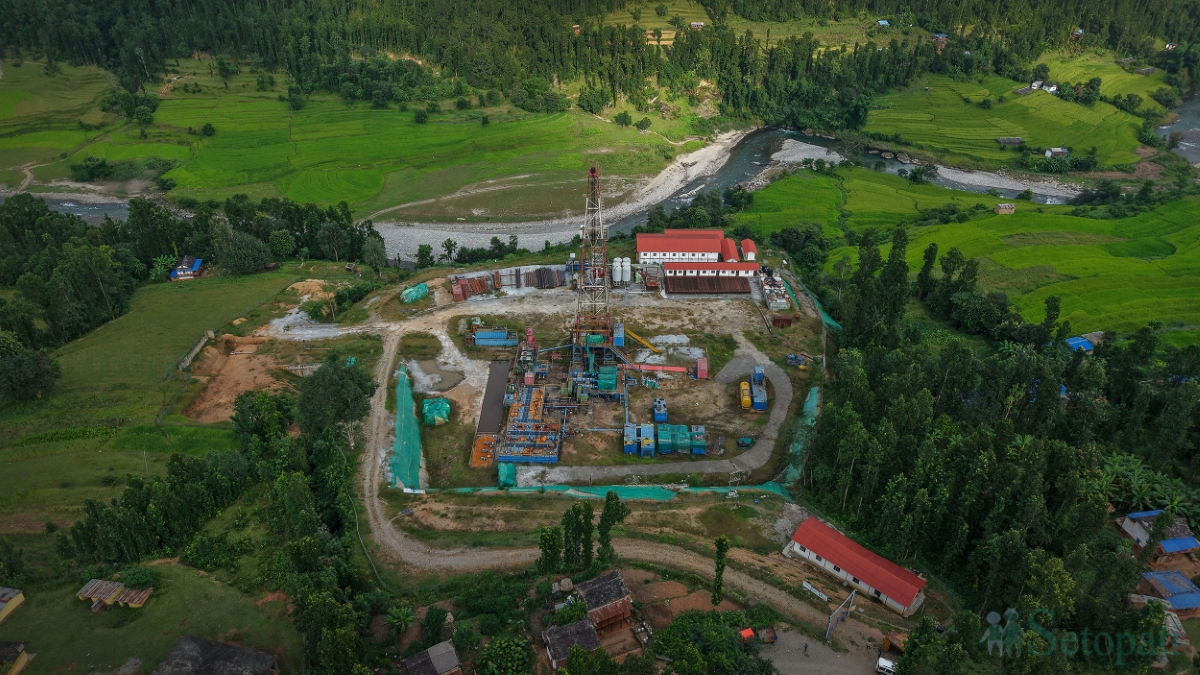
Under the project, operated with financial and technical assistance from the Chinese government, drilling at Jaljale in Bhairabi Rural Municipality-1, Dailekh, has confirmed a large reserve of natural gas.
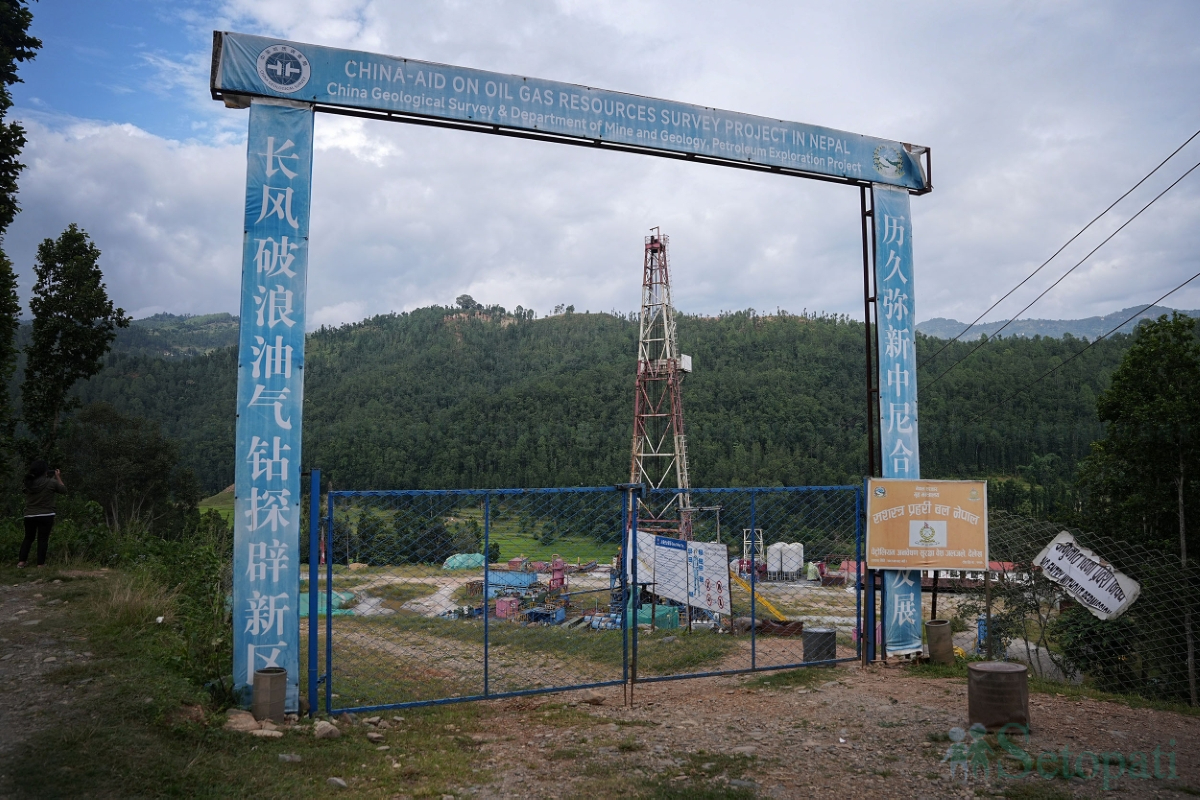
Petroleum exploration in Dailekh began in 2019 under a collaboration between Nepal's Department of Mines and Geology and the China Geological Survey (CGS).
The project, initiated on the basis of an understanding reached between Nepal and China in 2016, is considered an important undertaking for Nepal's energy sector.
The governments of Nepal and China signed an agreement on petroleum exploration and extraction on February 28, 2019.
China agreed to provide grant assistance of approximately Rs 2.5 billion for the project.
Although the initial target was to complete exploration within three years, the project faced delays due to the COVID-19 pandemic, geographical challenges, inadequate road infrastructure, transportation of equipment, and land acquisition, among other factors.
During the first phase, the Chinese technical team conducted geological surveys, seismic surveys, magnetotelluric surveys, and geochemical sampling, among other studies. After these investigations identified potential areas containing petroleum and natural gas, Jaljale was selected as the drilling site.
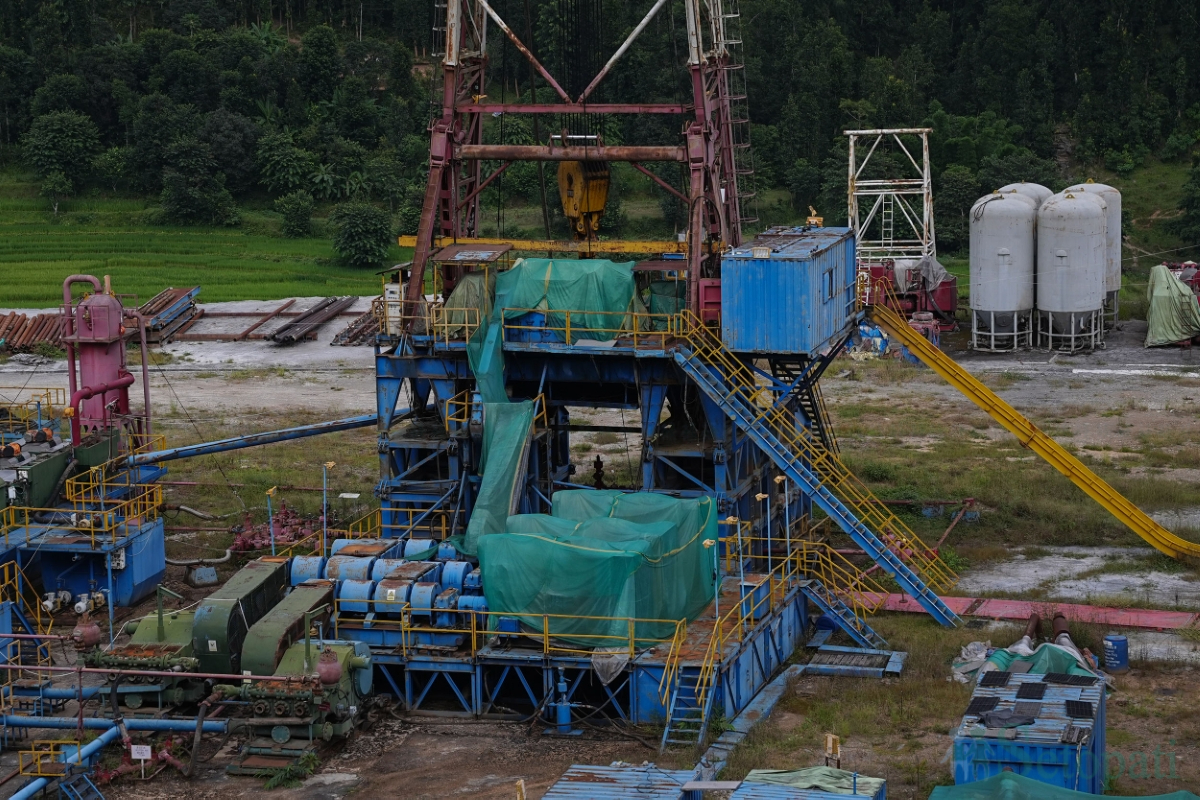
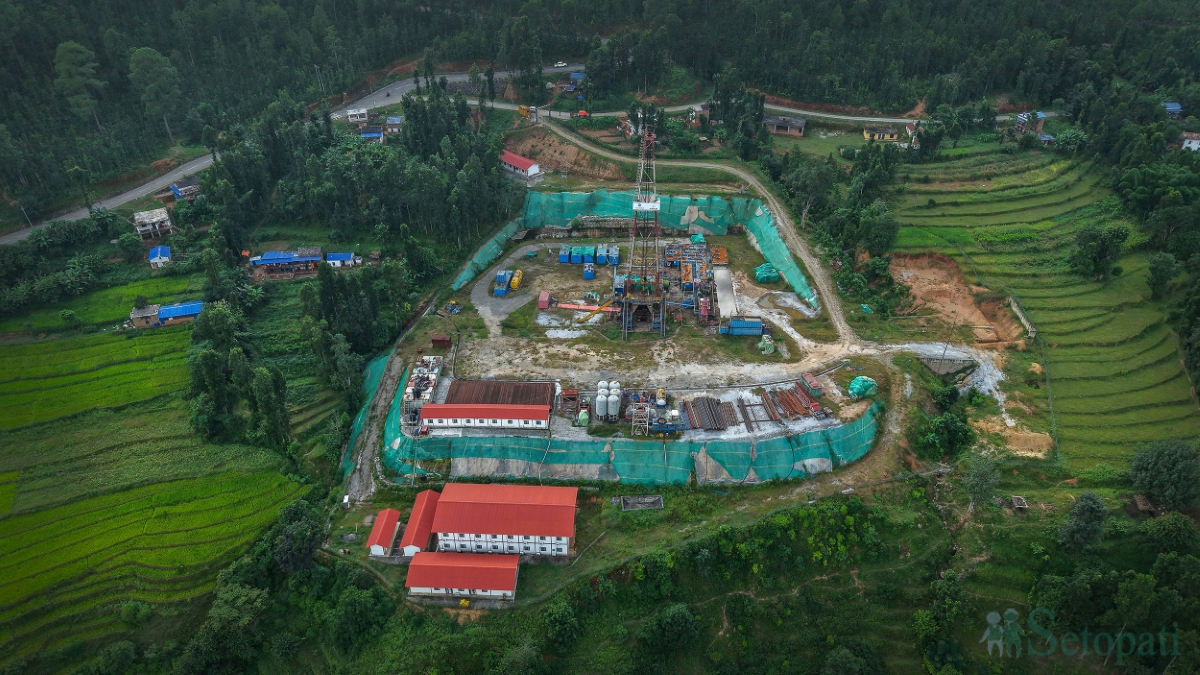
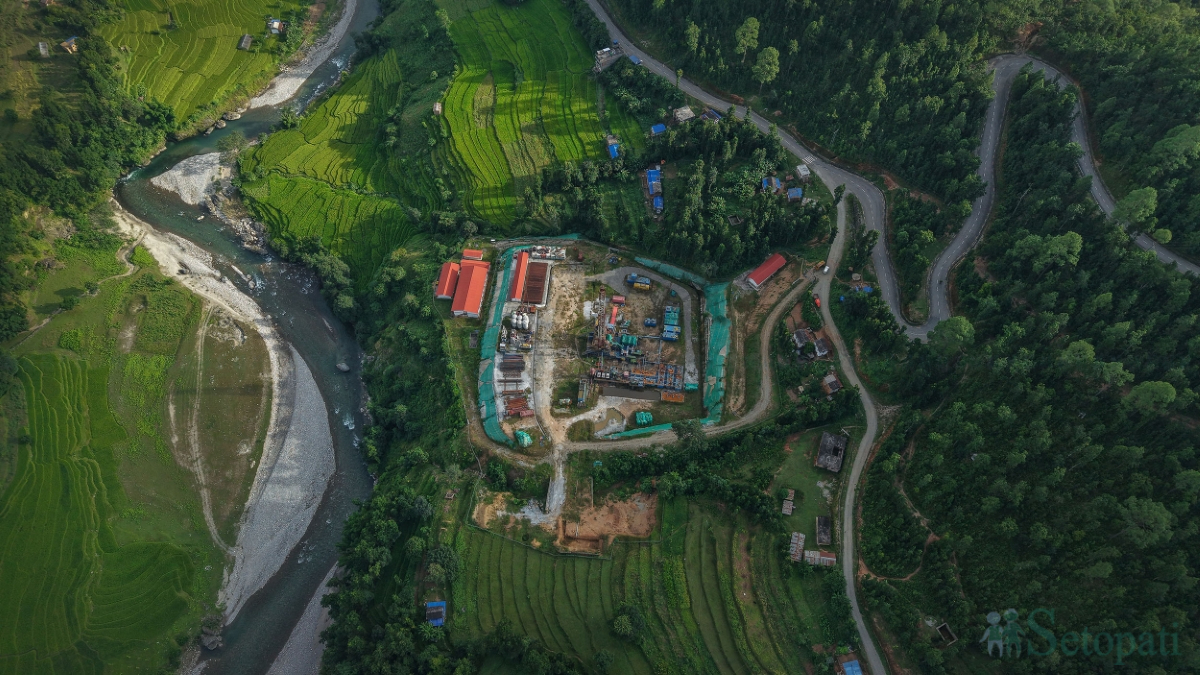
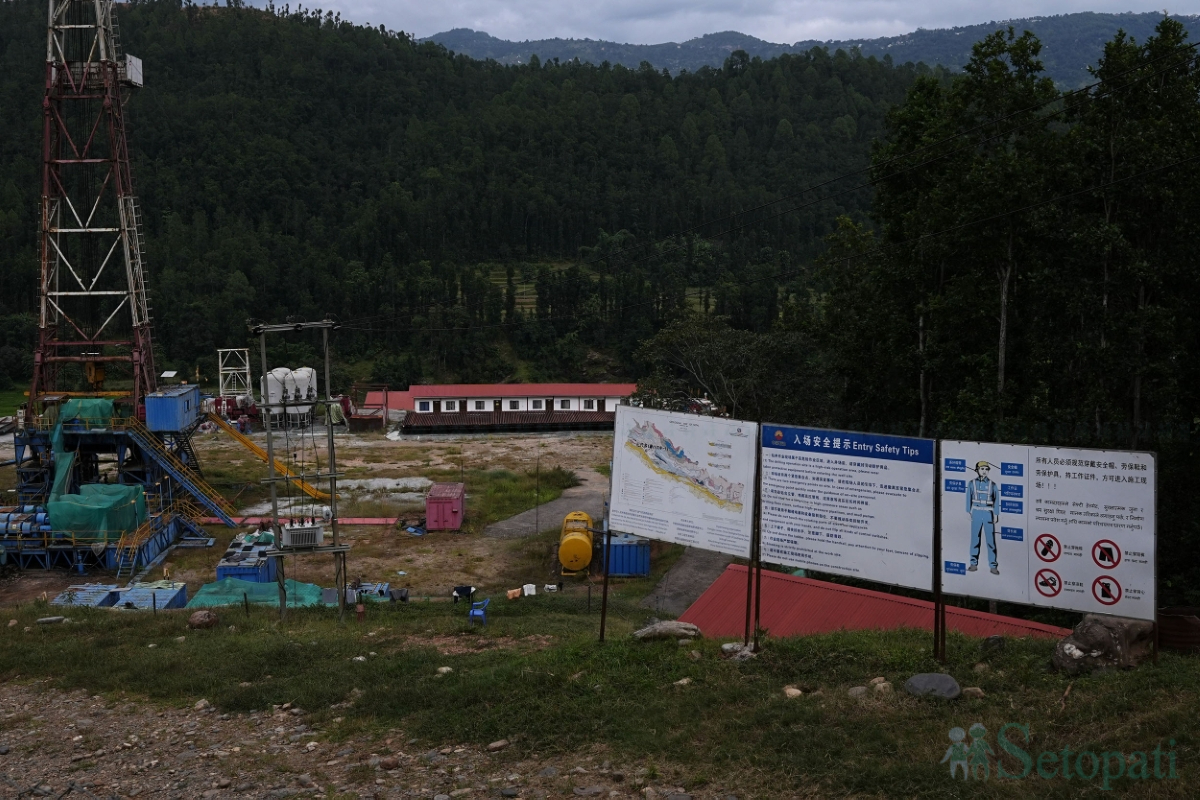
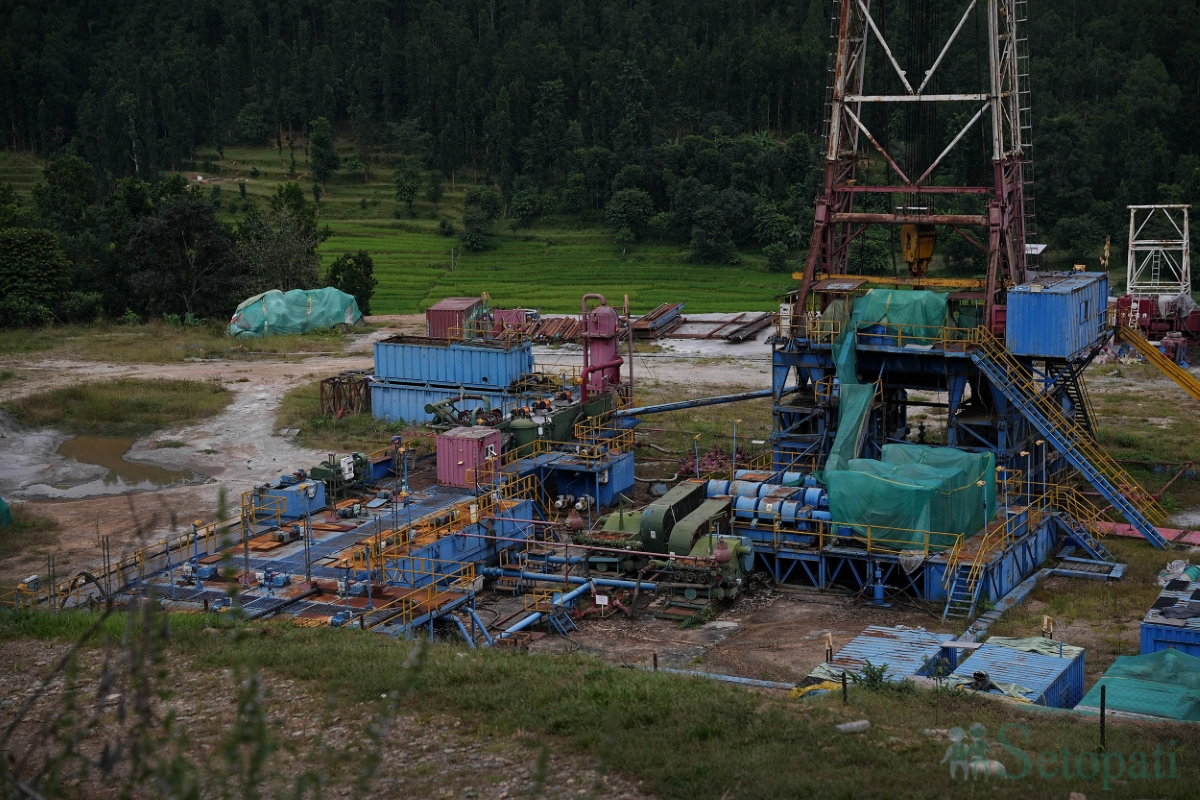
For this purpose, approximately 45 ropanis of land were acquired in Jaljale, Bhairabi Rural Municipality-1, and the necessary infrastructure was constructed. Drilling began in May 2024 and reached a depth of 4,013 meters below the ground.
Soil and rock samples collected during drilling were sent to China for laboratory testing.
80.7 billion cubic meters of natural gas reserve identified
According to the study report prepared by the Chinese technical team, approximately 80.7 billion cubic meters of natural gas have been confirmed in the Jaljale area. Earlier preliminary studies had estimated that the area could contain up to 112 billion cubic meters of gas.
However, identifying a gas reserve does not mean commercial production can begin immediately.
The Department of Mines and Geology says further tests are necessary to determine the gas quality, pressure, flow capacity, and commercial viability of extraction. In particular, the production potential and the technology required can only be determined after well testing.
Preparations underway for agreement on second phase
Although the first phase of drilling and exploration has been completed, the second phase has yet to move forward. The project has stalled due to pending testing procedures and the absence of a further agreement with China.
According to the Department of Mines and Geology, internal preparations for a second-phase agreement with the China Geological Survey began in May 2026, with the aim of moving the project toward commercial production under the Nepal-China understanding of 2016 and the agreement of 2019.
However, according to reports published in July 2026, expensive drilling machines and equipment installed at Jaljale remain idle because the second phase of work has not started. Local businesspeople said that some equipment has even begun to rust.
No clear timeline has been made public for the commencement of the second phase.
How could commercial production affect Nepal's economy?
If commercial production of natural gas becomes feasible in Dailekh, Nepal is expected to save a substantial amount of money currently spent on importing petroleum products and gas.
Natural gas can be used as cooking fuel, for industrial operations, electricity generation, and other industrial purposes.
Similarly, commercial production could boost economic activities in Dailekh and the wider Karnali province, create employment opportunities, promote infrastructure development, and attract foreign investment.
However, this would require the construction of gas processing facilities, storage infrastructure, transportation networks, and distribution systems.
Although studies conducted so far indicate significant natural gas reserves in Dailekh, the feasibility of commercial production is yet to be established through further testing.
The main challenges facing the Dailekh petroleum project are therefore conducting additional technical tests, reaching a second-phase agreement between Nepal and China, and developing a clear plan for commercial production.
After years of exploration, the project is now awaiting government initiative and the necessary investment to move toward the production stage.