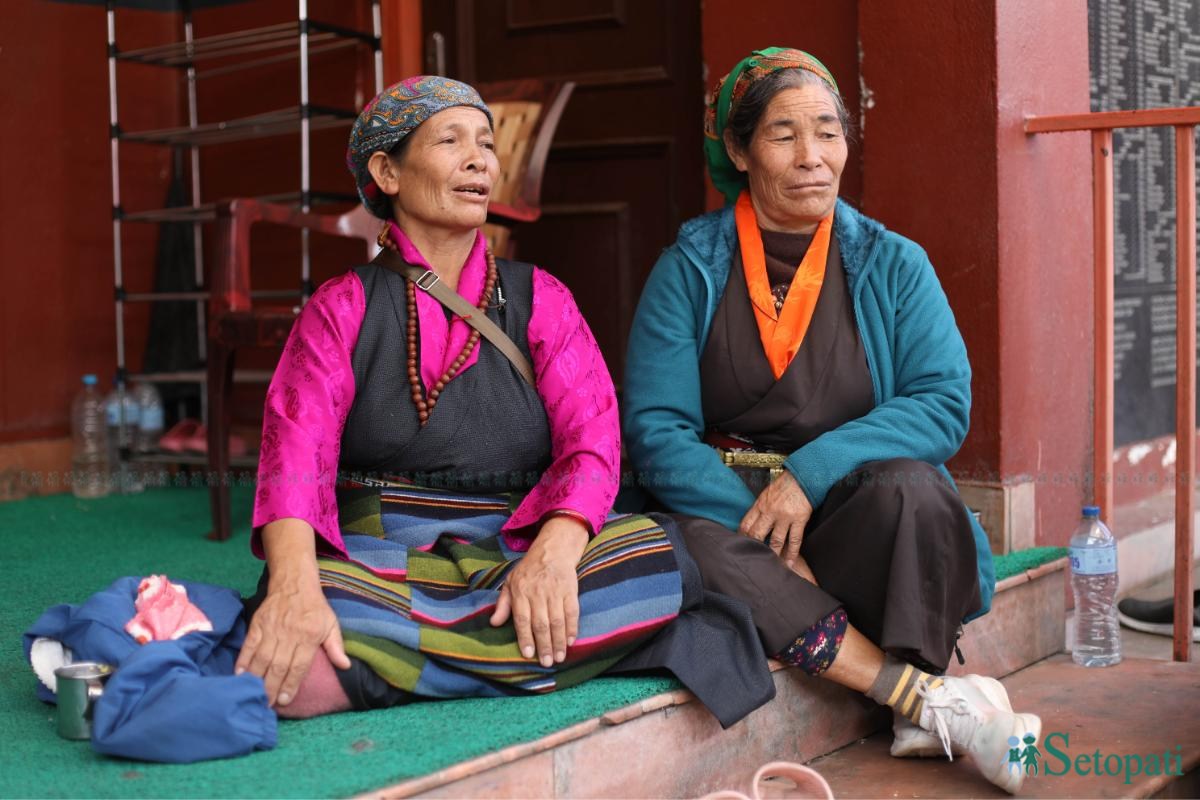
Langrang Tamang, a resident of Timure in Rasuwa district, has been staying at a holding center in Kathmandu for the past two months.
She has neither her husband nor any other family members with her. Living alone, she is worried about where and how she will spend the rest of her life.
“My husband lives separately. My daughter has already married and left. We have no land or property in Timure, nor do we have a house. Whatever little we had was swept away by the floods and landslides,” she said. “The government has not looked after us either. An organization has been taking care of us and feeding us.”
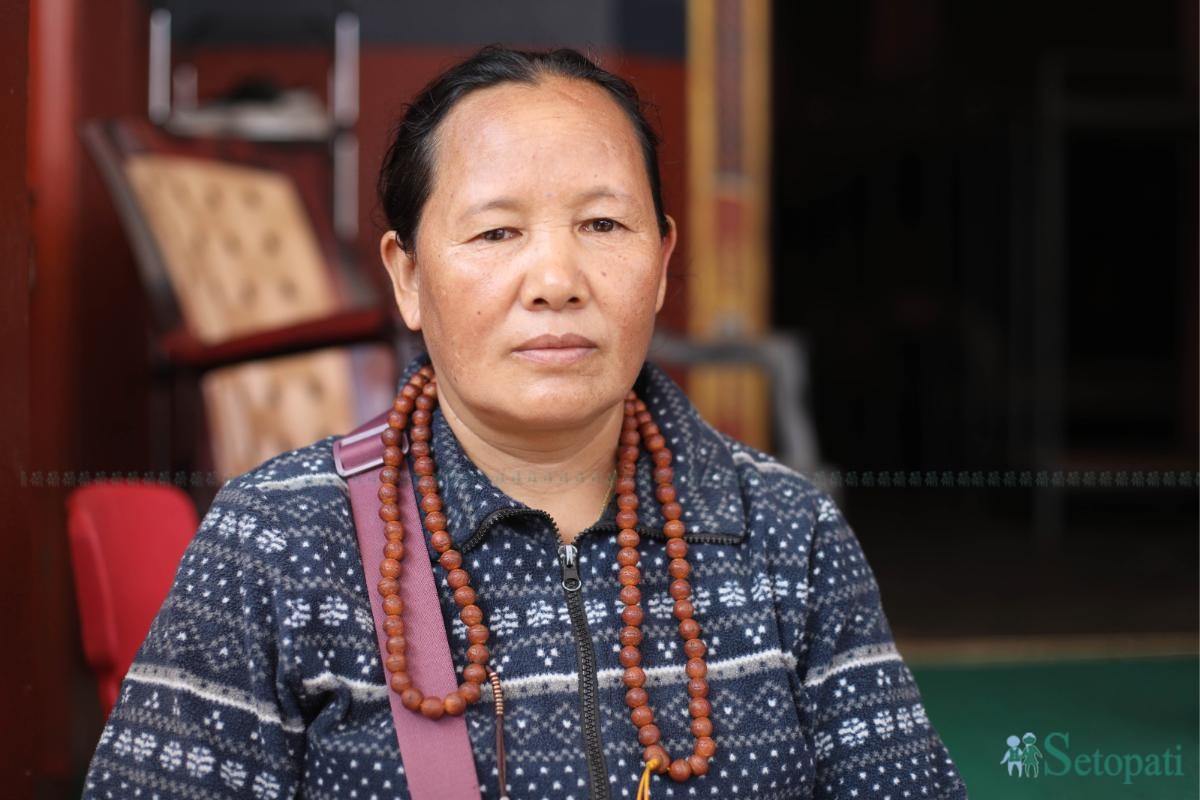 Langrang Tamang
Like her, people displaced by the Bhotekoshi flood have been taking shelter in Kathmandu for the past two months.
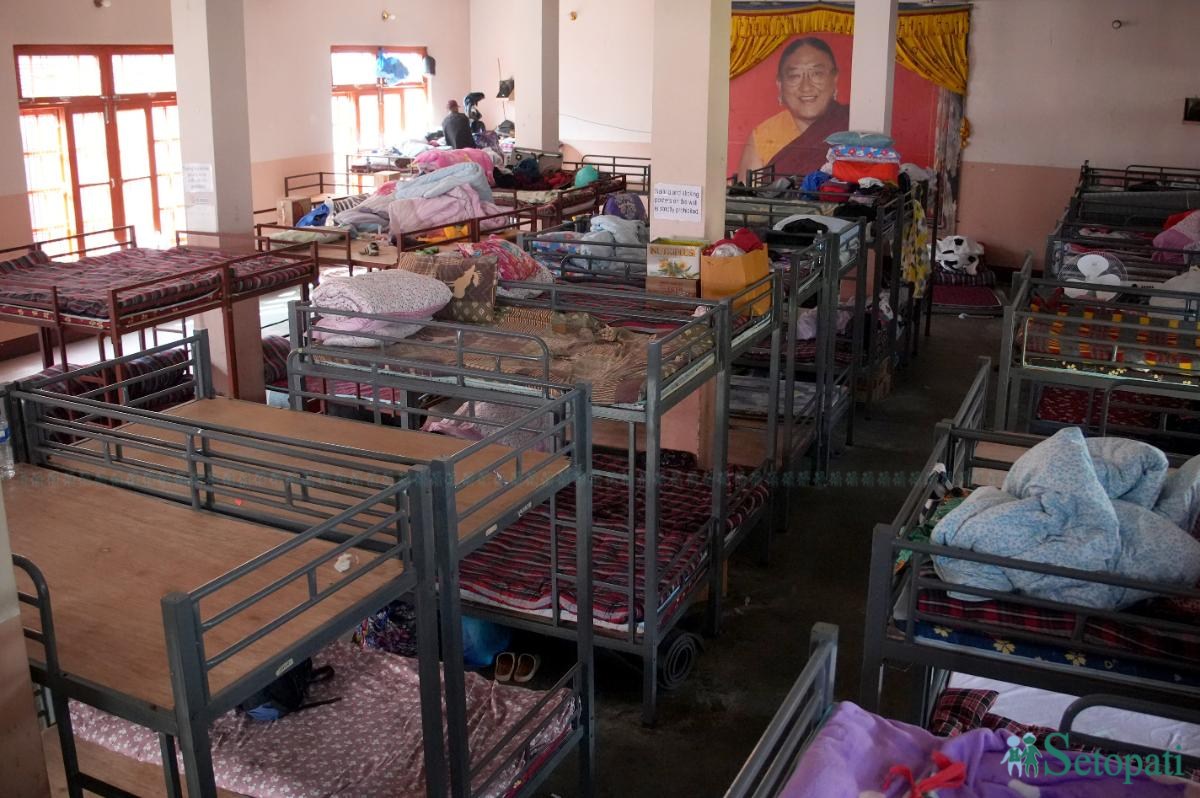
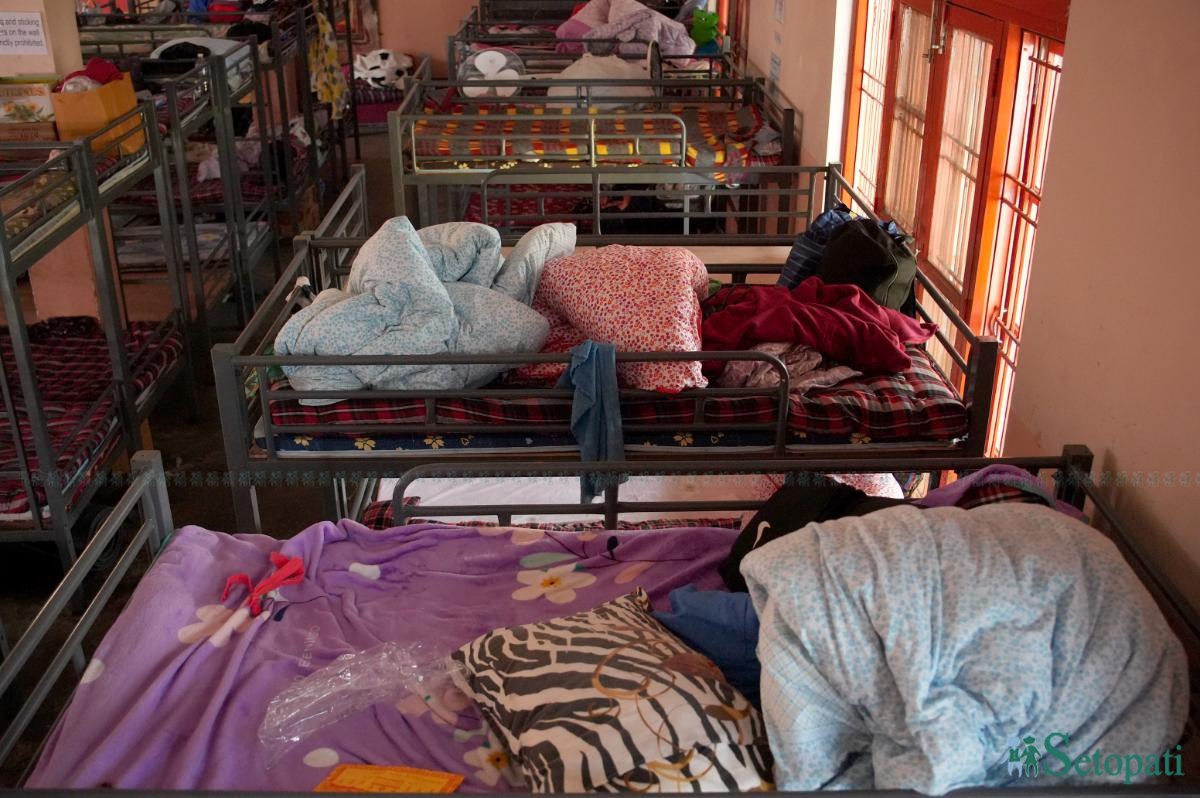
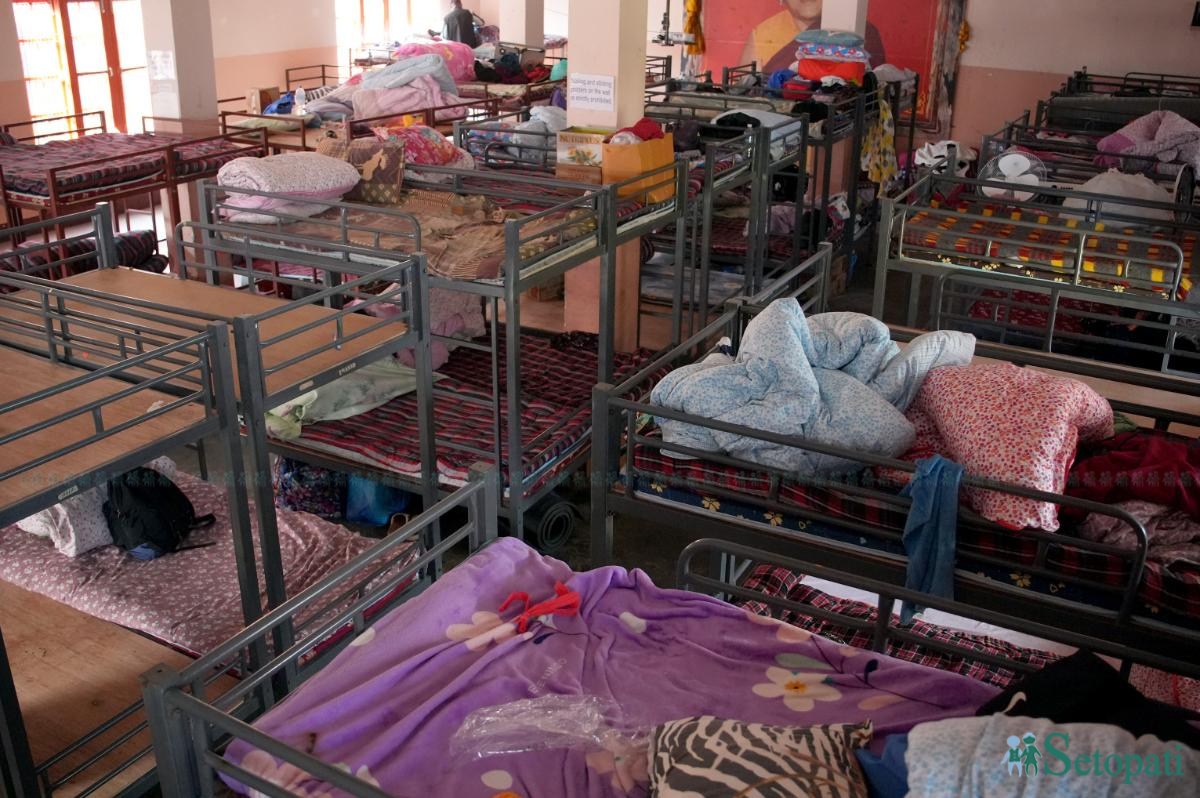
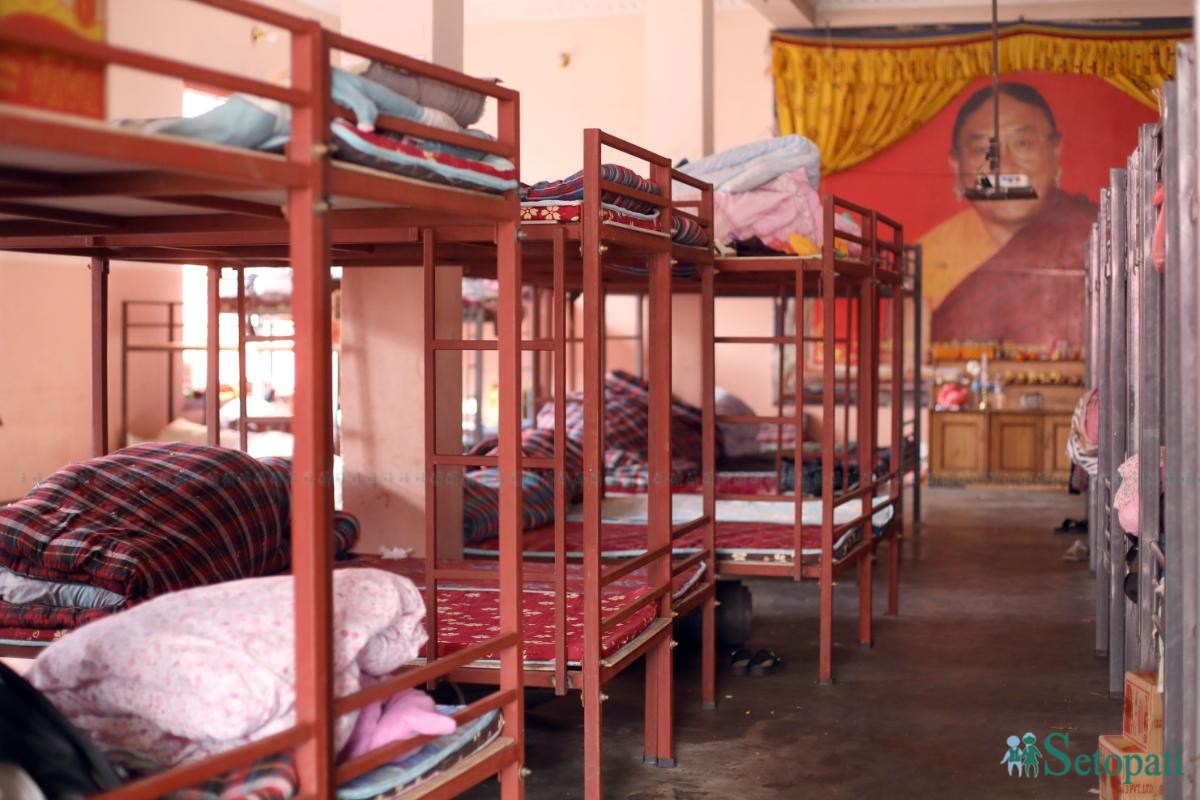
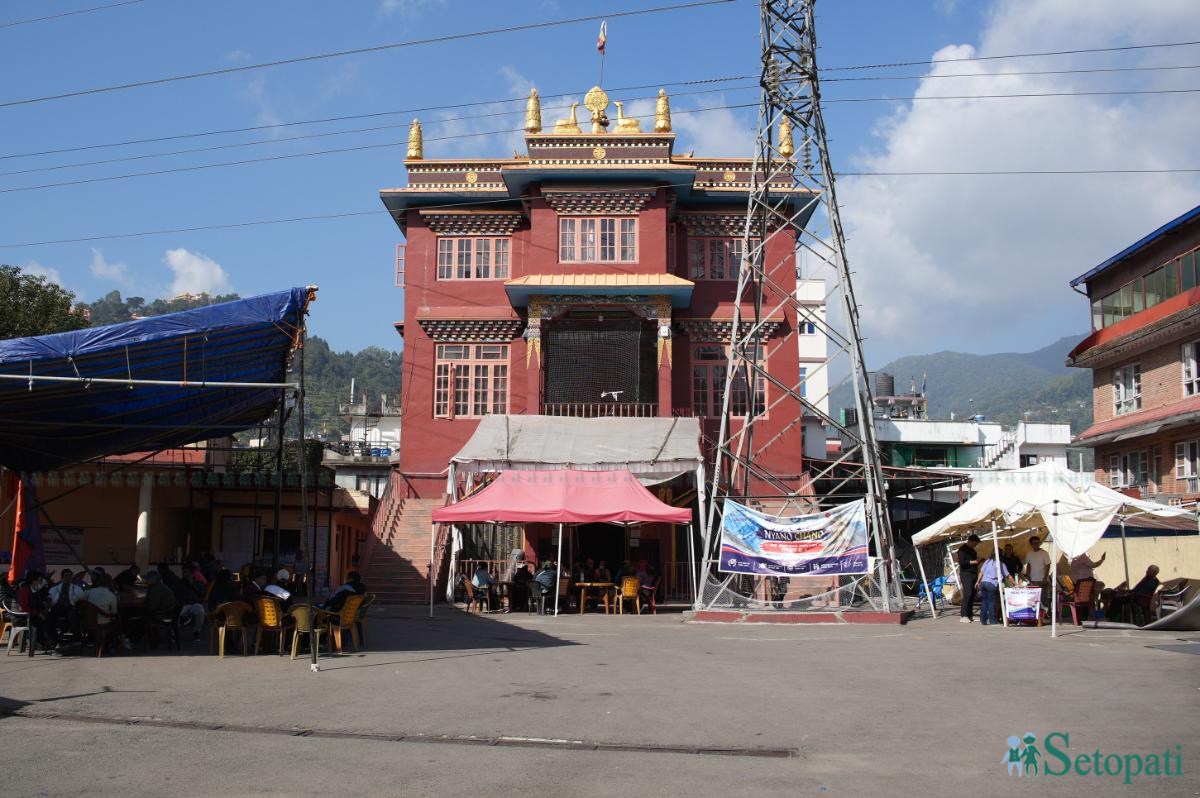
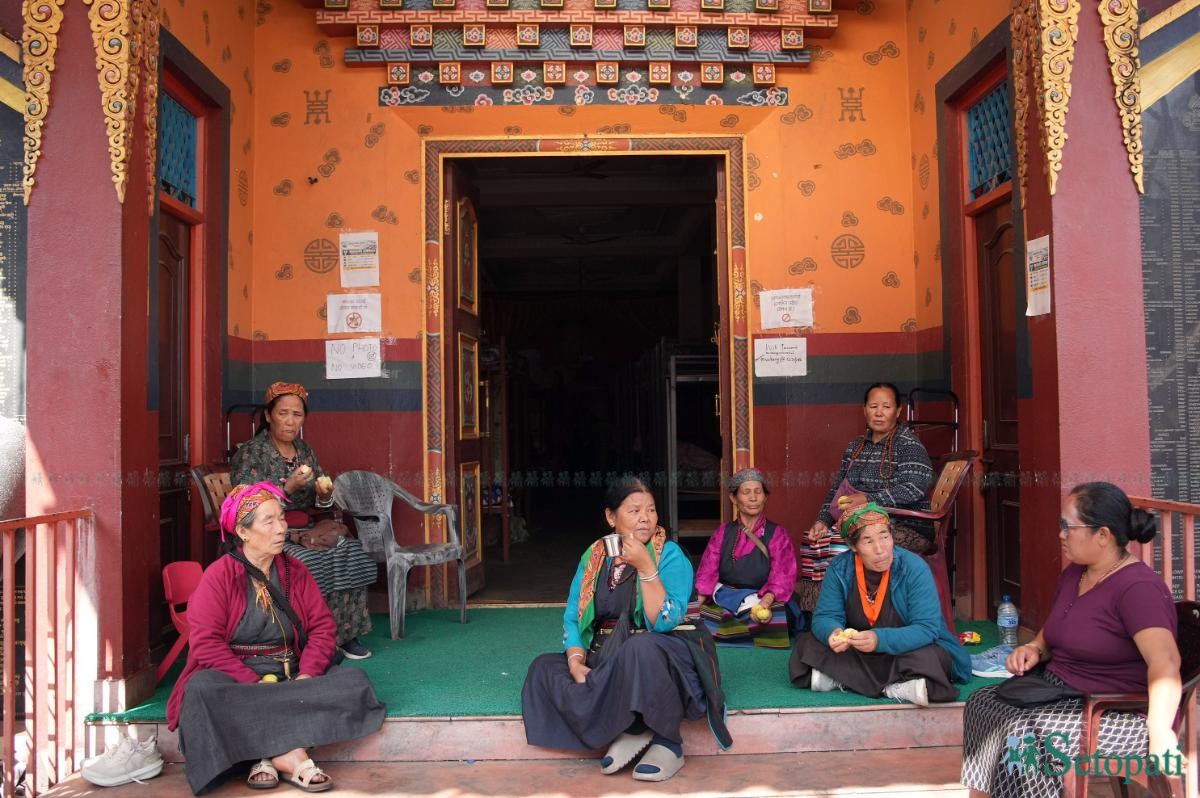
They are temporarily staying at Mustang Monastery in Swayambhu, Kathmandu, and are planning to return to their ancestral village. They say they have decided to go back because the government has yet to come up with a concrete rehabilitation plan.
Kami Nurbu Tamang, a resident of Timure in Ward No. 2 of Gosainkunda Rural Municipality, Rasuwa, complained that the government had neither informed them about any permanent resettlement arrangements nor been able to show its presence.
Saying that staying at the holding center indefinitely was not feasible, he said that they would return to Timure after Tihar.
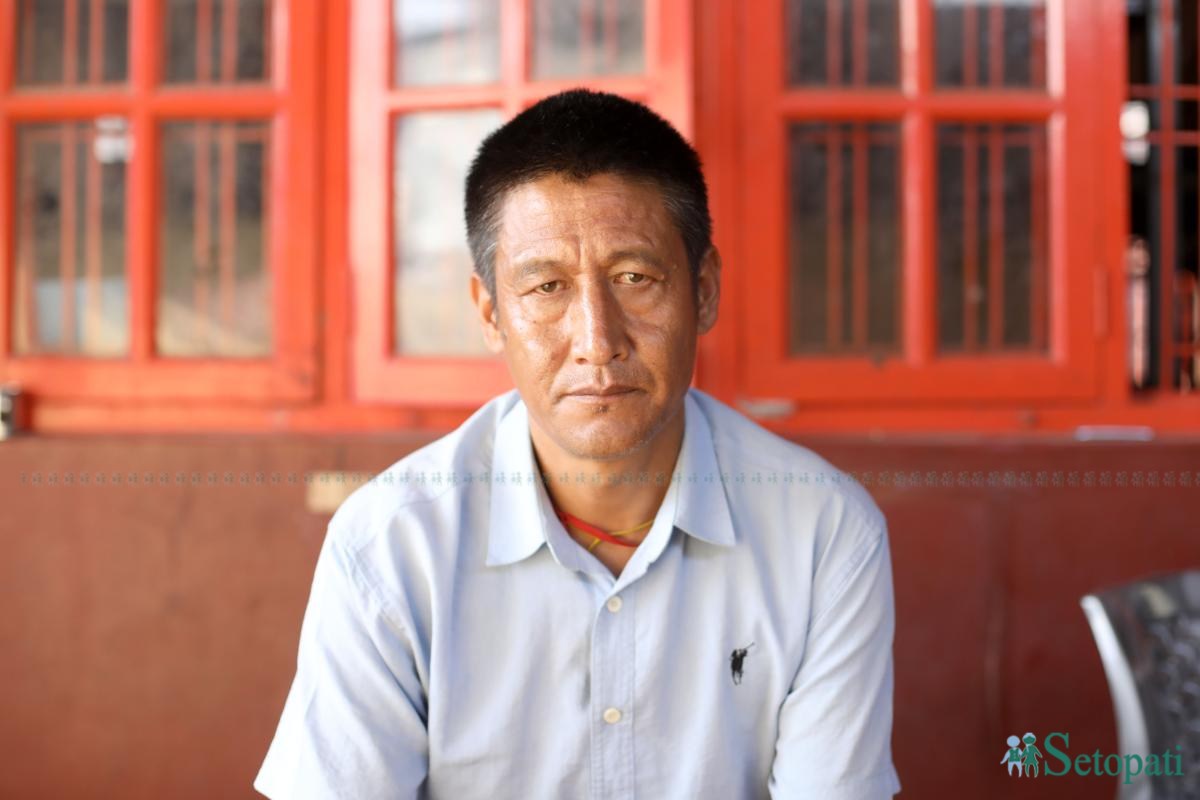 Kami Nurbu Tamang
“We cannot stay here forever. We are ready to return to our homeland. We have to go back to the land where we were born and preserve our traditions and customs. The Rasuwagadhi border crossing must be rebuilt as soon as possible. That is one of the reasons we want to return,” he said.
He said that they were planning to establish settlements on the hillside above Timure. He urged the government to provide food supplies and temporary shelters to facilitate their resettlement. He also suggested that the government use the funds received as post-flood relief to support the affected families.
He said that staying at the monastery in Kathmandu had been difficult because the social environment, culture, and food habits were different from those in their home community.
According to him, only around 20 to 25 percent of Timure's residents survived the floods.
“Our guardian is the government. We are not refugees from India or China. The Rasuwagadhi border crossing has been operational since the Lichchhavi period. Our ancestors served as guardians of this border,” he said.
Tamang also expressed concern about the future of children who had lost their parents.
“Government, please come among us and help heal our wounds. Children are the future pillars of the nation. Let us invest in their development. They could contribute to the country in the future. Attention must be given to their health and education,” he urged.
He warned that they would be forced to take to the streets if the government failed to address the problems faced by flood victims.
The flood survivors rescued from Timure were initially accommodated at Yellow Monastery for 10 days. They were subsequently sent to Mustang Monastery.
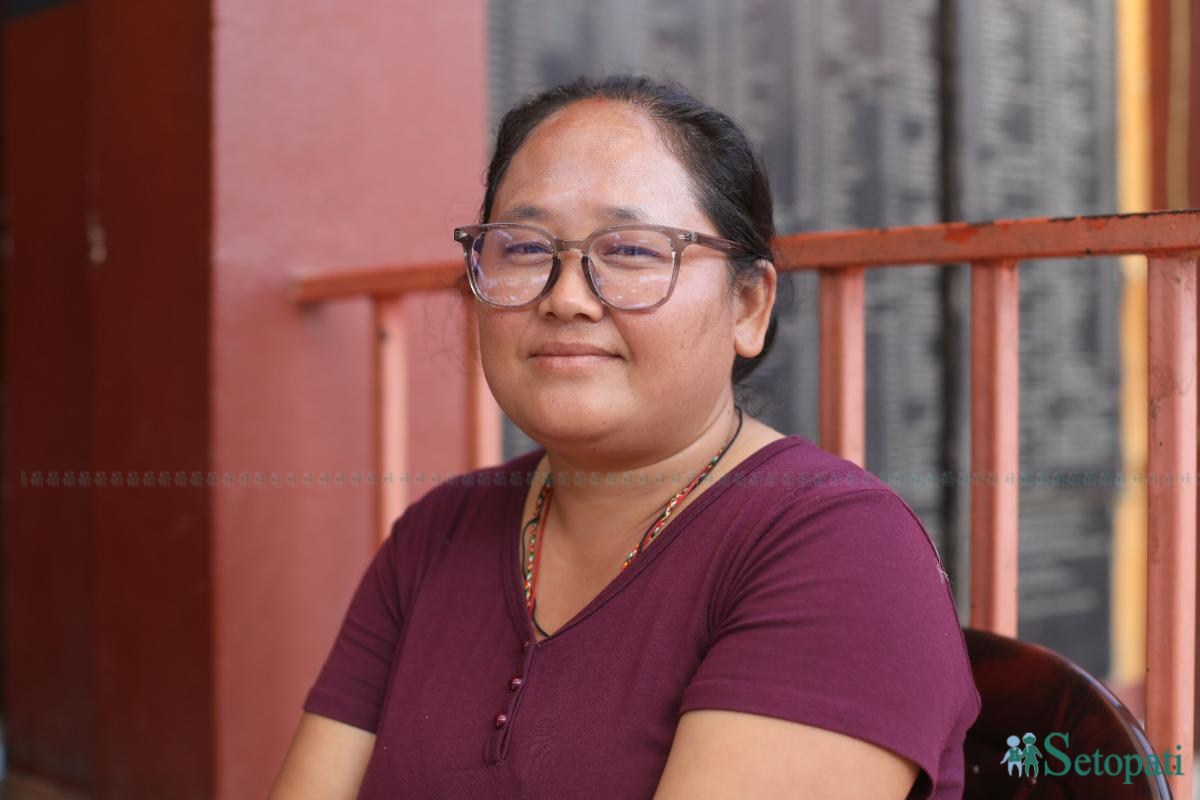 Pasang Tamang
Another survivor, Pasang Tamang, said that their biggest concern was the lack of proper accommodation. She urged the government to make arrangements for all Timure residents to return to their village.
“The government and the world have seen our suffering. Our biggest problem right now is finding a place to live,” she said. “We want to return to our own village. Roads need to be built to make that possible. Until that happens, it would be a great help if the government could arrange accommodation for everyone in one place.”
The survivors still shudder when they recall August 26, the day the disaster struck. When the floods hit Timure, they escaped by climbing to higher ground.
The day after the flood, they were rescued and taken to Dhunche. From there, they were transported to Kathmandu by road.
The government decided to provide flood victims with a monthly allowance of Rs 15,000 for temporary accommodation. However, the survivors say the amount is insufficient to cover their living expenses in Kathmandu.
Pemba Jangmu Ghale, another flood survivor, said that renting a flat for a family in Kathmandu costs around Rs 20,000 to Rs 25,000 a month, making the government allowance inadequate.
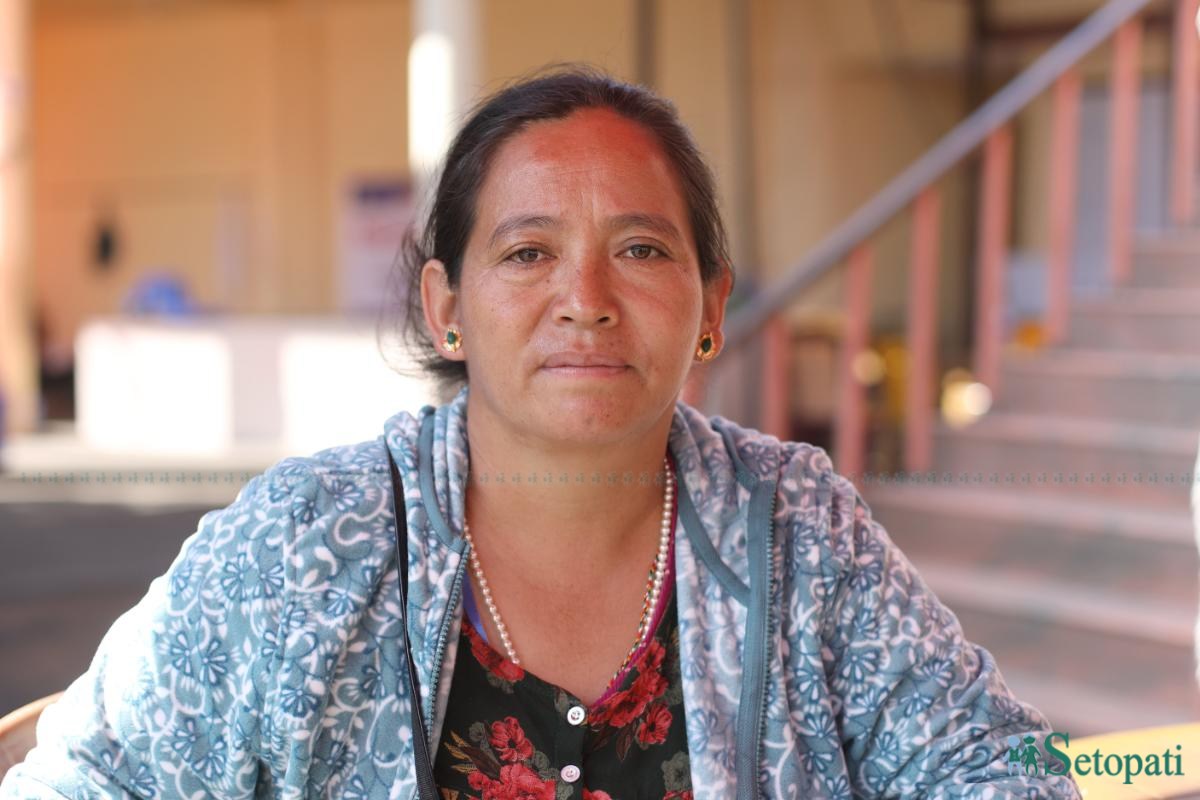 Pemba Jangmu Ghale
“Those who had some money have already left. We have nothing; we are victims. None of our children are working abroad. The children we have are still studying. With Rs 15,000, should we pay the house rent, buy groceries, or cover education expenses?” she asked.
She said that returning to their village would be easier if the government created the necessary conditions for them to do so, rather than simply providing money.
“We will return to our village even if we have to grind maize and rice ourselves to survive,” she said.
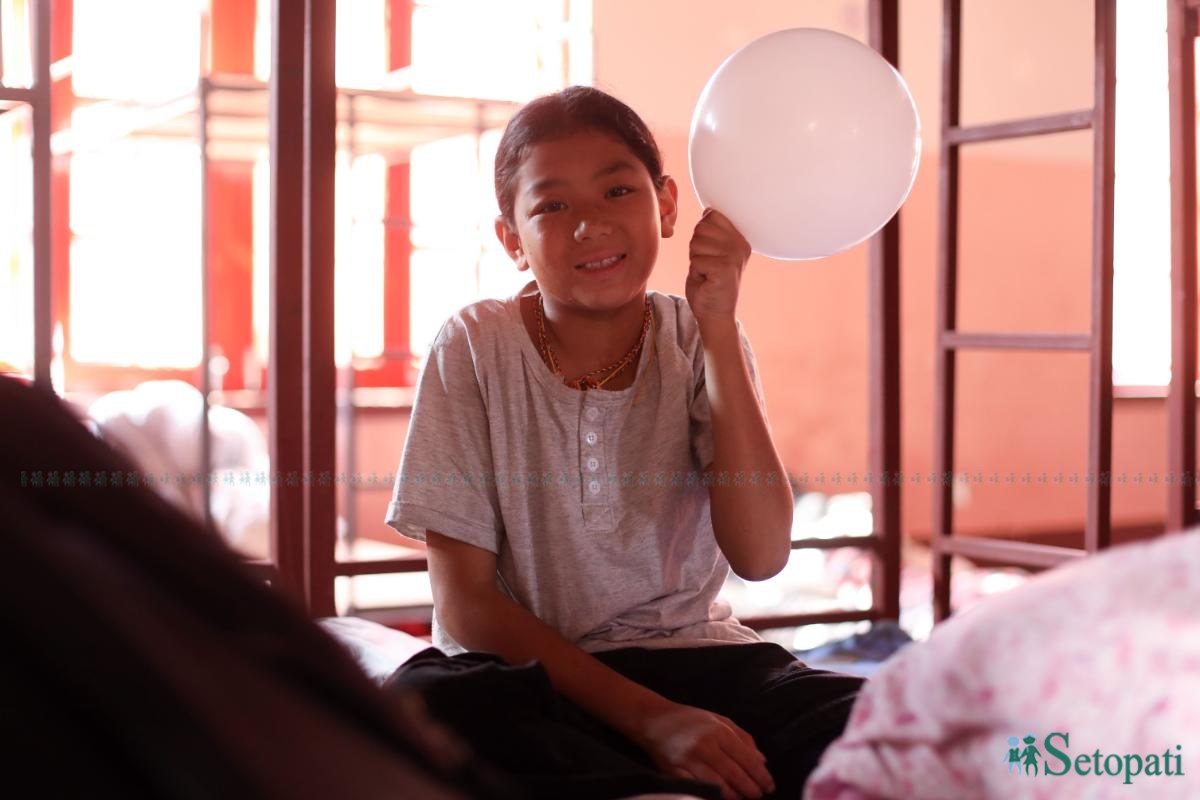
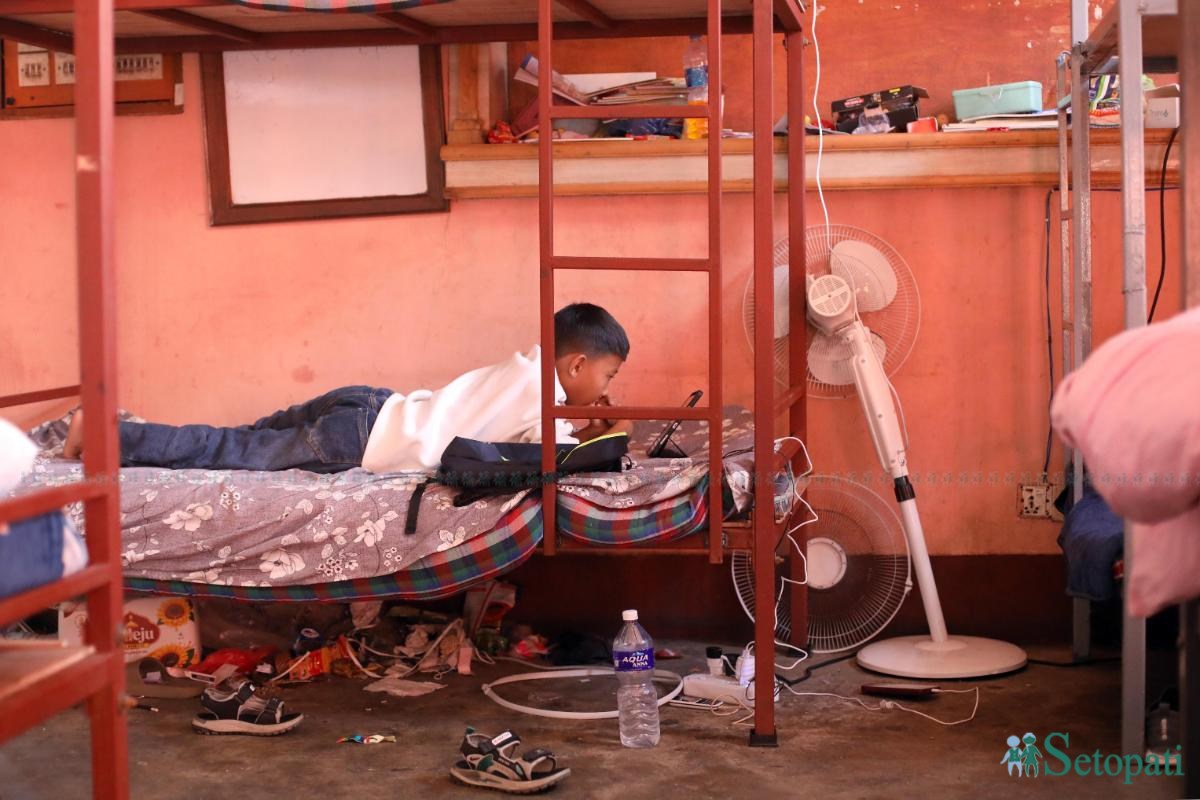
A total of 411 people, including 207 men and 204 women, are currently taking shelter at Mustang Monastery. Of them, 171 are children and 80 are elderly people.